Tokyo's most overlooked winter option isn't the city's illuminations — it's the six completely different winter scenes you can reach in a single day trip from Tokyo: Nikko's snow-dusted waterfall, Chichibu's rare natural ice pillars, GALA Yuzawa's shinkansen-direct ski slopes, Hakone's Fuji-view hot springs, Kawagoe's clear winter streets, and Kamakura's crisp coastline. Travel times run anywhere from 30 minutes to two hours, and the common mistake is assuming a tight schedule rules out anything beyond the city — in reality, Hakone, Kawagoe, and Kamakura all work as same-day trips without eating into the next day's plans. This guide lays out each destination's transit method, winter highlight, who it suits, and roughly what it costs, so you can pick based on your own travel style instead of copying someone else's itinerary.
- Transit times vary widely across the six: Kawagoe is closest (about 30-45 min), then Kamakura (about 1 hr), Chichibu (about 80 min), GALA Yuzawa (about 75 min), Hakone (about 85 min), and Nikko is furthest (about 2 hrs)
- Chichibu's ice pillars are the most distinctive, least-visited option — in 2026 they ran from early January to 23 February; 2027 dates haven't been announced yet, and Ashigakubo is the only one whose illumination works by train
- GALA Yuzawa is the only one where you can actually ski same-day — beginner-friendly, with the lift station built right onto the train station, no separate shuttle needed
- Kawagoe and Kamakura are the easiest with kids or elders — flat routes, short transit, no cable-car or mountain-road transfers
Table of Contents (click to expand)
- Six destinations at a glance
- Nikko: a snowy waterfall and Oku-Nikko's hot springs
- Chichibu: a natural spectacle in ice
- GALA Yuzawa: skiing straight off the shinkansen
- Hakone: hot springs with a view of snow-capped Fuji
- Kawagoe: clear winter skies over the old town
- Kamakura: a crisp winter coastline
- How to choose, by travel style
- Getting there and what to prep
- FAQ
Six destinations at a glance
Tokyo has more winter day-trip options than most visitors realize, but the six below cover genuinely different ground rather than repeating the same scenery. Here's the overview before the destination-by-destination detail:
| Destination | Transit time from Tokyo | Winter highlight | Who it suits | Cost |
|---|---|---|---|---|
| Nikko | About 2 hrs (Tobu limited express, or JR shinkansen + local line) | Kegon Falls in winter, Lake Chuzenji, Oku-Nikko's Yumoto Onsen | Those who want both a snowy waterfall and a hot spring | Transit fares plus individual site admission |
| Chichibu | About 80 min (Seibu Ikebukuro Line, Laview limited express) | Ashigakubo, Misotsuchi, and Onouchi ice pillars, evening illumination | Travelers chasing a rare natural sight, comfortable with fewer crowds | Entry fee at all three sites, day and evening |
| GALA Yuzawa | About 75 min (Joetsu Shinkansen, direct) | Ski resort built onto the station, same-day skiing | Beginners or families wanting to ski in a single day | Lift ticket plus gear rental, separate |
| Hakone | About 85 min (Odakyu Romancecar) | Snow-capped Mt. Fuji over Lake Ashi, Owakudani, hot springs | Those wanting an easy onsen day with a view, no skiing required | Hakone Free Pass and similar transit tickets, separate |
| Kawagoe | About 30-45 min (Tobu Tojo Line or Seibu Shinjuku Line) | Clear winter skies over the Kurazukuri warehouse street, lighter crowds than summer | A relaxed half-day, easiest with kids or elders | Free to walk; individual site admission separate |
| Kamakura | About 1 hr (JR Yokosuka Line, direct) | High odds of clear skies, Enoshima's coastline, the Great Buddha | Those wanting a clear winter coast, avoiding summer crowds | Free to walk; Great Buddha admission and similar, separate |
One detail worth flagging upfront: Kawagoe and Kamakura carry the lightest transit burden of the six and slot easily into a half-day-to-full-day plan without much advance planning; Nikko, Hakone, GALA Yuzawa, and Chichibu all involve a limited express or shinkansen, so it's worth checking timetables and the last return train ahead of time rather than scrambling for a seat.
Nikko: a snowy waterfall and Oku-Nikko's hot springs
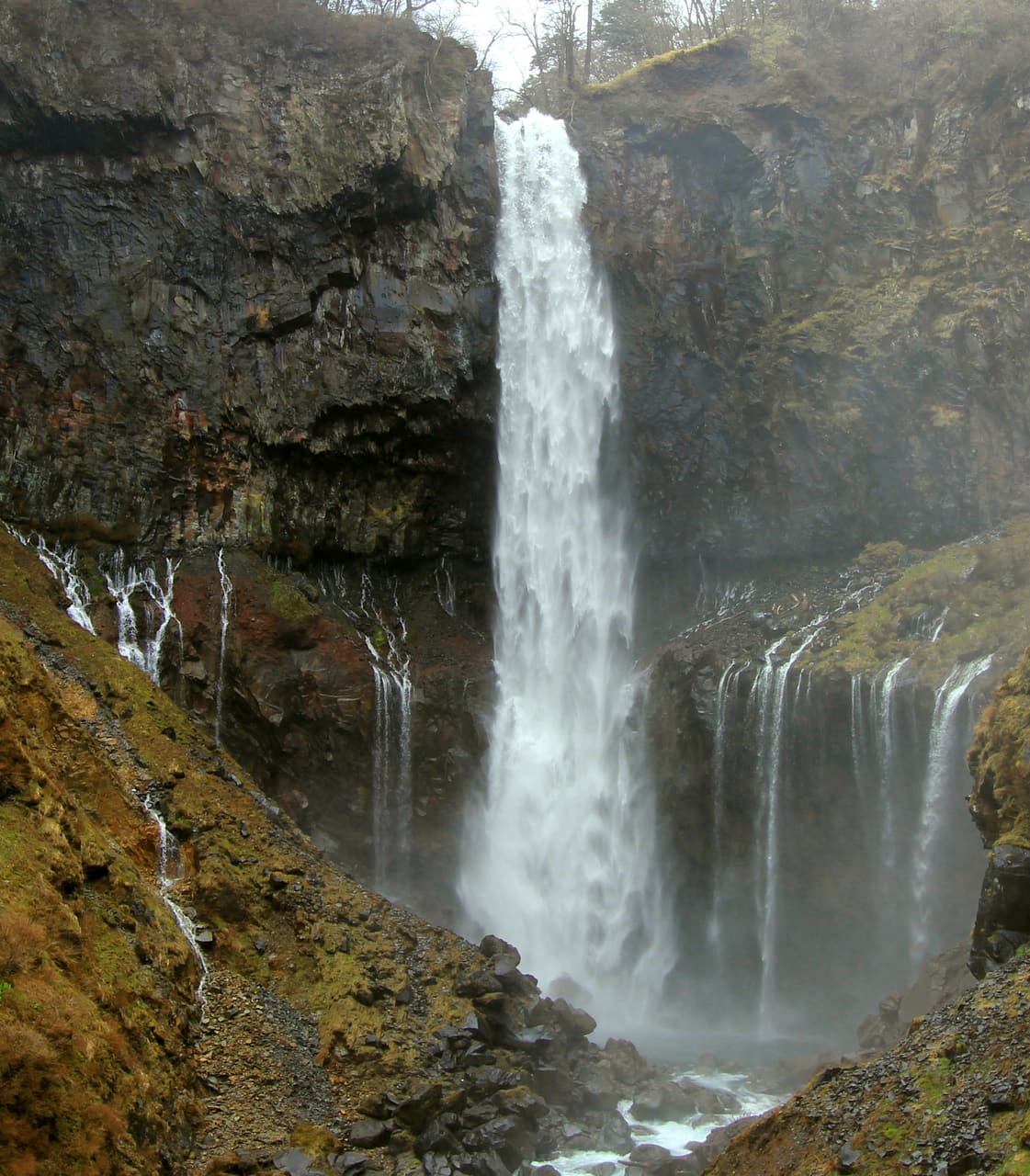
Nikko is the only destination on this list that pairs a snowy waterfall with a genuine hot spring soak in the same trip. From Asakusa Station, the Tobu Nikko Line's "Kegon" limited express runs direct to Tobu-Nikko Station, or from Tokyo Station you can take the Tohoku Shinkansen to Utsunomiya and transfer to the JR Nikko Line — both routes run about 2 hours. From the station, reaching Lake Chuzenji or Kegon Falls means another bus ride up the Irohazaka mountain road (the famous stretch with 48 hairpin turns), adding roughly 40-50 minutes depending on traffic; going further to Oku-Nikko's Yumoto Onsen stretches the bus ride out even more.
Winter Nikko looks nothing like its autumn-foliage self — Kegon Falls carries noticeably less water in winter than in autumn, and cold enough temperatures leave icicles forming along the rock edges of the falls. Lake Chuzenji's shoreline under snow is a completely different scene from its maple-red autumn look. Oku-Nikko's Yumoto Onsen area usually sees consistent snowfall, and nearby Nikko Yumoto Ski Resort is small but family-friendly, letting you combine a hot spring with a beginner ski run in the same day. This route suits travelers who aren't in a rush and are willing to spend the extra travel time for a complete snow-plus-onsen experience; if you only want a relaxed half-day round trip, Nikko isn't the most convenient pick. Autumn logistics for Lake Chuzenji and Irohazaka are covered in our Nikko autumn foliage guide — the transit logic carries over directly to winter.
Chichibu: a natural spectacle in ice
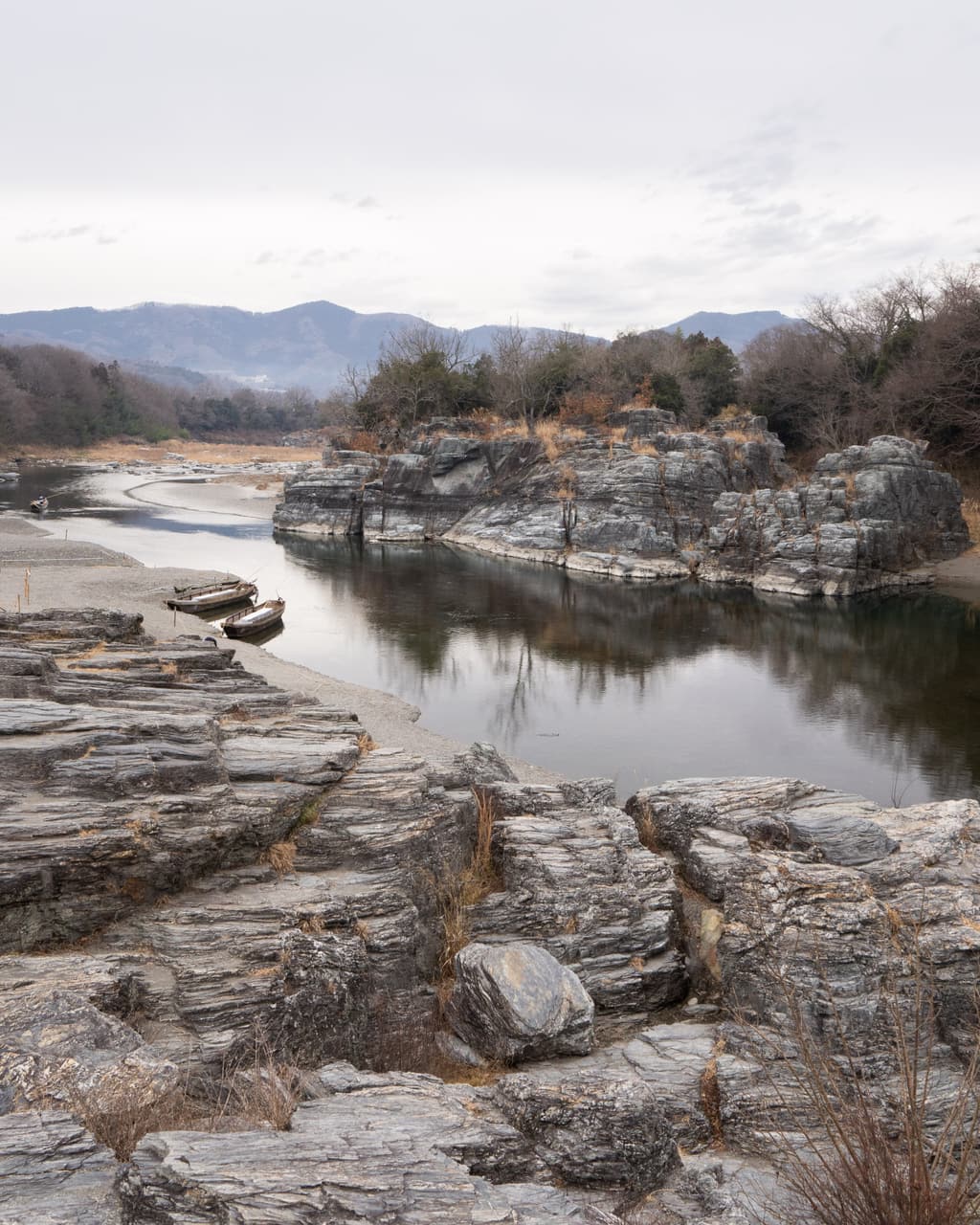
Chichibu is the least famous, most visually unusual of the six — this is home to Saitama's "three great ice pillars": Ashigakubo, Misotsuchi, and Onouchi Gorge. They are not all made the same way: Misotsuchi has a natural section, formed by spring water seeping out of the rock face, plus a man-made section upstream fed by piped water; Onouchi is man-made, with water piped from the stream, and viewed from a suspension bridge; Ashigakubo is man-made too, sprayed across a hillside, and the largest of the three. Either way, it is a completely different kind of winter scene from a snowy landscape. From Ikebukuro Station, the Seibu Ikebukuro Line's "Laview" limited express runs direct to Seibu-Chichibu Station in about 80 minutes, putting it roughly in the middle of the pack for transit time. The three sites are on different routes: Ashigakubo is a 10-minute walk from Ashigakubo Station on the Seibu Chichibu Line; Misotsuchi is about 43 minutes by Seibu Kanko Bus (the Mitsumine Shrine line) from Seibu-Chichibu Station; Onouchi takes two buses with a change at Ogano Town Hall, then a 20-minute walk.
In the 2026 season the three sites opened between 4 and 9 January and all closed on 23 February. All three charge by day as well as in the evening: Misotsuchi ¥300, Ashigakubo ¥600 (¥800 at the gate for weekend and holiday illumination sessions), and Onouchi ¥500 as a maintenance contribution — rates for junior-high age and up, paid on site. Illumination is not weekend-only: Misotsuchi was lit every evening from 17:00, Ashigakubo from Thursday to Sunday and on holidays, Onouchi on weekends and holidays only. The 2027 dates, illumination days and fees had not been announced as of October 2026; the 2026 details came out between mid-November and late December. If you are not driving, Ashigakubo is the only one where you can stay for the lights: the last bus back from Misotsuchi leaves at 16:59, one minute before the illumination starts, and Onouchi's last holiday bus leaves at 17:27 from a stop 20 minutes' walk from the site. Chichibu suits travelers who've already done the mainstream snow destinations and want something different, with fewer crowds; if you're chasing your first "wow, real Japanese snow" moment, Chichibu's ice pillars may not carry the same visual punch as Nikko's falls or Hakone's Fuji view.
If you want Misotsuchi's illumination without a car, a coach tour from Shinjuku is the practical way. Both platforms below sell the same route: Chichibu Shrine, the Chichibu Nishiki sake brewery, then the Misotsuchi ice pillars, meeting in Shinjuku at 11:30 and back there around 21:30. Check two things before booking: the itinerary puts you at Misotsuchi at 16:30 for a two-hour stop — the 2026 illumination began at 17:00 — but the listing does not guarantee the lights or the state of the ice; and departure dates are set by the operator, so once the 2027 season is announced, check that your date falls inside it. The tour needs at least 5 people to run, and in a blizzard the go/no-go call is made at 18:00 the day before.
| Platform | Options | Worth knowing |
|---|---|---|
| KKday Chichibu Shrine + Misotsuchi day tour | Three: large group (1–42), small group (1–20), 5–8 people | Free cancellation up to 3 days before departure, 50% charge at 1–2 days |
| Klook Chichibu Shrine & Misotsuchi day tour | Small group (1–20), listed with sake tasting | English- and Japanese-speaking guide; free cancellation up to 24 hours before |
GALA Yuzawa: skiing straight off the shinkansen
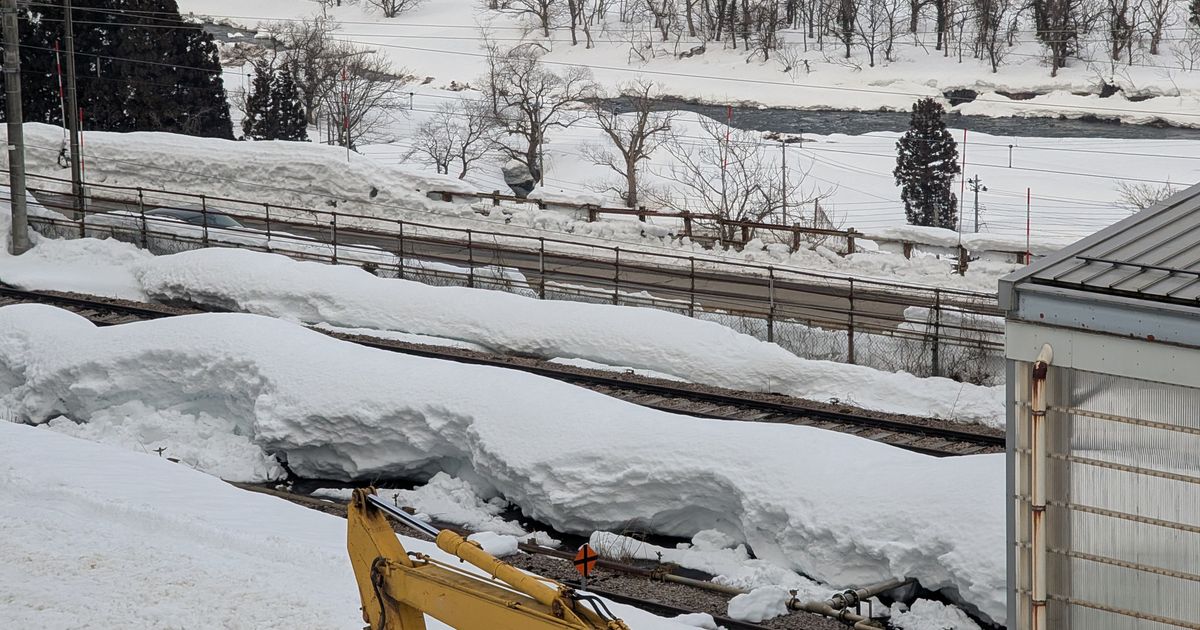
If your goal is simple — one day, and you want to ski — GALA Yuzawa is the only destination on this list built for exactly that. From Tokyo Station, the Joetsu Shinkansen's "Tanigawa" service runs some departures direct to GALA Yuzawa Station, as fast as 71 minutes, with most direct services taking 71 to 83 on last season's timetable, with no separate shuttle bus needed like most Japanese ski resorts require — walk out through the ticket gates and changing rooms, rental counters, and lift-ticket sales are all in the same building, with an 8-person gondola lifting you to the central ski area in minutes. This "station is the resort" setup is rare among Japanese ski areas and is exactly why it works so well for beginners and families.
One thing to watch: not every Tanigawa departure runs to GALA Yuzawa Station — it's a seasonal, winter-only stop, so confirm the train's listed terminus is "Gala-Yuzawa," not "Echigo-Yuzawa," before booking. If you end up on a train that only reaches Echigo-Yuzawa Station, a free shuttle bus connects to the resort from there. GALA Yuzawa's runs are modest in scale with a high proportion of gentle slopes, making it ideal for first-timers who just want a taste of the resort atmosphere in one day; if you're after Niseko-level consistent powder or terrain that actually challenges you, GALA Yuzawa will feel too small. Full details on the resort's scale, lift layout, and season verification are in our GALA Yuzawa ski guide.
Hakone: hot springs with a view of snow-capped Fuji
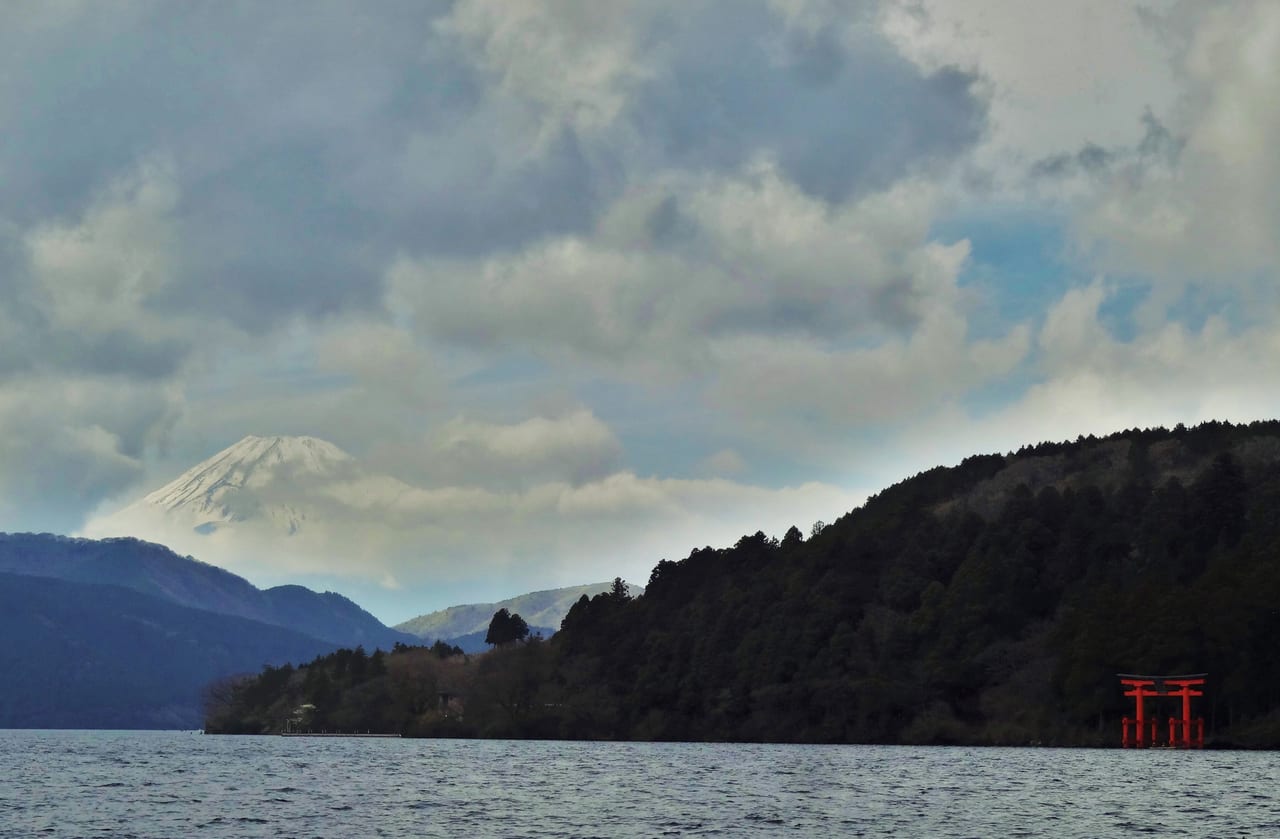
Hakone is the most balanced option on this list — no skiing, no mountain hiking required, just a snow view and a hot spring soak in the same trip. From Shinjuku Station, the Odakyu Romancecar limited express (services like "Hakone" or "Super Hakone") runs direct to Hakone-Yumoto Station in about 85 minutes, one of the longer rides on this list, but with the richest scenery along the way. From Hakone-Yumoto, the Hakone Tozan Railway and ropeway link onward to Owakudani, Lake Ashi, and other spots, with the whole area's transit network tied together by a regional pass.
Winter's biggest advantage in Hakone is lower humidity and often better visibility than summer — a boat ride on Lake Ashi with Mt. Fuji in view, or a look at the snow-capped peak from Owakudani, both come off successfully more often than in other seasons. This is a detail plenty of visitors miss, assuming Fuji only looks its best against autumn's maple colors, when a clear winter day actually delivers a purer, whiter Fuji silhouette. Hakone overall suits travelers who want an easy onsen day with a great view and nothing too physically demanding; if you're set on skiing or a rarer natural spectacle like the ice pillars, Hakone isn't the best fit. Full pricing on the Hakone Free Pass, the Owakudani black eggs, and the Lake Ashi pirate ship, plus route planning, are in our Hakone travel guide.
Kawagoe: clear winter skies over the old town
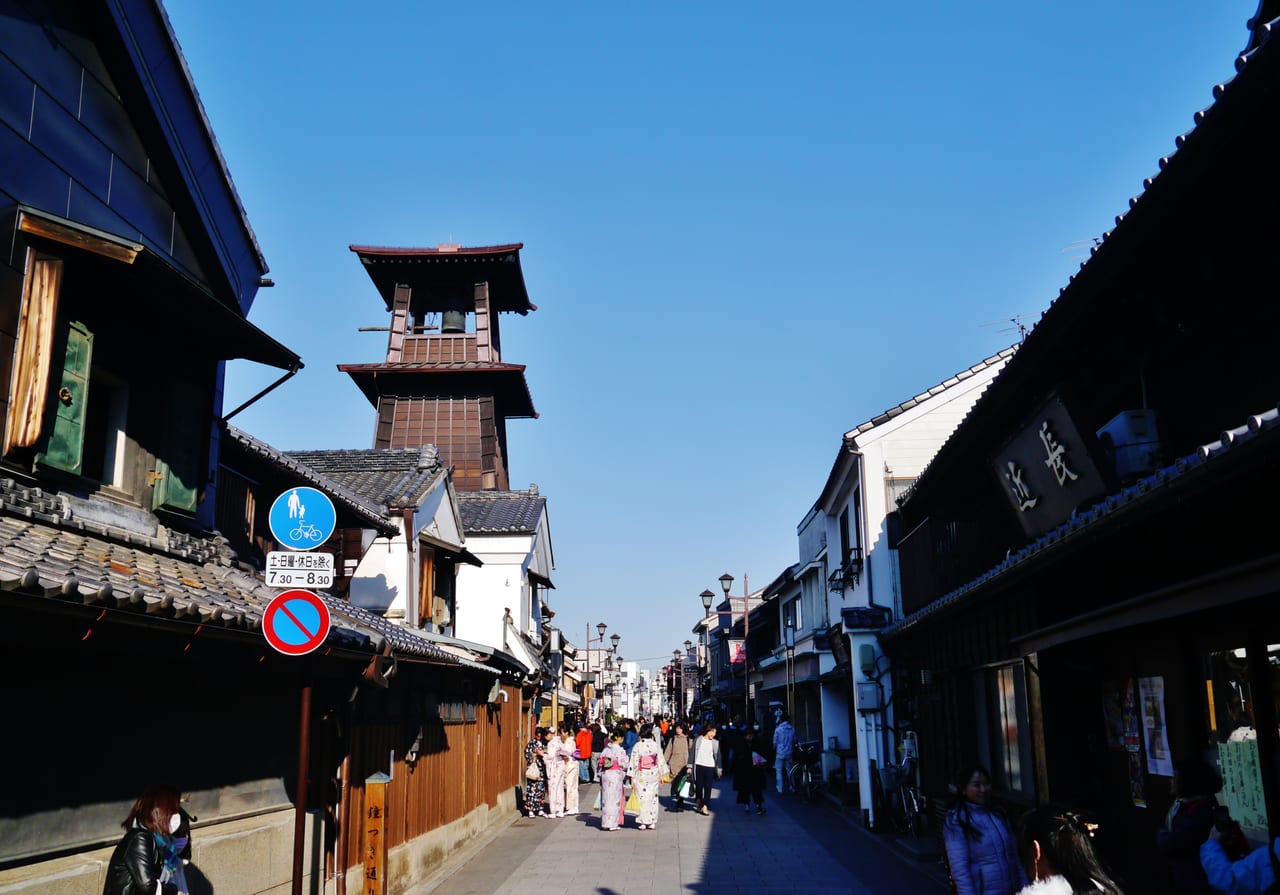
If your Tokyo itinerary is already packed and you just need to carve out half a day of breathing room, Kawagoe is the lowest-effort option on this list. From Ikebukuro Station, the Tobu Tojo Line's rapid service takes about 30 minutes, or the Seibu Shinjuku Line's "Koedo" limited express to Hon-Kawagoe Station takes about 45-50 minutes — neither route requires a transfer, and once you arrive, the Kurazukuri warehouse street's main sights are all walkable. Compared to autumn foliage season or summer festivals, winter Kawagoe is noticeably quieter, so photos don't mean fighting crowds for a spot, and classic activities like strolling the old town, renting a kimono, or grabbing a roasted sweet potato feel a lot more relaxed.
Kawagoe doesn't have a specific winter-only draw the way Nikko or Chichibu do — its edge is purely being easy, close, and simple to plan, which makes it a great fit for traveling with kids or elders, or for anyone whose itinerary is already tight and just wants a half-day escape. Walking the Toki no Kane bell tower, the Kurazukuri street, Kawagoe Hikawa Shrine, and Kashiya Yokocho candy alley typically takes about 3-4 hours total, and the return schedule is flexible — no need to watch the clock for a last train the way Nikko or Hakone require. Full sightseeing order, kimono rental options, and nearby food are covered in our Kawagoe day trip guide.
Kamakura: a crisp winter coastline
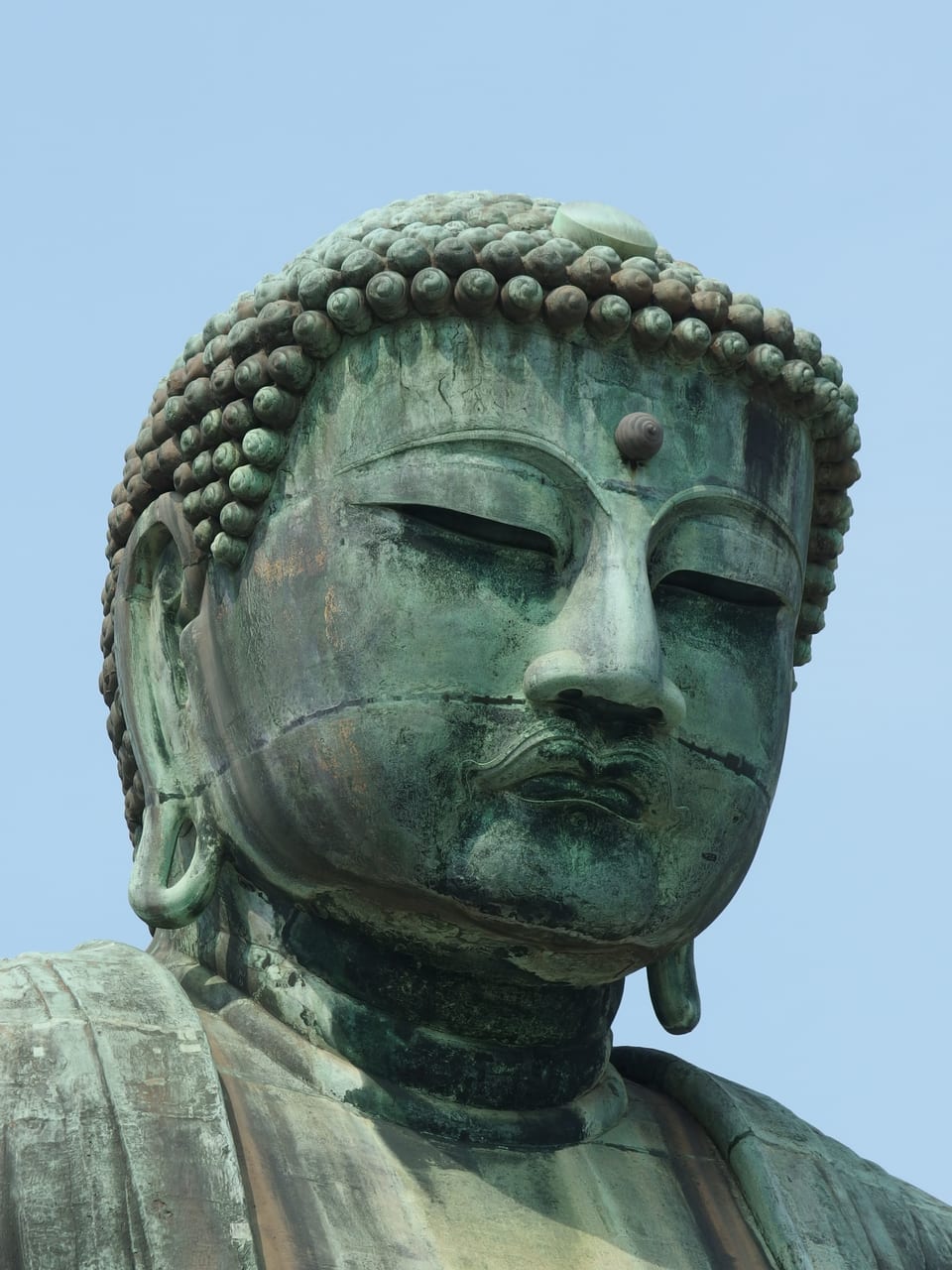
Kamakura is the only destination on this list built around a coastal view. From Tokyo Station, the JR Yokosuka Line runs direct to Kamakura Station in about an hour, no transfer required, making it the second-easiest destination on this list to reach after Kawagoe. Winter in the greater Kanto region tends to run noticeably clearer than the rainy season or typhoon season, so the coastline around Enoshima and Yuigahama often hits its best visibility of the year in winter, with decent odds of catching Mt. Fuji on a clear day too. Classic stops like the Great Buddha, Hase-dera Temple, and the Kamakura Koko-mae railway crossing all see noticeably fewer visitors than during the June hydrangea season or summer beach crowds, making for a more relaxed pace.
Kamakura doesn't have a strong "winter-only" event the way the other five destinations lean on snow or ice — its selling point runs the other way: winter is the best time to avoid crowds and catch the clearest coastal views, a different logic from chasing a limited-season snow scene. It suits travelers who enjoy a relaxed literary-town stroll, coastal views, and temple visits while skipping peak-season crowds; if this trip is specifically about seeing snow or skiing, Kamakura essentially doesn't get snow in winter and sits outside the theme of the other five destinations here — plan that separately. Full Kamakura day-trip routing, Great Buddha logistics, and Enoden transit planning are in our Kamakura day trip guide.
How to choose, by travel style
Now that you've seen the details on all six, here's a quick way to narrow it down by travel style:
- One day only, want "a snowy scene" without wearing yourself out: Nikko or Hakone — both pair snow scenery with a hot spring, the best return for one day's travel time.
- Want to ski in a single day, and you're a beginner: GALA Yuzawa — the lift station is built onto the train station, no separate shuttle or overnight stay needed.
- Already seen the mainstream snow spots, want something unusual: Chichibu's ice pillars — rare, but all three charge by day too, the season dates are announced each year, and only Ashigakubo's illumination works by public transport.
- Itinerary's already packed, just need half a day: Kawagoe — shortest transit time, no last-train pressure.
- Want to avoid peak crowds and see a clear winter coast: Kamakura — winter's clear-sky rate is high, and it's the lowest-crowd-pressure pick of the six.
- Building a Tokyo city itinerary plus one day out of town: if our Tokyo 5-day itinerary is already your base plan, slot Hakone or Nikko into a middle day, then finish that evening at one of Tokyo's illumination venues back in the city — one trip, two completely different scenes.
If you haven't nailed down the transit details toward Mt. Fuji yet, our Tokyo to Mt. Fuji transit guide is worth a look too — Hakone and the Fuji-Kawaguchiko area are often extensions of the same trip.
Getting there and what to prep
Nikko, Chichibu, GALA Yuzawa, and Hakone are all worth booking a limited-express or shinkansen seat for ahead of time, especially reserved seats on popular winter-weekend departures, which can sell out. Kawagoe and Kamakura are far more flexible, thanks to frequent service and no need for a limited-express ticket, so a same-day decision to go works fine. Nikko's Irohazaka road and Hakone's ropeway can both be suspended or switched to bus shuttles when a heavy snow advisory is issued, so checking the Japan Meteorological Agency's snow advisories and the relevant operator's official channels the night before is the safest way to avoid a wasted trip.
On clothing: temperatures around Oku-Nikko, GALA Yuzawa, and the Chichibu mountains all run noticeably colder than central Tokyo, so pack in layers with water-resistant footwear; Hakone, Kawagoe, and Kamakura sit closer to Tokyo's own winter temperatures, where a regular winter coat and scarf are enough — nothing close to snow-boot-level gear needed.
Tokyo Winter Day Trips FAQ
- Q1:I only have one day — which of these six should I pick?
- It depends what image you're chasing. Want a snowy waterfall plus a hot spring soak? Nikko. Want a rare natural spectacle? Chichibu's ice pillars. Only have one day but want to ski? GALA Yuzawa. Want an easy onsen day with Fuji views? Hakone. Want something low-effort for half a day? Kawagoe. Want a clear winter coastline? Kamakura. If this is your first Tokyo winter day trip and you want the best return on the travel time, Hakone or Nikko give you the most for one trip — both combine snow scenery with a hot spring, rather than delivering just one highlight.
- Q2:Do Chichibu's ice pillars charge admission? When do they run?
- Yes — all three charge by day as well as for the evening illumination, paid at the gate. In the 2026 season Ashigakubo, Misotsuchi and Onouchi Gorge opened between 4 and 9 January and all closed on 23 February. Illumination is not weekend-only: Misotsuchi was lit every evening, Ashigakubo from Thursday to Sunday and on holidays, and Onouchi on weekends and holidays only. The 2027 dates, illumination days and fees had not been announced as of October 2026 — check each organiser's page before you go rather than assuming last year's dates repeat.
- Q3:Is GALA Yuzawa suitable for someone who's never skied? Is half a day enough?
- Yes — that's exactly what it's built for. The lift station sits right next to the shinkansen station, with changing rooms, rental counters, and ticket sales all in the same building, so first-timers don't need a separate shuttle to reach the beginner slopes. Half a day (roughly 2.5 hours just in round-trip transit) is tight — budget a full day instead: an early shinkansen out, an evening one back, leaving 5-6 hours for actual skiing and breaks rather than squeezing it into a half-day. For full details on the resort's scale, lifts, and rentals, see our GALA Yuzawa ski guide.
- Q4:Which of these six is least likely to have transit disrupted by snow?
- Kamakura and Kawagoe carry the lowest risk — both sit on the flatlands around Tokyo, so even when it snows in the city, these routes typically see minor train delays at worst, rarely full suspensions. Nikko and Hakone sit in mountainous terrain, where heavy snowfall can genuinely suspend the cable car or bus service (particularly Nikko's Irohazaka mountain road and Hakone's ropeway), so check the region's live weather and transit updates the night before. GALA Yuzawa and parts of the Chichibu mountains can also see shuttle schedules adjusted during heavy snow — build in extra transfer buffer just in case.
- Q5:Do these day trips require advance tickets or reservations?
- Most don't require a mandatory reservation — unreserved seats on shinkansen and limited-express trains are usually available same-day, though reserving a seat ahead is worth it for popular winter-weekend departures, especially toward GALA Yuzawa or Hakone. Chichibu's ice pillar sites are all pay-at-the-gate with no booking needed (Ashigakubo also sells an optional online ticket for its weekend illumination sessions). GALA Yuzawa's lift tickets and gear rentals are handled on-site too — lines just run longer on peak days, so checking that day's operating status online beforehand helps if you're on a tight schedule.
- Q6:Can all six of these be done as a day trip with no overnight stay?
- Yes, all six destinations in this guide are designed around a same-day round trip — even the furthest stretch, out to Nikko's Yumoto Onsen area, is doable in a packed single day, though it runs tight. If you'd rather slow down and soak in a hot spring overnight, Nikko, Hakone, and the area around GALA Yuzawa all have onsen ryokan options, and splitting the trip over two days makes for a much more relaxed pace. Kawagoe, Kamakura, and Chichibu sit close enough to the city that most visitors treat them as a half-day-to-full-day round trip with no real need to stay over.
- Q7:Which destination is easiest with kids or elderly family members?
- Kawagoe and Kamakura are the most stroller- and elder-friendly of the six — both the Kurazukuri warehouse street and the area around the Great Buddha are flat, and the travel time is short (about 30-45 minutes to Kawagoe, about an hour to Kamakura), with no mountain roads or cable-car transfers involved. Nikko and Hakone offer more dramatic scenery, but Oku-Nikko and Owakudani both involve slopes and cable-car connections that make things harder with a stroller or for anyone with limited mobility. GALA Yuzawa and Chichibu's ice pillars depend on whether the family is up for skiing or an evening illumination outing — not necessarily ideal for a purely relaxed stroll.
- Q8:Can these winter day trips be paired with Tokyo's own illuminations on the same trip?
- Yes — a common pattern is spending the day out of town for snow scenery, then returning to the city for the evening lights. For example, spend the day at Hakone taking in snow-capped Mt. Fuji, then ride the Odakyu Romancecar back to Shinjuku in time for the city's illumination season; or spend the day at Nikko seeing Kegon Falls, then walk through Marunouchi's illumination near Tokyo Station that same evening. Tokyo's free illumination venues are covered in our Tokyo winter illuminations guide, which pairs naturally with this one.
- Q9:Could heavy snow close the roads to Nikko or Hakone in winter?
- It's not common, but it does happen, especially during a strong cold snap. Nikko's Irohazaka mountain road (up toward Lake Chuzenji and Yumoto Onsen) and Hakone's ropeway can both be suspended or switched to a bus shuttle when a heavy snow advisory is issued, and this is usually posted on the operator's official site and social channels ahead of time. The practical move: check the Japan Meteorological Agency's snow advisories and the relevant operator's official channels the night before you go, and have a same-day backup plan in the city (Nikko's Toshogu Shrine, or Hakone's onsen town and museums) rather than pushing through a mountain road during a snow warning. Separately, Hakone has two winter days of closures that have nothing to do with weather: 2 and 3 January are the Hakone Ekiden, when Route 1 through the mountains is closed while runners pass, several mountain bus routes are suspended, and Hakone-Yumoto Station may restrict platform entry. That one is scheduled rather than probabilistic — safe travel windows are after 15:00 on the 2nd and after 09:30 on the 3rd. See what closes in Hakone during the Ekiden.
Read next
Hakone Guide 2026: Free Pass, Owakudani & Lake Ashi
About 85 minutes from Shinjuku by Romancecar — the 2026 Hakone Free Pass, Owakudani, Lake Ashi pirate ships, the floating torii, and a two-day onsen loop.
GALA Yuzawa 2027: Tokyo Day-Trip Skiing by Shinkansen
The station is the ski base — 71 min from Tokyo by shinkansen. The easiest day-trip skiing from the city, with timings and add-ons.
Nikko Autumn Guide 2026: Lake Chuzenji, Irohazaka, Kegon Falls
Tokyo’s top suburban foliage: Akechidaira’s 4-in-1 composition, Irohazaka jam-avoidance, Tobu Nikko Pass math.