In May 2027 Kansai hosts an international multi-sport games that you personally can enter — 35 sports, 59 events, a target of 50,000 participants, no qualifying standard and no performance threshold. But the date that decides whether you go is not in May. It is March 1, 2027. From that day the organisers refund nothing, and a cancellation caused by epidemic disease is written into the same clause. This guide takes apart every decision you have to finish before then: three different entry deadlines, three different kinds of non-refund, what the fee actually buys, what spectating costs, and why the published dates for the Games cannot contain their own competition schedule.
This guide is about entering. For building the trip around it, see the Osaka and Kyoto five-day itinerary, and for getting around the host cities, the Kyoto transport guide.
- March 1 is the line. After it, withdrawing refunds nothing, and cancellation by disaster or disease refunds nothing either way.
- Three deadlines, not one: February 28, 2027 in general, January 31 for overseas shooters, April 10 for orienteering.
- The orienteering deadline is a trap. Attached services still close February 28, so a March entrant cannot buy the 17-day pass.
- Spectating is free and needs no entry, but nothing is guaranteed and no seat product exists.
- The six entitlements are identical in both residence columns. Only 2,500 yen of the gap is ever explained.
- Every binding document is Japanese-only. The site's other languages are machine translation over the same page.
Contents
- When does entry actually close?
- What do you get back if you withdraw?
- What does the entry fee buy?
- Why do overseas residents pay more?
- What does it cost to just watch?
- The Games run May 14 to 30 — is your event inside that?
- Should you buy the 17-day Kansai pass?
- What language are the documents you sign?
- Where did the 2021 edition go?
- What the organisers have not decided yet
- Appendix: official Japanese wording
When does entry actually close?
Three different dates, and the earliest sits two and a half months before the latest.
| Who | Entry closes | Note |
|---|---|---|
| Most events (default) | 2027-02-28 23:59:59 | Set in the participation regulations |
| Shooting (clay, rifle), overseas residents | 2027-01-31 | Marked provisional; a month earlier than the default |
| Orienteering | 2027-04-10 | Entered through the international federation's own site, not the Games system |
The orienteering date looks like a reprieve until you read the rest of the same announcement, where the organisers add that the application deadline for the various services attached to the Games remains February 28, 2027. Put those two sentences together and the conclusion is that anyone entering orienteering in March can no longer buy the 17-day Kansai transport pass. This is the single easiest detail in the whole subject to miss, because it does not live on the entry page — it lives in a news post from July 2026.
Something else will stop you earlier than any deadline. The regulations state that once the quota ceiling is reached, entries cannot be accepted even within the application period, and separately that quotas are set per category within each event, with a lottery possible depending on demand. This is not a precautionary clause. Quotas genuinely filled in May 2026: the organisers published a notice saying capacity had been increased across many events that had been full, that entries were reopening, and that anyone previously unsuccessful should reapply from their personal page. Golf then added two more courses in June to expand its own capacity again.
So treat entry as a two-gate process: confirm your event is still open, then look at the deadline. The organisers have never published a list of which events still have places. The only way to find out is to look inside the entry system yourself.
Three sports had still not opened for entry as of September 7, 2026: weightlifting, where the organisers say entries are planned to open in December 2026, plus artistic swimming and canoe sprint, both described only as under adjustment with no date. If one of those is your sport, come back in December 2026.
What do you get back if you withdraw?
After March 1, nothing — and there are three separate ways to end up with nothing.
| Situation | What the rules say |
|---|---|
| You withdraw on or before 2027-02-28 | Refund of the amount less fees |
| You withdraw from 2027-03-01 | No refund at all, even having completed the procedure |
| Cancellation by disaster, terrorism or epidemic disease | No refund and no compensation of any kind |
| Organisers cancel, kit not yet issued | Full refund |
| Organisers cancel, kit already issued | Competitors get only the difference between the competitor and non-competitor fees; team officials and supporters get nothing, transport pass included |
| Only your own event is cancelled or rescheduled | No refund — except that a competitor's surcharge for events beyond the fifth is refunded for the cancelled ones |
Fees come in two kinds: 1,500 yen per transport pass, and 10 percent of the refundable amount for everything else. Run that rule forward and an overseas competitor cancelling before February 28 recovers 30,600 yen of 34,000 yen, losing 3,400 yen. That figure is calculated from the 10 percent rule; the organisers do not print it anywhere. It is here so you know roughly what withdrawing in time actually costs.
The worst cell deserves its own look. An overseas supporter pays 20,000 yen plus 13,500 yen for the transport pass. If the organisers cancel the Games after the participant kit has been issued, that 33,500 yen is gone entirely. The organisers also do not say whether the difference-refund in that scenario has the 10 percent fee deducted on top, so this guide does not do that arithmetic for them.
One more clause sits deeper in the regulations and bears directly on whether your category happens at all. Where there is an operational need or reasonable cause, the organisers may change schedules and venues and may withdraw, merge or rearrange events and categories — the example they give themselves is a category with too few entrants to run. And they accept no responsibility for any resulting loss, travel and accommodation costs explicitly included. Your bracket may simply not happen, and the flights are on you.
The terms themselves also move. The supplementary provisions of the participation regulations list every revision since they were established on November 19, 2019, and 2026 alone contains five of them, the most recent dated August 7, 2026; the cancellation policy was last revised August 28, 2026. The good news is that revisions carry their own refund rule: before February 28, 2027 any change lets you withdraw with a refund less fees, while from March 1 a refund is possible only where the organisers judge that the change is disadvantageous and withdrawal is unavoidable. Once you have entered, make a habit of checking the revision dates on those two PDFs.
What does the entry fee buy?
Six listed entitlements — and a participant kit that the regulations define, word for word, as a backpack and a cap.
Start with the base fee. The organisers state that all prices are fixed in yen, tax and handling included, and are per person regardless of whether the sport is individual or team.
| Residence | Category | Base fee |
|---|---|---|
| In Japan | Competitor | ¥15,000 |
| Team official (manager, coach) | ¥5,000 | |
| Supporter (family, friends) | ¥5,000 | |
| Outside Japan | Competitor | ¥34,000 |
| Team official (manager, coach) | ¥20,000 | |
| Supporter (family, friends) | ¥20,000 |
The fee maps onto six entitlements: the right to compete, the right to be involved in competition, the right to attend the ceremonies, the right to use the shuttle buses, the right to receive the participant kit, and the right to obtain the transport pass. Competitors get all six, team officials lose the right to compete, and supporters lose that plus the involvement right.
Two of those are smaller than their names suggest, and one is smaller than almost anyone assumes.
- Participant kit. The regulations list exactly two items: a backpack and a cap.
- Ceremony attendance. What you buy is access to the area of the opening and closing ceremonies reserved for Games participants, entered by showing an electronic accreditation card. It is not the same as admission to the ceremony as such — whether the general public can attend, and at what price, has not been decided at all.
- Transport pass entitlement. Note the word: entitlement, not pass. What you get is the right to buy it, and the pass itself costs a further ¥13,500.
Then there are three costs that stack on top, so do not treat 34,000 yen as a total.
- Events beyond your fifth. You may enter up to 5 of the 59 events; from the sixth, each costs 2,000 yen more, counted by event rather than by sport.
- Sport-specific extra fees. Ten of them, six priced separately by residence.
- The transport pass, which both residence columns pay for separately.
| Sport (event) | Extra fee |
|---|---|
| Golf | ¥10,000 |
| Shooting (clay), residents of Japan | ¥10,000 |
| Shooting (clay), overseas residents | ¥55,000 |
| Shooting (rifle), overseas residents | ¥45,000 |
| Orienteering (sprint) | ¥5,000 |
| Orienteering (forest) | ¥5,000 |
| Triathlon, overseas residents | ¥4,500 |
| Aquathlon, overseas residents | ¥4,500 |
| Duathlon, overseas residents | ¥4,500 |
| Weightlifting | ¥1,000 |
Look twice at the clay target row: an overseas resident pays 5.5 times what a resident of Japan pays. The organisers write something else on their accommodation page without ever connecting the two — among the sports for which accommodation is being arranged they list shooting (clay) in Okayama, note that it applies to overseas residents only, and state that accommodation for those sports is expected to be designated. They do not say that the 55,000 yen includes it, so this guide does not assume it does. They do also warn that Japan has extremely strict firearms possession law and regulation, with the procedure described in the sport's implementation guidelines.
One cell is free. A person assisting a competitor with a disability during competition needs no entry and pays no fee, and receives ceremony attendance while accompanying that competitor; the organisers' accident insurance treats such an assistant as a team official, so the cover extends to them. To receive a kit, they would have to enter as a team official or supporter in their own right.
Why do overseas residents pay more?
Because of 2,500 yen the organisers explain, and 16,500 yen they never mention again.
First, the rule that is easiest to state wrongly. The line is residence, not nationality. The regulations say classification is by current place of residence regardless of nationality, and a foreign national living in Japan is domestic. But inside that same rule sits an exemption available to exactly one group: a person with Japanese nationality living outside Japan may enter under the domestic category. Two people living on the same street abroad can therefore face 15,000 yen and 34,000 yen depending on which passport they hold.
So what is in the 19,000 yen gap? The explanation is not on the entry guidelines page. It is on page 5 of the 19-page participation regulations PDF: a transport IC card (ICOCA) in a commemorative design, preloaded with 2,500 yen, included in the base fee for participants classified as overseas-resident competitors. The fee table in the same document marks this cell by cell — included for overseas competitors, not included for overseas team officials and supporters, and not included for domestic competitors either.
Which makes the arithmetic this: an overseas competitor pays 19,000 yen more than a domestic one, of which 2,500 yen is explained and 16,500 yen is not. An overseas team official or supporter pays 15,000 yen more than a domestic one — four times the price — with the regulations stating that their fee excludes the card, and with no explanation offered anywhere while the six-entitlement table reads identically across both columns.
Three plausible explanations all fail against the official documents:
| Possible explanation | What the documents say |
|---|---|
| The gap is insurance | No. The organisers' accident insurance covers only competitors and team officials, only for injuries sustained during competition inside a competition venue, and it is the same single policy for both columns. Supporters are not covered at all — 20,000 yen buys zero insurance. The organisers separately instruct every participant to arrange their own cover |
| The gap includes the transport pass | No. The regulations state the pass is purchasable by all participant categories and is not included in the base fee. Both columns pay the same 13,500 yen |
| The gap covers translation or language support | The organisers have never said so in writing. Nothing connecting the gap to language services was obtained, so nothing is claimed here |
Treat this as a pricing fact rather than a grievance, because there are only two decisions in it: enter or do not, and if you happen to hold Japanese nationality while living abroad, pick the right category. One practical consequence to note — convenience store payment is available only under the domestic residence category and is handled only inside Japan, so overseas residents can only pay by card. Visa, Mastercard, JCB, American Express and Diners Club are accepted, and the organisers state that neither card nor convenience store payment carries a processing fee.
What does it cost to just watch?
Nothing, and no entry is needed — but no view is promised.
The organisers write the same sentence in two places: spectating alone requires no Games entry and no participation fee, and there may be cases where spectating is not possible due to competition operations and similar circumstances. Both halves count. The first is the good news; the second is a condition, not a formality.
As of September 7, 2026 the official site contains no mention of spectator tickets, grandstands or admission tickets, and no ticketing page. So do not read this as free seating. Read it as: watching costs nothing and requires nothing, no particular session is guaranteed, and there is no product to reserve.
That sentence has a second use, and it is the money-saving paragraph of this guide. It defines what the 20,000 yen supporter fee is not buying. If your family simply want to watch you compete, they do not need to pay it, because watching is already free. What the fee buys is the participants-only area at the ceremonies, the shuttle buses, a backpack and a cap, and the right to buy the transport pass. Whether those four things are worth 20,000 yen is a personal call — but at least you now know what is on the receipt.
One more thing rarely gets into anyone's planning. Children under 12 cannot enter, and the organisers state that because their participation is not envisaged, no fee has been set for them. However, when accompanied by a guardian who has entered, they are granted ceremony attendance, with the guardian declaring the number of accompanying children through the entry system. Only the ceremony right is granted; there is no kit.
The Games run May 14 to 30 — is your event inside that?
Not necessarily. The published dates cannot contain the published schedule, and two events finish on or before the opening ceremony.
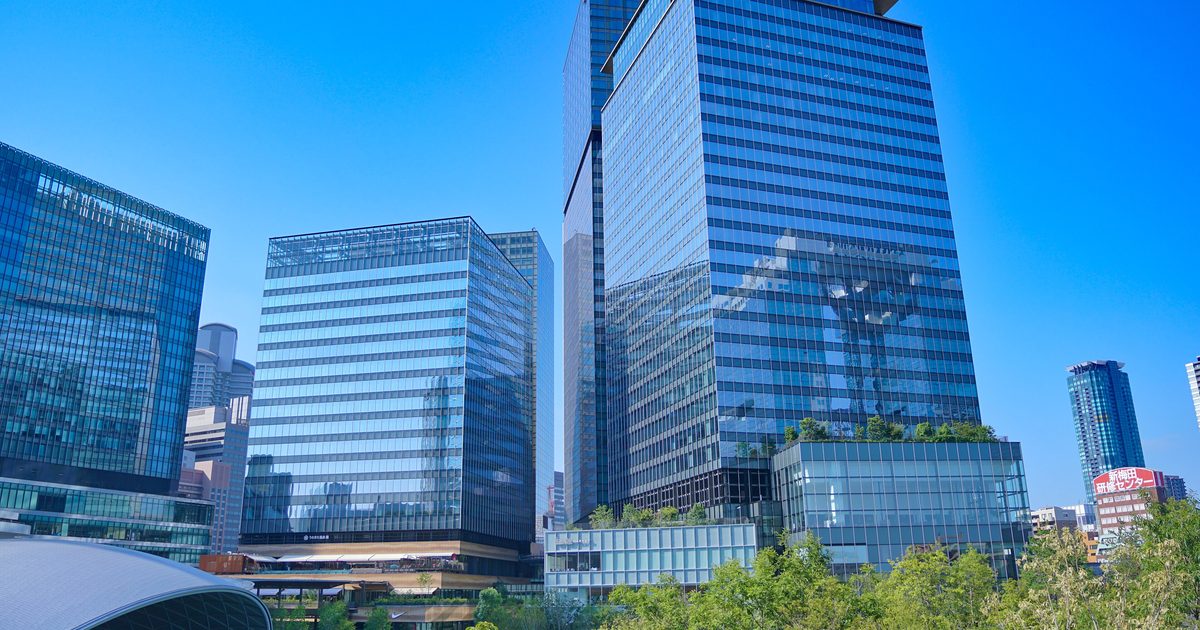
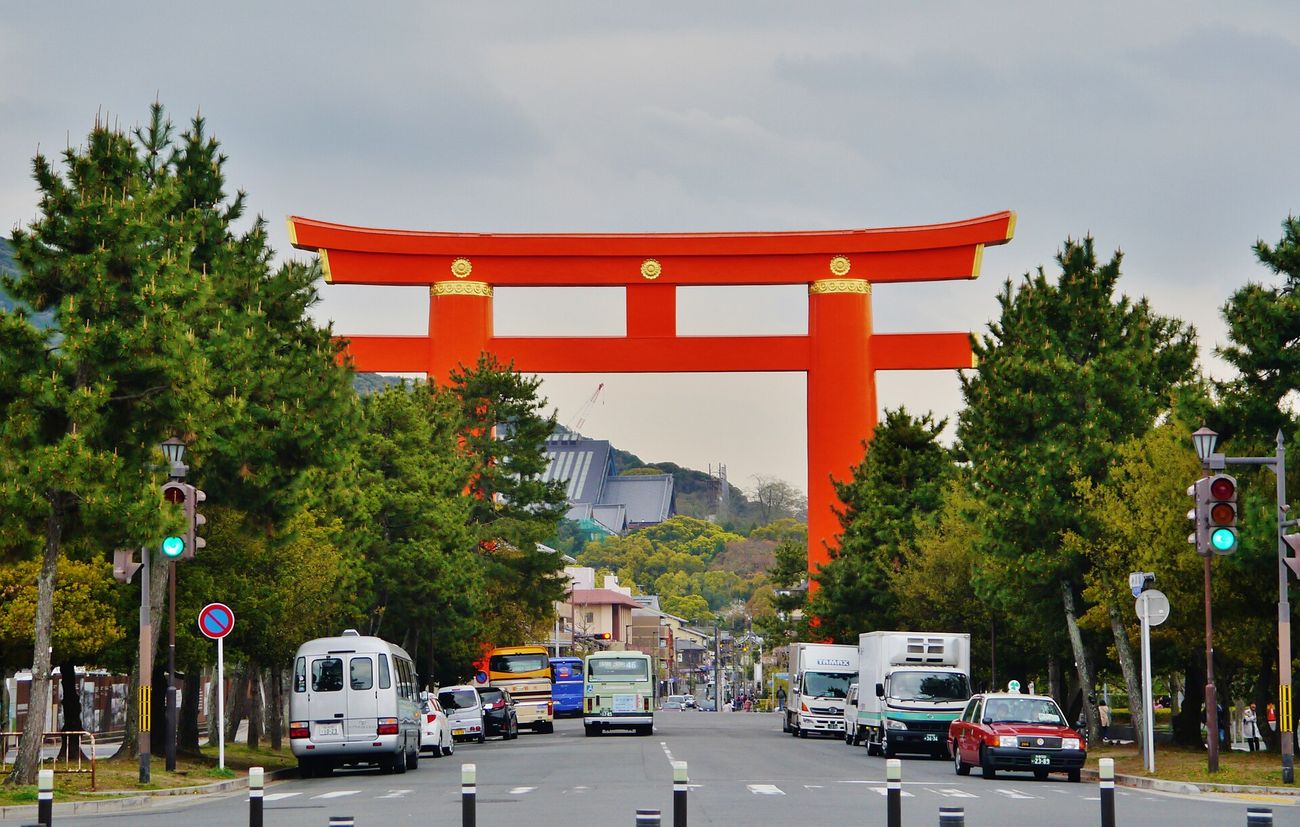
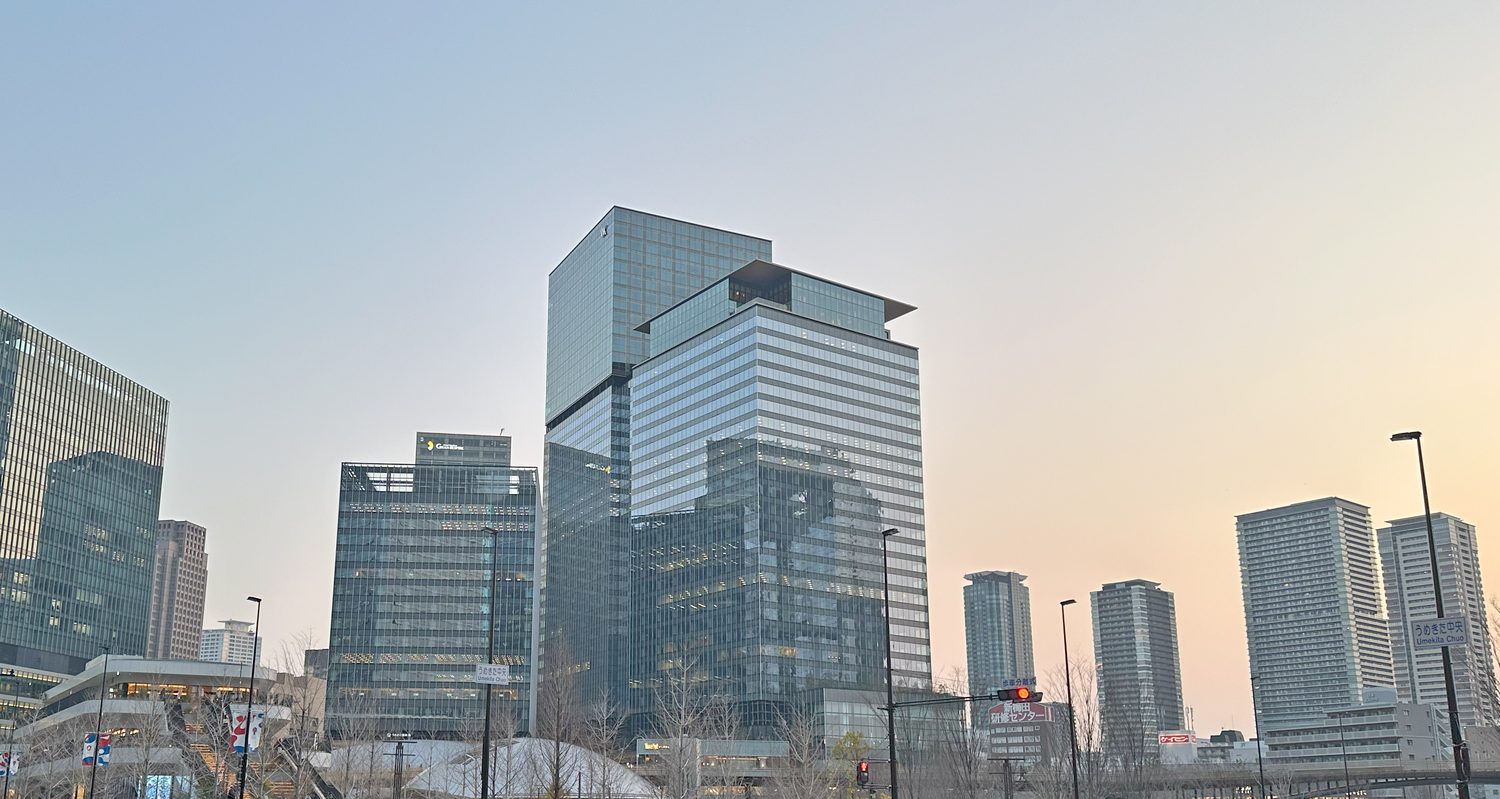
The official Games period is May 14 (Friday) to May 30 (Sunday), 2027, with the opening ceremony on May 14 in the Okazaki district of Kyoto and the closing ceremony on May 30 at Grand Green Osaka. Two events sit outside that frame:
| Event | Official schedule | Problem |
|---|---|---|
| Beach volleyball (Minamiawaji, Hyogo) | Practice May 8, competition May 9–14 | It ends on the day of the opening ceremony |
| Sailing, windsurfing (Wakayama) | Registration and measurement May 11–12, competition May 13–16 | Registration falls three days before the opening |
Book flights around May 14 to 30 and a beach volleyball entrant misses their entire competition. And that is not the only date shift to watch. The schedule table uses two symbols: a filled circle for days built into the competition schedule, including weigh-ins, and an open circle for registration, meetings, practice and reserve days that are not. Most events carry an open circle the day before their filled ones — meaning the day you actually have to be there is one day earlier than your first day of competition.
The second thing that makes people book the wrong hotel is geography. The venue filter lists ten prefectures: Fukui, Shiga, Kyoto, Osaka, Hyogo, Nara, Wakayama, Tottori, Tokushima and Okayama. The last four are not what most people mean by Kansai.
- All seven golf courses are in Tokushima Prefecture — not one is in Osaka or Kyoto.
- Clay target shooting is in Okayama, archery in Tottori, lifesaving in Fukui at Wakasa Wada Beach, weightlifting in Naruto in Tokushima.
Clay target shooting carries a contradiction the organisers have not resolved. The sport page, the venue filter and the accommodation page all say Okayama City in Okayama Prefecture, while the host column of the schedule table and of appendix 2 in the regulations says Hyogo Prefecture. No explanation is given, so the inconsistency is reported here rather than resolved. If that is your event, verify it yourself before booking anything.
A budgeting note while you are choosing a base: accommodation tax in Kansai is set prefecture by prefecture and city by city, with Osaka and Kyoto both levying their own and Kyoto's brackets having changed — the working through is in the Japan accommodation tax guide.
This is also the right place to say why this guide carries no hotel booking link. The organisers do state that participants arrange their own accommodation and are free to use commercial booking sites. But the same page carries a harder sentence: for clay target shooting in Okayama, applying to overseas residents only, accommodation is expected to be designated. The readers of this guide are precisely overseas residents — handing that group a booking link would be telling them to reserve a room the organisers are going to override. Less revenue is the correct trade here.
Should you buy the 17-day Kansai pass?
Establish that you can buy it at all first — it is sold only to participants who have already paid in full.
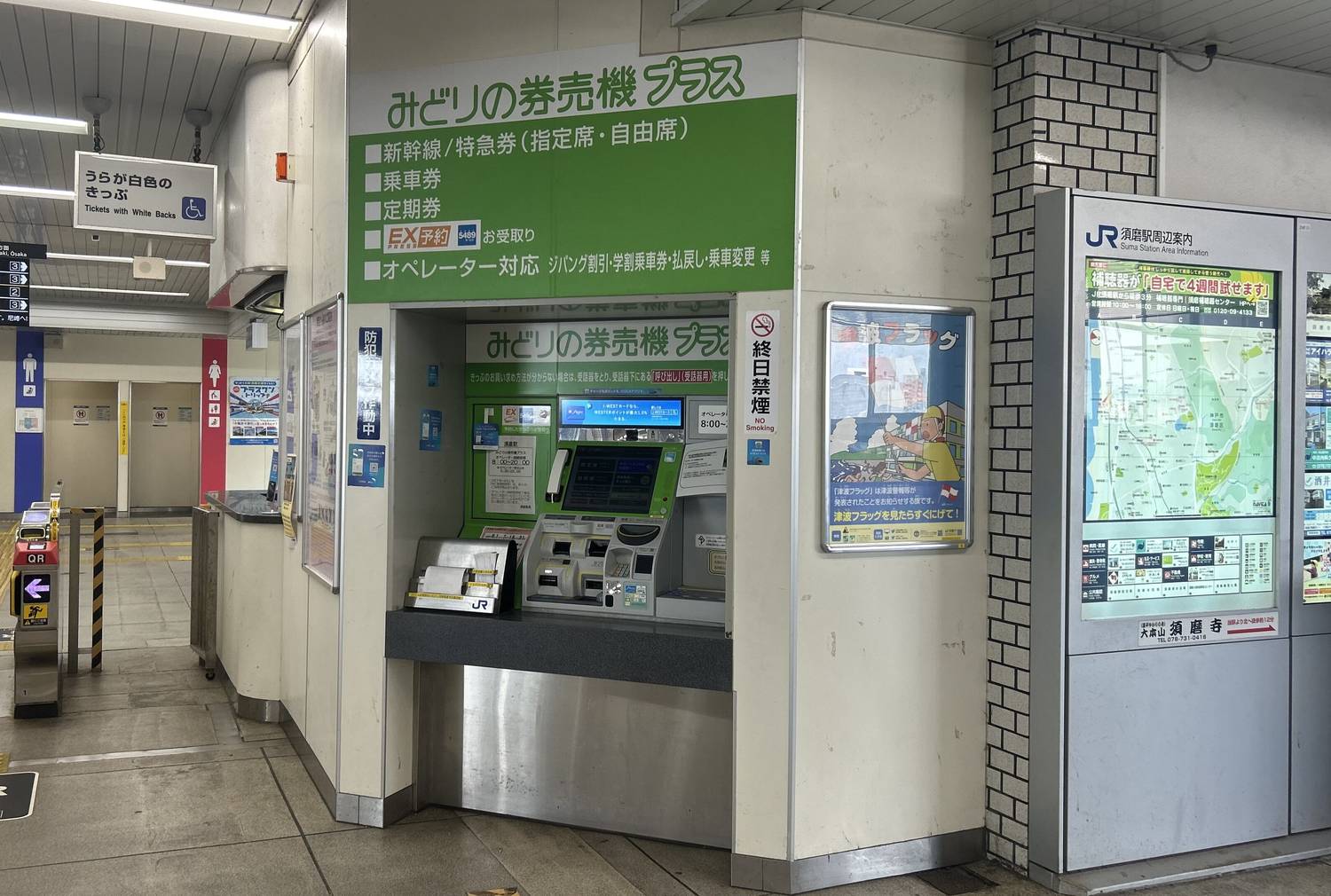
The pass covers May 14 to 30, 2027, exactly matching the 17 days of the Games. The organisers state that any Games participant may buy it regardless of residence or category, then immediately add the limiting condition: only those whose participation is confirmed, meaning those who have paid their fee. It is bought through the Games personal page. Structurally it cannot appear on any travel platform, so anything sold elsewhere is not an official channel.
| Item | Detail |
|---|---|
| Total, adult | ¥13,500 |
| Total, child aged 6–11 | ¥7,500 |
| Validity | 2027-05-14 to 05-30 (17 days) |
| On sale | 2026-10-01 to 2027-02-28 (marked provisional) |
| Covers | Sanyo and Hokuriku Shinkansen within the free travel zone, limited express and local trains including Special Rapid and Rapid services, Kyoto Tango Railway, Wakayama Electric Railway, Chizu Express, and West Japan JR Bus local routes |
| Does not cover | The Tokaido Shinkansen |
| Seating | Ordinary car reserved and non-reserved seats. Reserved seats must be booked in advance at a ticket machine at a major JR West station |
Three things go wrong most often.
First, the price is 13,500 yen, not 12,000 yen. The announcement page puts the pass price of 12,000 yen on one line and a separate 1,500 yen per-pass handling fee on the next, while the regulations print the combined sale amount directly: 13,500 yen for an adult, 7,500 yen for a child. Quote only the first line and you are 1,500 yen short.
Second, the Tokaido Shinkansen is excluded. The organisers state that Shinkansen coverage is limited to the Sanyo and Hokuriku lines within the free travel zone, and that a Tokaido Shinkansen journey requires a separately purchased basic fare ticket and limited express ticket. The practical consequence is specific: the opening ceremony is in Kyoto and the closing ceremony is in Osaka, and the pass does not cover that Shinkansen hop. The Special Rapid on the JR Kyoto Line is covered and takes longer. For how the Kansai rail passes compare in general, see whether a JR Pass is worth buying.
Third, overseas residents do not yet know where to collect it. Domestic residents get theirs posted home in early May 2027. For overseas residents the organisers say only that it will be handed over inside Japan, without naming a place. You pay in February and find out in May. There is no fix for this right now other than waiting for the organisers to fill the gap.
The child pass has a useful rule written on a different page. Under-12s cannot enter the Games, but the child pass exists because it is sold for children accompanying a participant — up to five per participant, with age judged as of April 1, 2027. The two halves of that only make sense read together.
Finally, value. Do not compare it against a commercial Kansai wide-area pass by dividing price by days — those are five-day passes, this is a 17-day pass, and this one only exists after a 15,000 or 34,000 yen entry fee. It is an option that appears after you enter, not a product you can shop against. The real question is whether you will genuinely cross prefectures during those 17 days. If your event is in Tokushima, your opening ceremony is in Kyoto and your closing ceremony is in Osaka, the answer is probably yes. For getting in and out of the region, see the Kansai Airport transport guide.
What language are the documents you sign?
Japanese only. The site's other languages are machine translation layered over the same page.
The Japanese, English and Traditional Chinese versions of the official home page return byte-identical HTML; comparing the extracted text of all three gives zero differing lines. Language switching is a client-side machine translation service, not three separately written editions.
And machine translation does not touch PDFs. The regulatory documents — participation regulations, cancellation policy, entry system terms, personal data handling, plus the age reference date chart and the per-sport implementation guidelines — were all found in Japanese only. The downloads page offers two brochures, one Japanese and one English, with no Chinese version. The entry system offers Japanese and English. Enquiries are accepted in Japanese and English.
The precise statement is not that there is no English — there is an English brochure and it prints both columns of the fee table. It is that the documents you have to agree to exist only in Japanese, and the one sentence that explains the price gap sits on page 5 of one of those Japanese PDFs, unmentioned even in the English brochure.
Three practical moves follow. Download the participation regulations and the cancellation policy before entering and read them end to end with a translation tool you trust, rather than relying on the machine-translated web summary. Send anything involving money or eligibility to the enquiry form in English, which is accepted. And treat the Japanese PDFs as authoritative for dates and amounts, using the translated pages only for navigation.
One more coordinate worth knowing: the previous edition, the 10th, was held in 2025 in Taipei and New Taipei. That appears in the organisers' own list of past Games and in the English brochure. This is not an unfamiliar event — it is the same event, now run under Japanese rules and Japanese paperwork.
Where did the 2021 edition go?
The organisers use three different words for the same event, and their own numbered list skips it.
| Source | Wording |
|---|---|
| Entry guidelines, early entry eligibility | Cancelled — and it states that refunds were given at the time |
| Competition schedule page | Postponed to May 2027 because of COVID-19 |
| English brochure | Postponed from 2021 and postponed from 2022, both on the same page |
| List of past Games | 9th (2017 Auckland) → 10th (2025 Taipei and New Taipei) → 11th (2027 Kansai) |
That last row is the point: there is no 2021 edition in the numbering. The same page states that the 2027 Kansai Games will be the eleventh.
So why is the organising body named for 2021, and why does the footer copyright read 2021? Because that is the corporation's registered name, not a stale footer. This is worth flagging because reading the footer as evidence of an outdated site is an easy mistake to make, and three facts refute it: the cancellation policy was last revised on August 28, 2026, the participation regulations on August 7, 2026, and the site itself is a rebuild.
What does show the shape of the missing edition is the revision list in the supplementary provisions. Revisions run densely from November 2019 to October 1, 2021, then one on March 15, 2022, and then nothing until December 9, 2025. Three years and nine months of silence. That gap is the edition the pandemic took.
Read against the refund clauses, this produces the most important pairing in this guide. When the 2021 edition was cancelled, refunds were made — the organisers say so themselves. The current cancellation policy states in writing that a cancellation caused by epidemic disease is refunded not at all. Both sentences are theirs, placed side by side. They have not explained why the wording changed, so no explanation is offered here, and nothing about the past is used to predict what would happen next time. Which version of the policy applied in 2021 was not obtained; only the current PDF plus its list of revision dates exists.
To be straight about the limits: all of this history was verified inside the Games' own domain, with no primary source from the Japanese government or the international body.
What use is any of it? A direct one. If you are about to pay a non-refundable sum in February 2027, you should know that this event was cancelled in Kansai once already, and that the current terms put that exact scenario in the no-refund column. Whether that argues for travel disruption or cancellation cover is a separate question — policies define event cancellation very differently, so read the exclusions first; the framework is in the Japan travel insurance guide.
What the organisers have not decided yet
Keeping “not yet published” apart from “does not exist” is the last and most important job here.
Every item below was still unanswered as of September 7, 2026. When you see a confident claim about any of them elsewhere, come back and check it against this table.
| Item | Official position |
|---|---|
| Ceremony content, timings, public admission, whether it is ticketed | All undecided. The organisers write that they are working hard to build ceremonies anyone can join and that the details are under enthusiastic review |
| Where the participant kit is collected | Appendices 3 and 4 of the regulations are both marked as to be published later |
| Where overseas residents collect the transport pass | Only that it will be handed over inside Japan |
| Which events still have places | No list has ever been published |
| Weightlifting entry | Planned to open December 2026 |
| Artistic swimming, canoe sprint | Under adjustment, no date |
| Host prefecture for clay target shooting | Inconsistent across four official pages (Okayama in three places, Hyogo in two fields), unexplained |
| Participant numbers for the 10th Games (2025 Taipei and New Taipei) | Every other edition in the table has a figure; that cell is blank |
| Schedule and venues | Marked as of August 2026, with the organisers stating they may be added to or changed at any time |
The ceremony row matters to your wallet as well as your calendar: the 20,000 yen buys access to a participants-only area, and how far the ceremonies open beyond that area is something the organisers themselves have not settled. Nobody can currently answer whether a non-entrant can attend the opening ceremony.
Four points to check back on
- October 1, 2026 — the transport pass goes on sale. It is the nearest hard date in the whole subject, and the first chance to see whether a date marked provisional actually holds.
- December 2026 — whether weightlifting entry opens, and whether the ceremonies get a follow-up announcement.
- January 31, 2027 — the shooting deadline for overseas residents, the earliest of the three, and still marked provisional today.
- February 28, 2027 — this guide expires on this date. Entry, pass sales and attached services all close together, and from March 1 nothing is refunded.
Compressed into one instruction: if you intend to compete, put October 1, 2026 and February 28, 2027 in your calendar today, and read the participation regulations and the cancellation policy in full before you press pay. Because after March 1, the only thing left to decide is whether you actually get on the plane.
Appendix: official Japanese wording (click to expand)
The original wording behind the claims above, gathered so you can check it yourself. Everything comes from the official site wmg2027.jp and the PDFs it hosts, retrieved on September 7, 2026. The organising body's registered name is 公益財団法人ワールドマスターズゲームズ2021関西組織委員会.
1. Dates, ceremonies, scale
[開催期間]2027年5月14日(金)~30日(日)
開会式:2027年5月14日(金) 京都市岡崎エリア/閉会式:2027年5月30日(日) グラングリーン大阪(大阪市)
35競技59種目の実施を予定しています。
バレーボール(ビーチ) 練習日:5/8 競技日5/9~14
セーリング(ウインドサーフィン) 受付・計測:5/11, 12 競技日:5/13~16
※ ● :競技日、計量など、競技日として組まれている日。/※ ○ :受付、会議、練習、予備日など、競技日として組まれていない日。
2. The three deadlines
エントリー受付締切日:2027年2月28日(日)午後11時59分59秒まで
日本国内在住者:2027年2月28日まで/日本国外在住者:2027年1月31日まで(予定)
お申し込み期限 2027年4月10日(土)/※他競技と期限が異なっておりますが、WMGに付帯する様々なサービスの申し込み期限は 2027年2月28日(日)です
3. Quotas
募集枠の上限に達した場合は、大会参加申込の受付期間内でも参加申込することはできません。
満員となっていた多くの競技種目において、定員を増やしましたのでエントリー受付を再開します!
4. Eligibility and age
年齢、性別、国籍や障がいの有無等に関係なく
You can participate by submitting an entry. No qualifiers. No restrictions on athletic experience, achievements, or disability
本大会は12歳以上(2027年4月1日現在)が参加可能とします。
年齢基準 30歳以上(1997年12月31日以前に出生した者)(ゴルフ)
12歳未満の方(2027年4月1日現在)については、大会参加を想定していないため、大会参加料金も設定していません。ただし、大会参加申込をされた保護者の方と同伴である場合に限り、式典参加権を付与します
5. Fees and residence classification
料金は全て日本円固定・税込・手数料込で、個人競技、団体競技を問わず、参加者1名に対する料金です。
国籍に関わらず、現在の居住地によって区分します。ただし、日本国籍を持つ日本国外在住の方は、日本国内在住者の区分でも参加可能とします。
イ WMG オリジナル KANSAI ONE PASS 2,500 円分のチャージをしたオリジナルデザインの交通系ICカード(ICOCA)。大会参加者区分が「日本国外在住の競技出場者」の方の基本料金に含まれます。
ア バックパック(リュックサック) イ キャップ(大会参加者キット)
開会式、閉会式の両式典に参加することができ、大会参加者だけが入場できる区画へのアクセス権を有します。
59競技種目のうち、5競技種目まで出場可能。6競技種目以降、1競技種目につき2,000円追加料金が必要です(競技数ではなく、競技種目数でカウントします)。
コンビニ決済(日本国内在住者料金区分のみ)/日本国内在住者料金区分のみ選択可能で、支払も日本国内のみの取扱い
6. Insurance and spectating
主催者側で傷害保険に加入しますが、その保険対象は、「競技出場者及び競技関係者」の「競技会場内において競技中に負った傷害」のみ…大会参加者は、各自、大会期間中の疾病・傷害等について、必要な保険(傷害保険、旅行保険、医療保険等)に加入してください。
なお、競技観覧のみであれば大会参加申込、大会参加料金は不要ですが、競技運営等の事情により、観覧いただけない場合もあります。
7. Cancellation and refunds
(ア) 2027年2月28日までにエントリーシステムにより、大会参加取りやめの手続きをされた方は、手数料を除いた額を返金します。(イ) 2027年3月1日以降は、大会参加取りやめの手続きがあっても一切返金を行いません。
主催者の責によらない事由(自然災害、テロ、疫病など)で大会若しくは出場予定競技が中止となった場合は、大会参加料金等の返金は一切行いません。
大会参加者キット等受領後の場合は、競技出場者の参加料金については、競技出場者以外(競技関係者及びサポーター)の参加料金との差額を返金することとし、競技出場者以外の参加料金については、一切返金を行いません。(交通パスオプション購入費用を含む)
交通パスオプション購入費用:1枚あたり1,500 円/その他の大会参加料金:返金対象額の10%
申込者数が少なく、1 つのカテゴリーを実施することが出来ない場合…それによって起こりうる、いかなる損害及び損失(旅行、宿泊代金を含む)について、主催者は一切責任を負いません。
8. Transport pass
パス代金:おとな 12,000円/こども(6~11歳)6,000円 ※別途事務手数料1,500円/枚をご負担いただきます
【販売額:おとな 13,500 円、こども(6~11歳(2027年4月1日現在))7,500 円】
※新幹線は自由周遊区間内の山陽新幹線、北陸新幹線に限ります。東海道新幹線をご利用の際には、乗車券と特急券をお買い求めください。
※大会参加が確定している方(参加料を支払済の方)のみご購入いただけます
国内在住者については2027年5月上旬に自宅へ配送予定です。※国外在住者には日本国内で引渡し予定
9. Accommodation
大会に参加される方は各自で宿泊先の手配をお願いいたします/自由に民間宿泊予約サイト(OTA)などで宿泊予約をしていただいて構いません
【宿泊先を調整している競技】・射撃(クレー)(岡山県)※国外在住者のみ/下記の競技種目は宿泊先が指定される予定のため、ご注意ください
10. The 2021 edition
① 2021年大会中止時に返金対応を受けた方(アーリーエントリー対象)
当初2021年開催であった本大会は、新型コロナウイルス感染症の影響により2027年5月開催へと延期となり
The Games were originally scheduled to be held in 2021, but due to the effects of the new coronavirus infection, the Games were postponed until May 2027./The next event will be held in 2027 (postponed from 2022).
第9回(2017)オークランド/第10回(2025)台北市、新北市(台湾)/第11回(2027)関西(日本)約50,000人(目標)
2019年11月19日 制定/…/2021年10月1日/2022年3月15日/2025年12月9日/2026年4月1日/2026年8月7日(大会参加規約 附則)
11. Undecided
競技参加者だけでなく、どなたでもご参加いただける楽しい開閉会式をつくるべく、ただいま奮闘中です。詳細は絶賛検討中につき、続報を楽しみにお待ちください!
別表3 WMGベース一覧 今後掲載予定/別表4 臨時キット受領場所一覧 今後掲載予定
■ ウエイトリフティング 世界選手権併催に係るエントリー手続き調整中のため。→2026年12月エントリー開始予定
【2026年8月時点】/随時競技日程及び競技会場を追加・変更する可能性があります
12. Language
言語選択で、日本語または英語を選択し、「次へ」をタップします。
お問い合わせは、お問い合わせフォームにて、日本語及び英語で受け付けています。
Frequently Asked Questions
- Q1:What is the World Masters Games and can an ordinary adult really compete?
- Yes, and there is no qualification standard to clear. It is a quadrennial multi-sport games for adult amateur athletes, and the 2027 edition is hosted across Kansai with 35 sports and 59 events planned and a stated participation target of about 50,000 people. The official English material states plainly that there are no qualifiers and no restrictions on athletic experience, achievement or disability, and the participation regulations state that age, gender, nationality and disability are all irrelevant to eligibility. The important framing is that this is not a ticketed event you attend — it is an event you enter, so the rules read much more like a road race entry than like buying a seat at a festival.
- Q2:How much does entry cost, and why do overseas residents pay more?
- There are six price cells. Residents of Japan pay 15,000 yen as a competitor and 5,000 yen as either a team official or a supporter. Residents outside Japan pay 34,000 yen as a competitor and 20,000 yen as either a team official or a supporter. The dividing line is residence, not nationality — a foreign national living in Japan is classified as a domestic resident, and there is one exemption inside the rule that only one group can use: a person holding Japanese nationality who lives abroad may enter under the domestic category. As for the gap itself, the organisers explain 2,500 yen of it (a commemorative ICOCA transport IC card preloaded with 2,500 yen, included only for overseas-resident competitors); the remaining 16,500 yen is not explained anywhere. Overseas team officials and supporters pay 15,000 yen more than their domestic equivalents, the regulations state explicitly that their fee does not include that card, and no explanation is given at all. Note also that 34,000 yen is not a total: sport-specific extra fees, the surcharge from your sixth event onward, and the transport pass are all separate.
- Q3:When does entry close?
- There are three deadlines, not one. Most events close on February 28, 2027 at 23:59:59. Shooting (clay target and rifle) closes for overseas residents on January 31, 2027, which the organisers currently mark as provisional. Orienteering closes on April 10, 2027 and is not entered through the Games system at all — it goes through the international federation's own site. That later orienteering deadline hides a trap, and the organisers spelled it out themselves: the application deadline for the various services attached to the Games remains February 28, 2027. Enter orienteering in March and the 17-day Kansai transport pass is already off sale. One more thing closes earlier than any deadline: the regulations state that once a quota is full, entries cannot be accepted even inside the application window, and quotas have genuinely filled — the organisers published a notice on May 28, 2026 announcing expanded capacity and reopened entries.
- Q4:Can I cancel and get my money back?
- Until February 28, 2027, yes. From March 1, no. The cancellation policy is blunt: withdraw through the entry system by February 28 and you are refunded the amount less fees; from March 1 onward, no refund is given at all even if you complete the withdrawal procedure. Fees are 1,500 yen per transport pass and 10 percent of the refundable amount for everything else. The second form of non-refund matters more: if the Games are cancelled for reasons outside the organisers' responsibility — the regulations list earthquake, storm and flood, snowfall, incidents, accidents, epidemic disease, war, riot, fire, weather conditions and terrorism — then no compensation and no refund of participation fees is made at all. The third form is the organisers cancelling by their own decision: full refund if the participant kit has not yet been issued, but once it has, a competitor gets back only the difference between the competitor fee and the non-competitor fee, while team officials and supporters get nothing back, transport pass included.
- Q5:What does it cost to just watch?
- Nothing, and no entry is required — but you are not promised a view. The organisers state in two separate places that spectating alone requires neither a Games entry nor a participation fee, and immediately add that there may be cases where spectating is not possible due to competition operations and similar circumstances. As of September 7, 2026 there is no mention anywhere on the official site of spectator tickets, grandstand seating or admission tickets, and no ticketing page exists. So read it precisely: watching costs nothing, but nothing has been guaranteed and there is no seat you can reserve in advance. This sentence also defines what the 20,000 yen supporter fee is not buying — it does not buy the right to watch, because watching is already free.
- Q6:Do I have to be 30 on the day I compete?
- No. The general rule for competitors is 30 and over, but the age reference date is set by each sport's own implementation guidelines, and the organisers published a single cross-sport chart for it that contains only four values: December 31, 2027 as the default, December 31, 2026 for archery, May 15, 2027 for five athletics events, and May 19, 2027 for squash. The default value means you can still be 29 on the day you compete — the golf page converts it into a birth date and states that entrants must be born on or before December 31, 1997, and someone born on that exact date is 29 years and four months old when the Games open in May 2027. Age minimums and age brackets are a different matter: those are set per sport, with the half marathon running from 30-plus all the way to 100-plus and golf using five brackets, so never carry one sport's brackets across to another. Separately, the floor for participating in the Games at all is 12 and over as of April 1, 2027.
- Q7:Is the official 17-day Kansai transport pass worth buying?
- Check three things before asking whether it is good value. First, it is sold only to Games participants who have already paid their fee in full, and only through the Games personal page — it cannot exist on any travel platform. Second, the real total is 13,500 yen for an adult and 7,500 yen for a child aged 6 to 11: the announcement page splits the pass price of 12,000 yen from a 1,500-yen-per-pass handling fee, while the participation regulations print the combined sale amount directly. Third, and easiest to get wrong: the Tokaido Shinkansen is not included. Only the Sanyo and Hokuriku Shinkansen inside the free travel zone are covered. The opening ceremony is in Kyoto and the closing ceremony is in Osaka, and this pass does not cover that particular Shinkansen leg. Sales run October 1, 2026 to February 28, 2027, marked provisional. One gap remains unfilled: for overseas residents the organisers say only that the pass will be handed over somewhere in Japan, without saying where.
Read next
Osaka & Kyoto 5-day itinerary
Dotonbori, Kiyomizu, Arashiyama — full tested route.
Getting Around Kyoto 2026: Buses, Subway & Passes
Kyoto transport is a notorious headache — buses are slow and jammed. The ¥700 bus pass is gone, so what now? Which mode wins for each route, whether the 2024 sightseeing express buses and the day pass pay off, worked out for you.
Kansai Airport to city: complete transit guide
HARUKA, airport bus, Nankai Rapi:t compared with real prices.
📊 See the 2026 Price Index (JR Pass, DPA, eSIM, Airport Transport) →