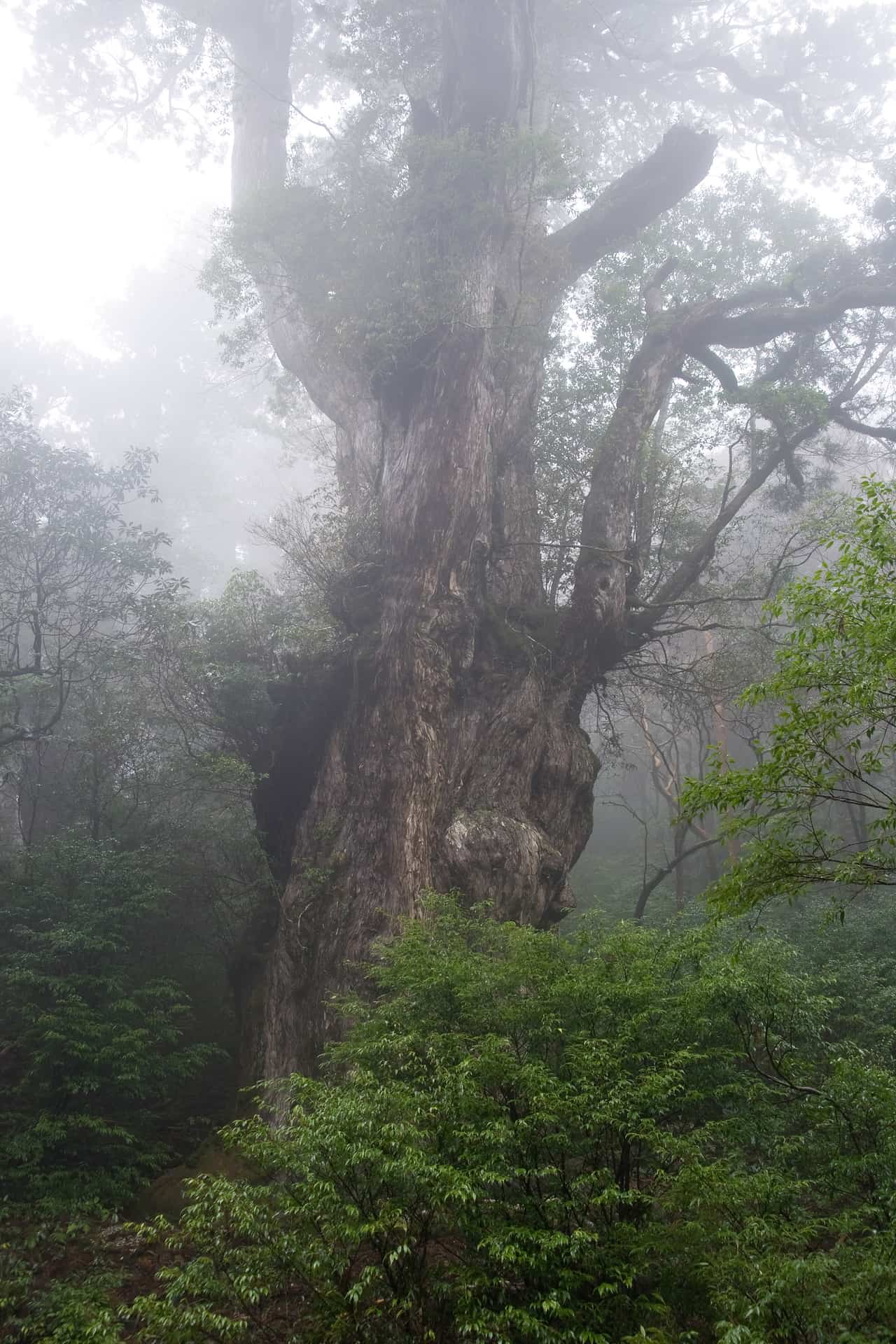
Yakushima, registered in 1993 among Japan's first World Natural Heritage sites, is a round island about 60 km south of Kagoshima — and thanks to its thousand-year-old "yakusugi" cedars and perpetually damp forests, Hayao Miyazaki borrowed it as the setting for Princess Mononoke. Its signature challenge, the Jomon Sugi cedar, is a 22 km round trip taking about 10 hours — one of Japan's most demanding day hikes. This guide lays out the high-speed ferries (about ¥14,000 one way) and the slow ferry (about ¥6,500) from Kagoshima, the trailhead bus restriction and conservation fee, the gentler Shiratani Unsuikyo and Yakusugi Land, plus the best season and gear so you can plan this rainy forest island with confidence. Starting from Kagoshima and want Sakurajima too? See how the Sakurajima ferry works.
- World Natural Heritage: yakusugi cedars (only 1,000+ years old earns the name), moss forests, and Miyanouradake (1,936 m), Kyushu's highest peak
- Access: jetfoil ~2–3 hrs ¥14,000, or ferry 4 hrs ¥6,500 from Kagoshima; rent a car on the island
- Jomon Sugi trek: 22 km round trip, 9–11 hrs, pre-dawn start — a guide is strongly advised
- Trailhead bus rule: Mar 1–Nov 30 no private cars to the trailhead; take the Arakawa bus ¥700 + ¥1,000 fund
- Easier options: Shiratani Unsuikyo (the Mononoke moss forest) and Yakusugi Land, ¥800 for adults
📖 Contents
Why visit Yakushima
Yakushima's appeal is a whole vertical Japan compressed into one island. It's small, but at its center rises Miyanouradake (1,936 m), Kyushu's highest peak, climbing from subtropical coastal forest to high conifer woodland and moorland — the climate zones stacked as if the entire country were stood on end. Its emblem is the yakusugi cedar: here only a cedar over 1,000 years old earns that name, and the most famous of them, Jomon Sugi, is estimated to be several thousand years old — the spirit of the island.
The other keyword is rain. Yakushima is one of the wettest places in Japan, and novelist Fumiko Hayashi's line about it "raining 35 days a month" — exaggerated as it is — captures the damp that grows these moss-blanketed forests, the very damp that led Miyazaki to base Princess Mononoke's woods on Shiratani Unsuikyo. For travelers, Yakushima isn't a tick-the-box stop; it's an island you need a few days, and a walk into the forest, to read.
Access: ferries from Kagoshima and getting around
Every sailing and flight to Yakushima leaves from mainland Kagoshima, so many people add a buffer day or two on the mainland before or after the island — Ibusuki's natural sand baths and Kirishima Shrine are the easiest pairing; see our Ibusuki sand baths and Kirishima guide.
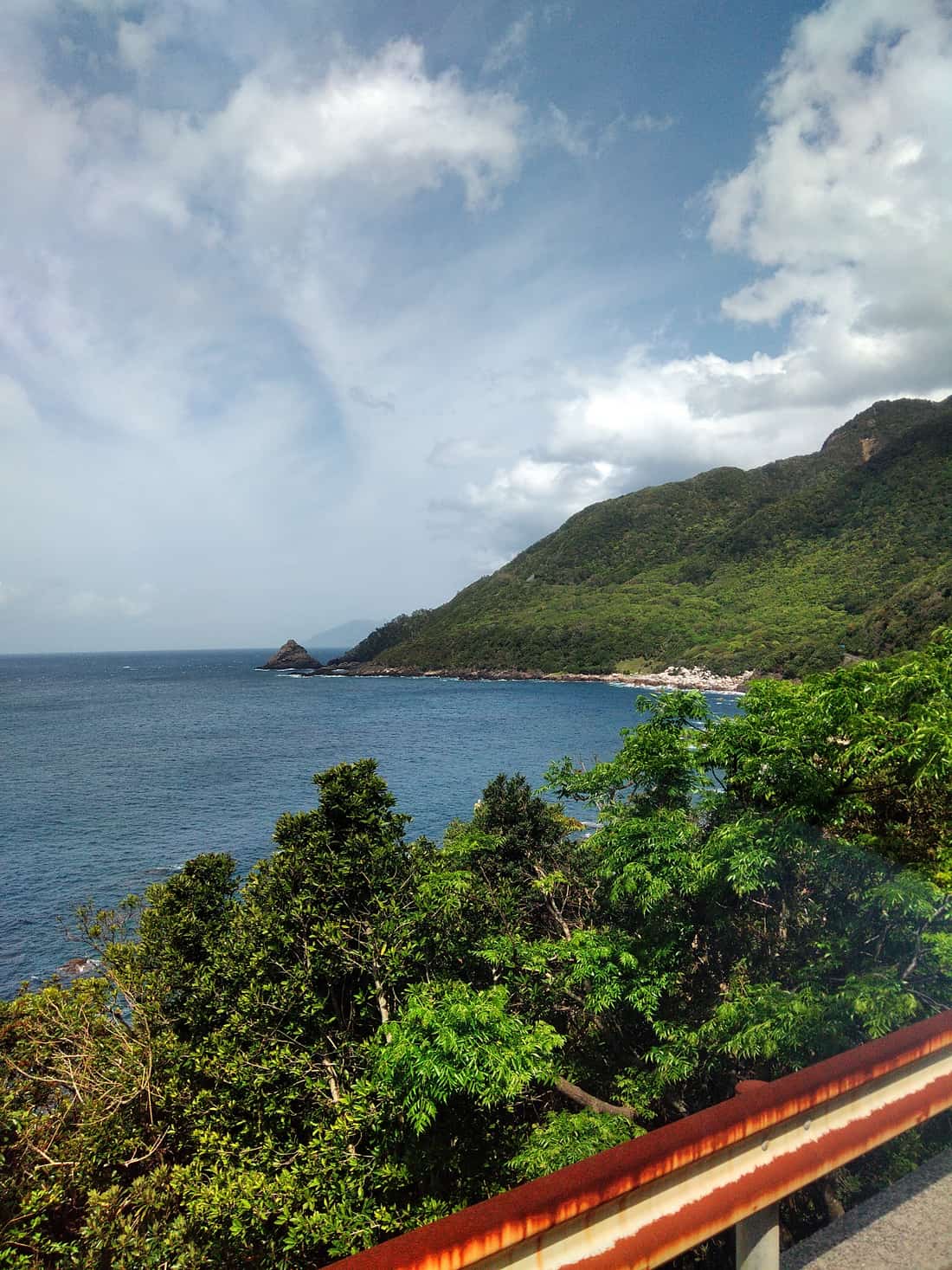
Three ways to cross from Kagoshima:
- The "Toppy & Rocket" jetfoils: fastest and most popular, Kagoshima's main port to Miyanoura or Anbo in about 2–3 hours (some sailings call at Tanegashima), about ¥14,000 one way / ¥25,900 round trip (return valid 7 days). Frequent and convenient; book ahead in peak season.
- The "Ferry Yakushima 2": departs Kagoshima 8:30, reaches Miyanoura 12:30, about 4 hours, around ¥6,500 second class / ¥9,000 first class — much cheaper, but only one sailing each way per day. Best if you have time and want to save.
- Flights: JAC flies from Kagoshima in about 35 minutes, with direct services from Fukuoka and Osaka Itami too — quickest, but pricier and weather-sensitive.
Getting around: the island has a coastal route bus, but it's infrequent and limited, so renting a car is the practical choice — the island loop is about 100 km, and a car gives you flexibility to reach trailheads, waterfalls and beaches. Without a car, combine the route bus with taxis and check timetables carefully. Mobile reception drops in the mountains, so set up a Japan eSIM from KKday before you go and download offline maps and sailing times as backup.
Where to base: most accommodation clusters in two port towns. Miyanoura on the north coast is the larger hub with more lodging, shops and the main ferry terminal — convenient and the safer default. Anbo on the east coast sits closer to the Yakusugi Museum (where the Jomon Sugi trailhead bus departs) and to Yakusugi Land, so it shaves a little off an early trek start. Either works; pick Anbo if Jomon Sugi is your priority, Miyanoura for everything else.
The Jomon Sugi trek: distance, bus rule, fee
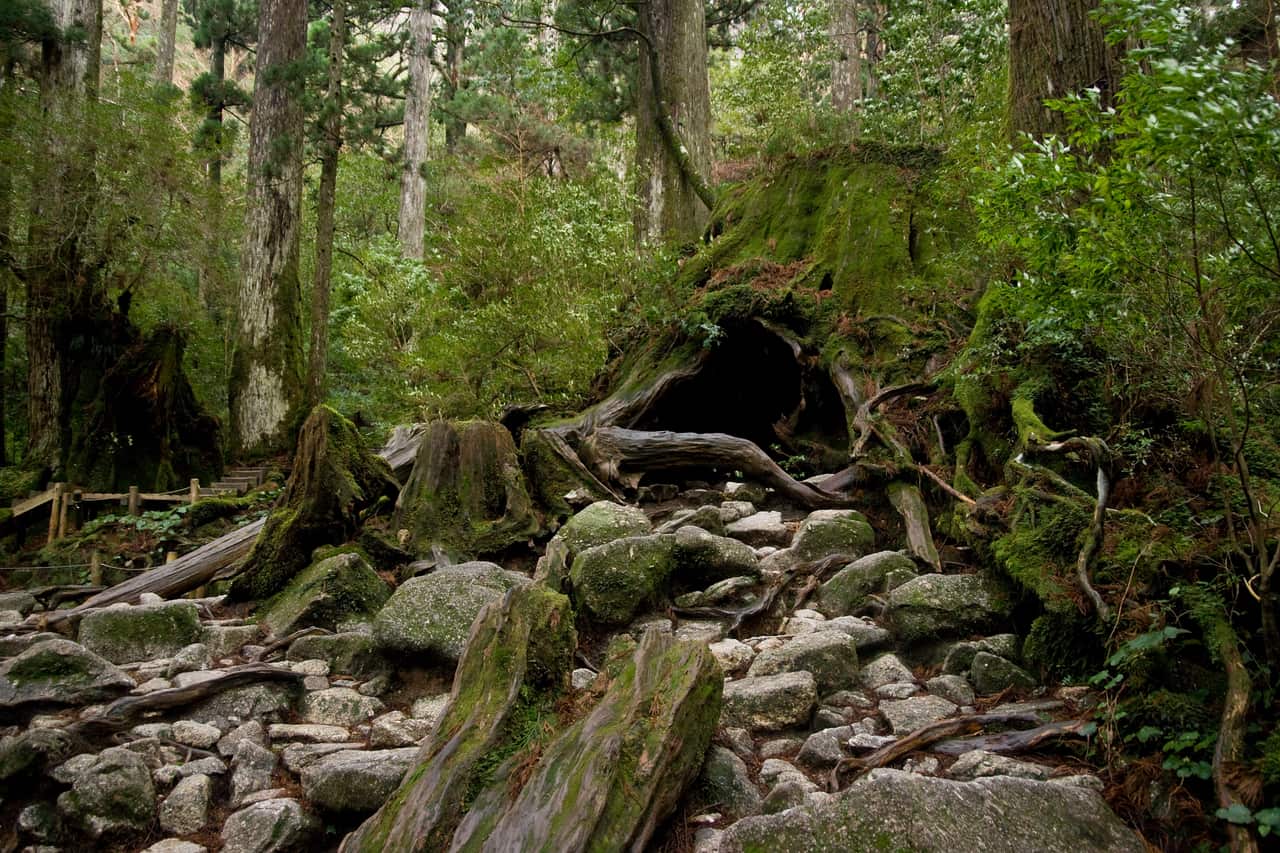
Jomon Sugi is Yakushima's ultimate goal, but go in clear-eyed: it's a 22 km round trip with about 700 m of elevation gain, taking 9–11 hours — not a stroll. Most people set off at 4–5 a.m. in the dark and only get back to the trailhead by evening. The first ~8.5 km follow a flat old trolley track, then ~2.5 km turn into steep trail, passing the famous Wilson's Stump (the cut stump of a giant yakusugi whose hollow forms a heart from a certain angle inside).
Two practicalities you must remember:
- Vehicle entry restriction (Mar 1–Nov 30): for these 275 days, all day, private cars, rentals and motorcycles cannot drive to the Arakawa trailhead — park at the Yakusugi Museum lot and transfer to the Arakawa Mountain Bus, about 40 minutes, ¥700 one way (around ¥1,400 round trip). Only December through the end of February, outside the restriction, can you drive there.
- Mountain Area Environmental Conservation Fund: usually collected when you board the bus — ¥1,000 for a day hike, ¥2,000 for overnight in the mountains (voluntary); you get a commemorative sticker and a cedar strap, and the money maintains the trail and toilets.
There's no legal requirement for a guide, but I'd say it plainly: take a guided tour. Yakushima's weather flips fast and the route is long, so a professional guide is safer and brings the cedars' story to life. For a pre-dawn start, a headlamp, rain gear, enough water and trail food are non-negotiable. For the long hours in the forest, sort out offline maps and connectivity in advance with a Japan eSIM — don't wait until you're out of signal to wish you had.
Shiratani Unsuikyo: the Mononoke moss forest
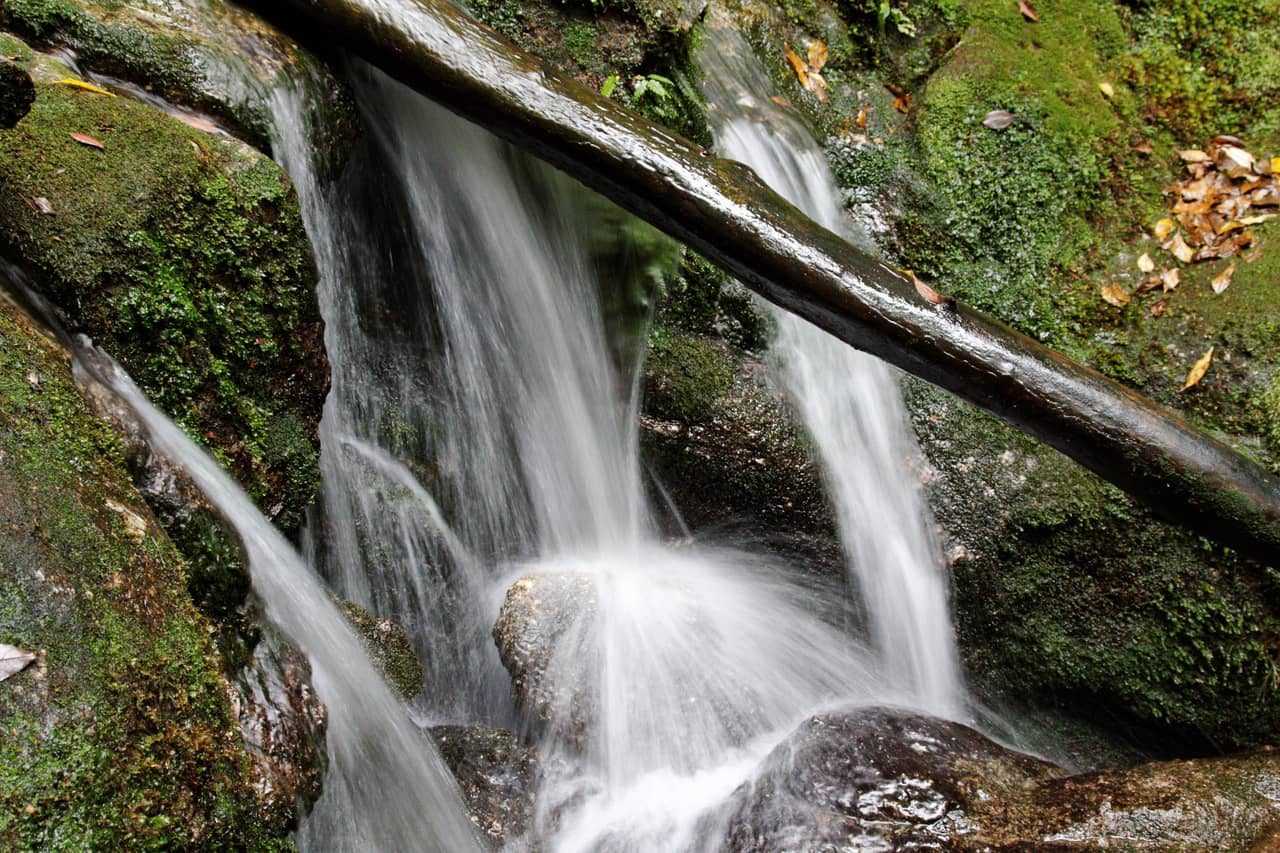
If Jomon Sugi is too much, Shiratani Unsuikyo is the gentler — and just as moving — choice. Its highlight is the mossy forest Miyazaki drew on while conceiving Princess Mononoke; the damp air coats trunks, rocks and the forest floor in layers of green, and stepping in feels like entering another world. With more energy, continue up to the Taiko-iwa lookout for a view over Yakushima's forested mountains — about 4–5 hours round trip.
The entrance charges a "forest environment maintenance fund" — ¥800 for adults (high-school age and up), raised from ¥500 in April 2026, and free for junior-high age and below. Even the shortest mossy-forest loop is well worth it, the best way to experience a World Heritage forest in half a day.
Yakusugi Land and around the island
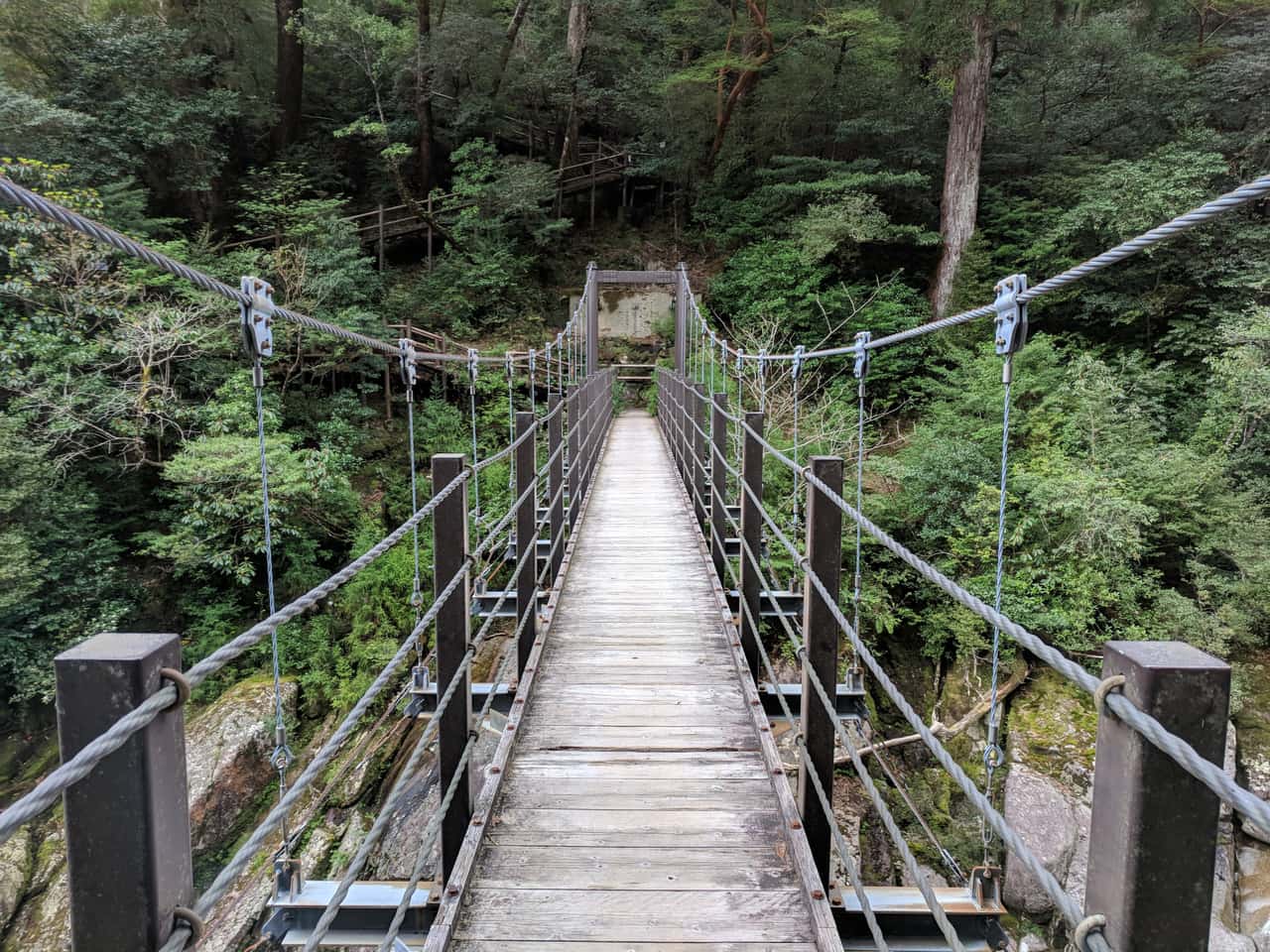
Yakusugi Land, on the Anbo forest road in the island's center, is a well-maintained cedar nature reserve with routes from a 30-minute walk to a 150-minute hike, passing several named old yakusugi — ideal if you don't want a long trek but still want to see the cedars. Its fund is likewise ¥800 for adults (from April 2026), free for junior-high age and below.
Around the island, a few stops earn a pause: Oko-no-taki Falls (88 m, on Japan's "100 famous waterfalls" list) is genuinely powerful; Nagata Inakahama is the North Pacific's largest loggerhead-turtle nesting beach, with the May–July nesting season (night viewing must follow local protection rules and a guided program); and there's Hirauchi Kaichu Onsen, a tidal hot spring exposed only for a few hours around low tide. Set aside a day to loop the island — easiest by car.
A sample 2-night, 3-day plan
Here's how I'd structure a first visit that covers the island's range without burning out on back-to-back big hikes:
- Day 1 (arrival + easy forest): take the morning jetfoil from Kagoshima, pick up your rental car at Miyanoura, and ease in with Shiratani Unsuikyo's mossy-forest loop in the afternoon (2–3 hours). Stock up on trail food and check your headlamp and rain gear for tomorrow. Early night.
- Day 2 (Jomon Sugi): the big one — a pre-dawn start with your guided tour, the trailhead bus, and the full 22 km out-and-back, back to your lodging by evening. Keep this day clear of anything else; you'll be tired.
- Day 3 (island loop + departure): a slower morning circling the south and west — Oko-no-taki Falls, a tidal hot spring, the Nagata turtle beach if it's May–July — then the afternoon ferry or an evening flight out.
If you only have two days, drop the island loop and choose either Jomon Sugi or Shiratani plus Yakusugi Land — don't try to cram both big treks into one trip. If you have four, add the Taiko-iwa lookout or, for experienced hikers, a push toward Miyanouradake.
Best season and gear
Season: Yakushima is walkable year-round, but the feel varies a lot. April–May (fresh greenery) and October–November are relatively dry and comfortable — the most popular hiking windows; the June rainy season brings the heaviest rain and slick trails; summer is hot at low elevation but cool up high; in winter snow settles around Miyanouradake, raising the difficulty of the Jomon Sugi route. For turtle nesting, target May–July.
Gear: pack for Yakushima assuming you will get rained on. Essentials: waterproof hiking boots, a separate jacket-and-pants rain suit (umbrellas don't work on forest trails), wicking layers plus a warm mid-layer (cold mornings at altitude), a headlamp (for the pre-dawn Jomon Sugi start), enough water and trail food, and a dry bag for wet clothes. For general packing principles see our Japan weather and clothing guide, but dial Yakushima's mountains toward "waterproof, warm, sturdy." For documents, insurance and customs prep, see our Japan pre-departure essentials. Yakushima slots nicely onto the end of a Kyushu trip — the full rail plan is in our Kyushu 3-day rail itinerary.
Frequently Asked Questions
- Q1:How do I get to Yakushima from Kagoshima — high-speed ferry or regular ferry?
- Three ways: (1) The "Toppy & Rocket" high-speed jetfoils — fastest, Kagoshima to Miyanoura or Anbo port in about 2–3 hours, roughly ¥14,000 one way / ¥25,900 round trip (return ticket valid 7 days), frequent and easy for same-day moves; (2) The "Ferry Yakushima 2" — departs Kagoshima 8:30, arrives Miyanoura 12:30, about 4 hours, around ¥6,500 second class / ¥9,000 first class, cheaper but only one sailing a day; (3) Flights (JAC) from Kagoshima in about 35 minutes, also direct from Fukuoka and Osaka Itami. Choose the jetfoil if you're short on time or prone to seasickness, the ferry if budget matters and you have time.
- Q2:How hard is the Jomon Sugi trek, and do I need a guide?
- It's not easy. Jomon Sugi is a 22 km round trip with ~700 m of elevation gain, taking 9–11 hours; most people set off at 4–5 a.m. in the dark and return to the trailhead by evening — a genuine full-day hike. The first ~8.5 km follow a gentle old trolley track, then ~2.5 km of steep trail. There's no legal requirement for a guide, but I'd strongly recommend a guided tour — Yakushima's weather turns fast, the distance is long, and going solo carries real risk; a guide also explains the yakusugi cedars and the famous Wilson's Stump along the way. If you're not confident of the full distance, Shiratani Unsuikyo or Yakusugi Land are far easier alternatives.
- Q3:Can I drive my own car to the Jomon Sugi trailhead?
- Not from March 1 to November 30. Those 275 days are a "vehicle entry restriction" (all day), so private cars, rental cars and motorcycles cannot drive to the Arakawa trailhead — you park at the Yakusugi Museum lot and transfer to the Arakawa Mountain Bus, about 40 minutes, ¥700 one way (around ¥1,400 round trip). When you board you're usually asked to pay the Mountain Area Environmental Conservation Fund (¥1,000 for a day hike, ¥2,000 if staying overnight in the mountains — voluntary; you get a commemorative sticker and a cedar strap). Only from December through the end of February, outside the restriction, can you drive to the trailhead.
- Q4:Are Shiratani Unsuikyo and Yakusugi Land worth it?
- Both are worth it, and far easier than Jomon Sugi. Shiratani Unsuikyo is the inspiration for the moss forest in the film Princess Mononoke — damp, deep green and atmospheric, with the Taiko-iwa lookout further up (about 4–5 hours round trip). Yakusugi Land is a well-laid-out cedar-forest trail network with routes from 30 to 150 minutes, good for average fitness or limited time. Both charge a "forest environment maintenance fund" — ¥800 for adults (high-school age and up), raised from ¥500 in April 2026; free for junior-high age and below.
- Q5:Does it really "rain 35 days a month," and what gear do I need?
- That line comes from novelist Fumiko Hayashi — an exaggeration, but Yakushima genuinely is one of the wettest places in Japan, more so in the mountains, so rain gear is essential, not a backup. Bring: waterproof hiking boots, a separate jacket-and-pants rain suit (umbrellas are useless on forest trails), moisture-wicking layers plus a warm mid-layer (cold mornings at altitude), a headlamp (you start Jomon Sugi in the dark), and enough water and trail food. Even with a sunny forecast it can rain in the mountains. See our Japan weather and clothing guide, but pack for Yakushima assuming you will get wet.
- Q6:How many days do I need, and can I day-trip from Kagoshima?
- A day trip is not advisable. The Jomon Sugi trek alone fills a whole day, and with the round-trip sailing a same-day visit is simply impossible. Plan at least 2 nights / 3 days: one day for Jomon Sugi (or Shiratani Unsuikyo), one to circle the island for Oko-no-taki Falls, the Nagata Inakahama turtle beach (May–July) and a seaside hot spring, and a spare day for the Taiko-iwa lookout or Miyanouradake if you have energy. Yakushima suits the back end of a Kyushu trip, or a dedicated flight in from Kagoshima or Fukuoka. With half a day spare in Kagoshima, the ferry to Sakurajima is in our Sakurajima ferry guide.