A lot of people treat Yokohama as a "once I am bored of Tokyo" backup, but it is the most worthwhile day trip in Kanto: from Shibuya the Tokyu Toyoko Line through-runs onto the Minatomirai Line and gets you there in about 30 minutes with no transfer. It has Japan's largest Chinatown to graze through, the Minato Mirai 21 skyline that lights up after dark, the waterfront Red Brick Warehouse and Yamashita Park, and the Sankeien garden, a classical stroll garden where you can spend a quiet half-day. This guide covers Chinatown, Minato Mirai 21 (note up front: the Landmark Tower 69th-floor observatory closed at the end of 2025 and is set to reopen only in 2028), the Red Brick Warehouse, the Cup Noodles Museum, Sankeien, Yamashita Park, plus transport and lodging — with a route that walks well over half a day or a full day.
- 30 minutes direct from Shibuya: Tokyu Toyoko through-runs to the Minatomirai Line — one of the smoothest day trips near Tokyo
- Yokohama Chinatown is free to wander: Japan's largest, ~500 shops, grazing on buns and duck shop by shop
- The Landmark Tower 69F observatory is closed (from Dec 31, 2025; set to reopen 2028) — for a night view, ride the Ferris wheel or hit the waterfront
- Sankeien ¥900, Cup Noodles Museum ¥500; the Red Brick Warehouse and Yamashita Park are free
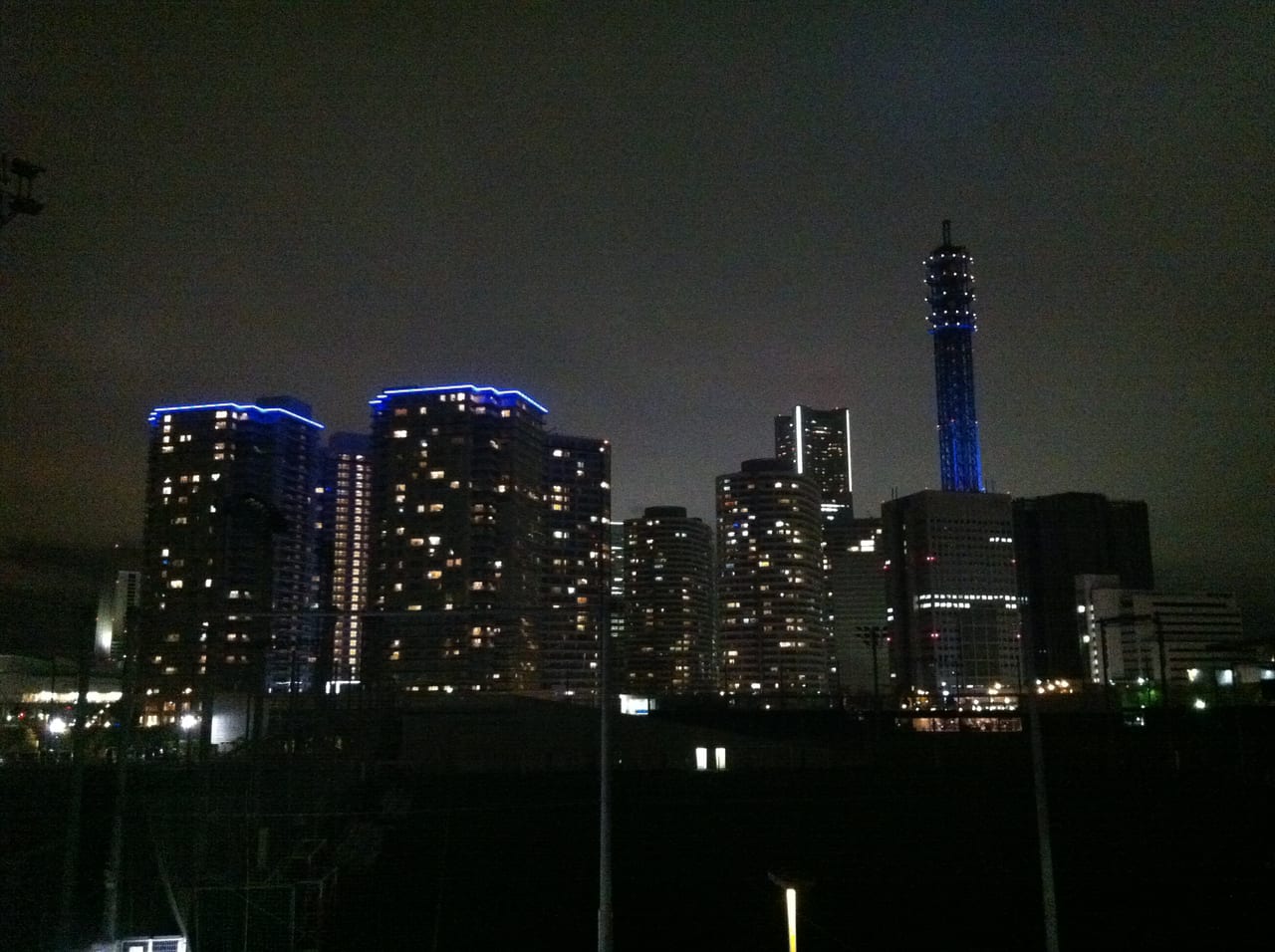
- Yokohama's real signature is the night view: arrive in the afternoon and stay for the harbor lights
📖 Contents
Why visit Yokohama
Honestly, Yokohama is not a city of rare, must-see monuments — its value is in waterfront scale and how smoothly it all connects. The sightseeing zone spreads along the harbor: Minato Mirai 21, the Red Brick Warehouse, Yamashita Park, and Chinatown line up almost into a single seaside walk, two or three subway stops apart, and walkable end to end. Its two strongest cards are the harbor night view and Japan's largest Chinatown — one drains your phone battery, the other keeps you eating. Add that it is absurdly close to Tokyo and hotels run cheaper than central Tokyo, and the cost of "a day somewhere different" is tiny. The classic mistake travelers describe is rushing out in the morning and heading back tired by evening — Yokohama's signature is the night view, so the right move is to arrive in the afternoon and keep sunset-to-dark at Minato Mirai.
On seasons: Yokohama works year-round, but a couple of windows stand out. Spring brings cherry blossoms along the Sakuragicho canals and around the parks; autumn (mid- to late November) turns Sankeien deep red, with evening illuminations that make the garden worth a special trip. Summer on the bay is hot and humid, so pace the outdoor walking and lean on the air-conditioned malls and museum stops in the afternoon heat; winter is dry and clear, often the sharpest night-view season, and the Red Brick Warehouse runs its outdoor ice rink and Christmas market. As for what to skip: do not over-plan a day around the closed Landmark Tower observatory, and do not blow through Chinatown on a single bun — the eating, like the night view, rewards a slower pace.
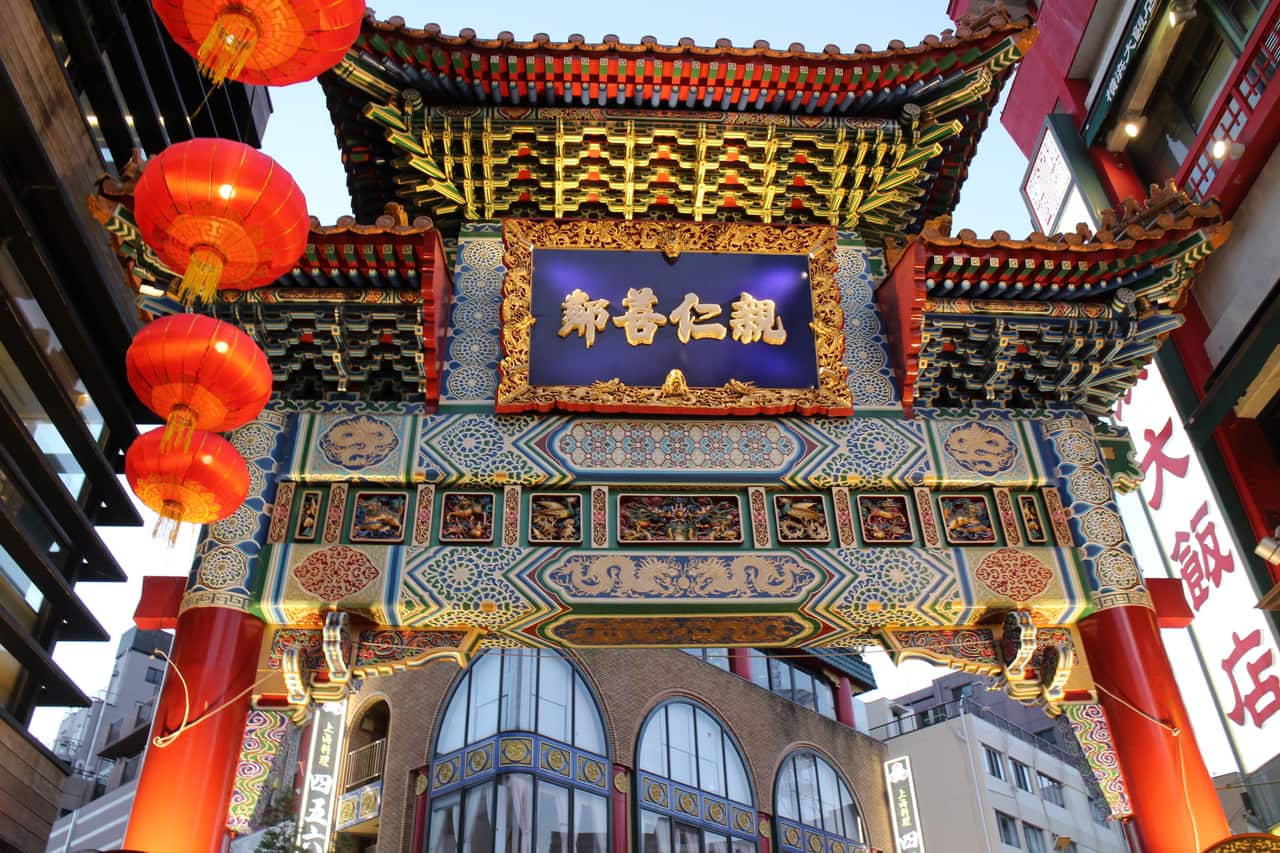
Yokohama Chinatown, Japan's largest
Yokohama Chinatown is Japan's largest and one of the biggest in Asia, with roughly 500 Chinese shops and restaurants crammed into a compact district — the food density is genuinely startling. The good news is that the whole area is free to wander, with no admission; the only thing that costs money is a mouth that will not stop. Its roots trace to the Chinese community that gathered here after the port opened in 1859, so this is not a tourist-built theme street but a real, lived-in neighborhood, with a gate at each of the four compass points (Choyomon, Enpeimon, Suzakumon, Genbumon) that photographs beautifully once lit at night.
Here is how I would eat it: for a proper meal, pick one place to sit down for Cantonese, Peking duck, or Shanghainese food — portions and quality earn their price. If you are just passing through, go street-food style instead, sweeping past steamed pork buns, xiaolongbao, sesame balls, roasted chestnuts, and bubble tea, each in small portions so you can try several stalls. Chinatown also holds two busy temples, Kanteibyo and Masobyo, worth stepping into for an atmosphere unlike a Japanese shrine (the temples are free; offerings are optional). The nearest station is Motomachi-Chukagai, the terminus of the Minatomirai Line — exit 2 puts you a few steps from the Choyomon gate, with no transfer needed from the Minato Mirai side.
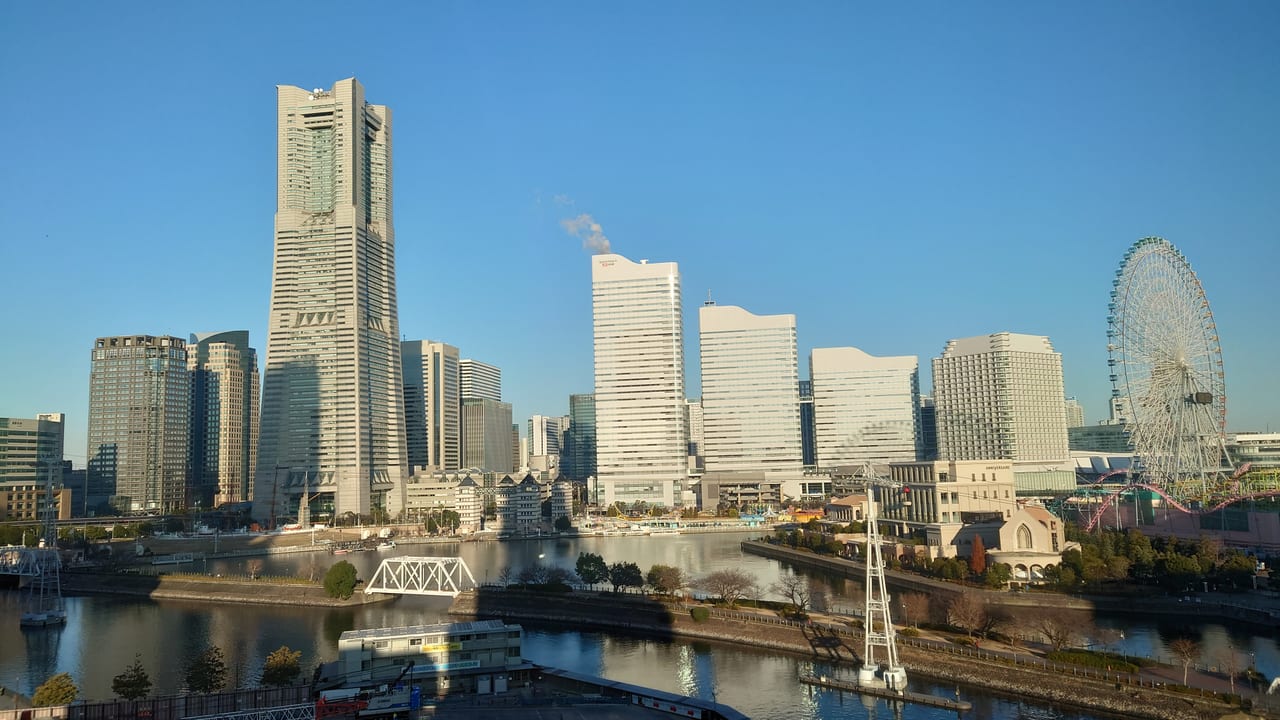
Minato Mirai 21 & the Landmark Tower status
Minato Mirai 21 is Yokohama's face — a reclaimed-land harbor district that packs towers, malls, an amusement park, and museums into a walkable area. First, get the current status straight so you do not waste a trip: the Sky Garden observatory on the 69th floor of the Yokohama Landmark Tower closed after its New Year operations on December 31, 2025, because the building is undergoing large-scale renovation, and per official information it is not expected to reopen until 2028. In other words, during 2026 you cannot go up to the 69th floor for the night view. The tower itself, the Landmark Plaza mall, and the Royal Park Hotel keep operating, and it is still the star of the skyline — just do not make a special trip for the deck.
For a high vantage or a great night view, the alternatives are honestly more fun. Ride the Cosmo Clock 21 Ferris wheel — it sits in the canal-side Yokohama Cosmo World park, stands 112.5 meters tall with a giant clock around its rim, and runs about ¥1,000 per ride, giving you the harbor panorama by day and a jewel-box of lights at night. Another I would suggest is the Yokohama Air Cabin ropeway, which glides from Sakuragicho Station to the canal park for an aerial look at the waterfront and the wheel. If you would rather not pay, simply walking the canal to the Red Brick Warehouse and the boat pier — looking back at the Landmark Tower and the wheel from the water's edge — works just as well.
Red Brick Warehouse & Yamashita Park
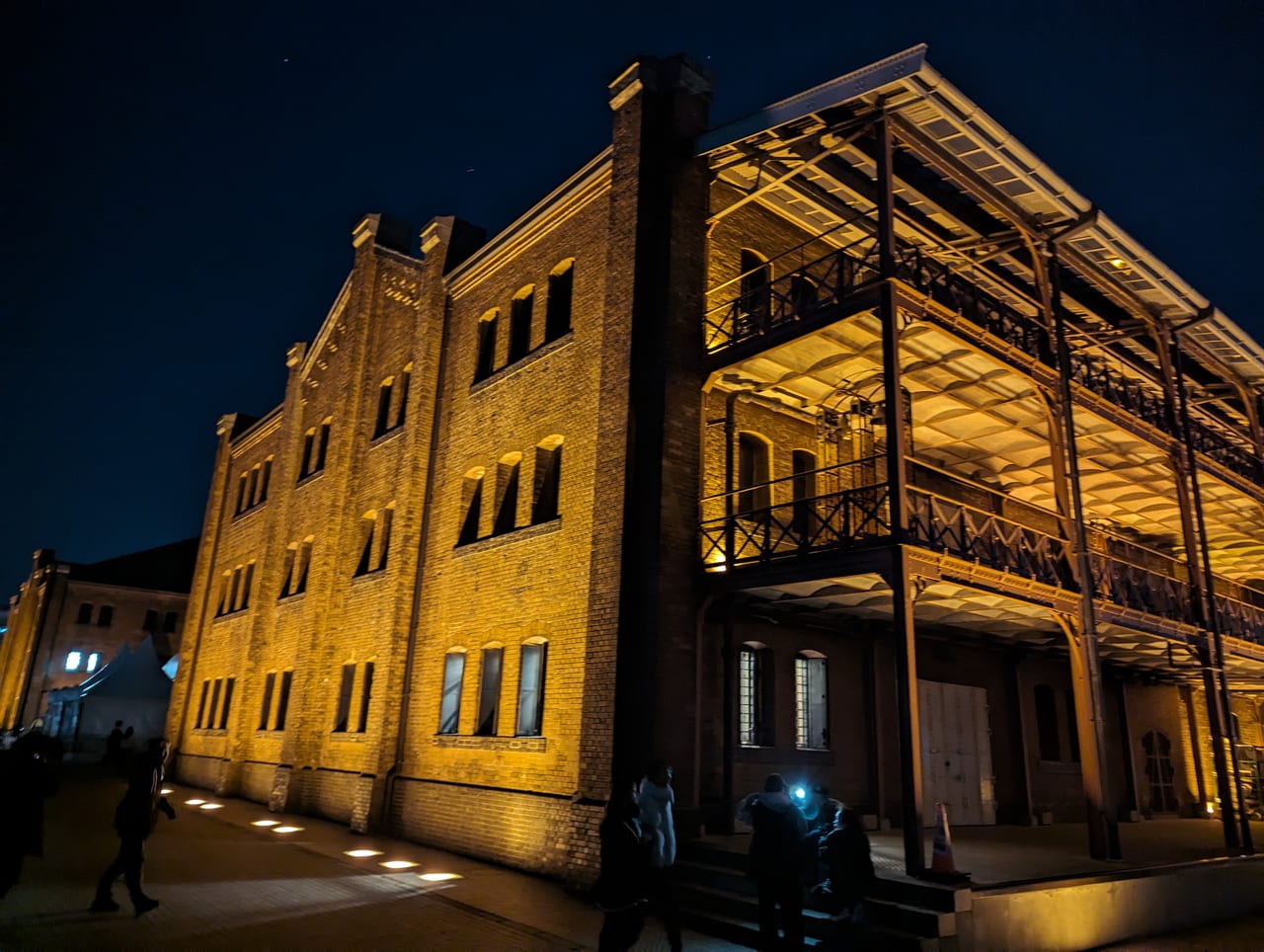
Walk from Minato Mirai toward the sea and you reach Yokohama's other prime waterfront: the Yokohama Red Brick Warehouse (Aka-Renga Soko). These are two Meiji- and Taisho-era brick customs warehouses, now a complex stuffed with select-shops, restaurants, cafes, and event spaces. Entry to wander is completely free — only shop purchases and specific events (the winter outdoor ice rink, Christmas market, beer festivals) cost money. The building itself is photogenic, and lit at dusk against the Minato Mirai skyline behind it, it is a postcard-grade scene. The nearest station is Bashamichi on the Minatomirai Line, about a 6-minute walk, or stroll over on the boardwalk from Minato Mirai Station.
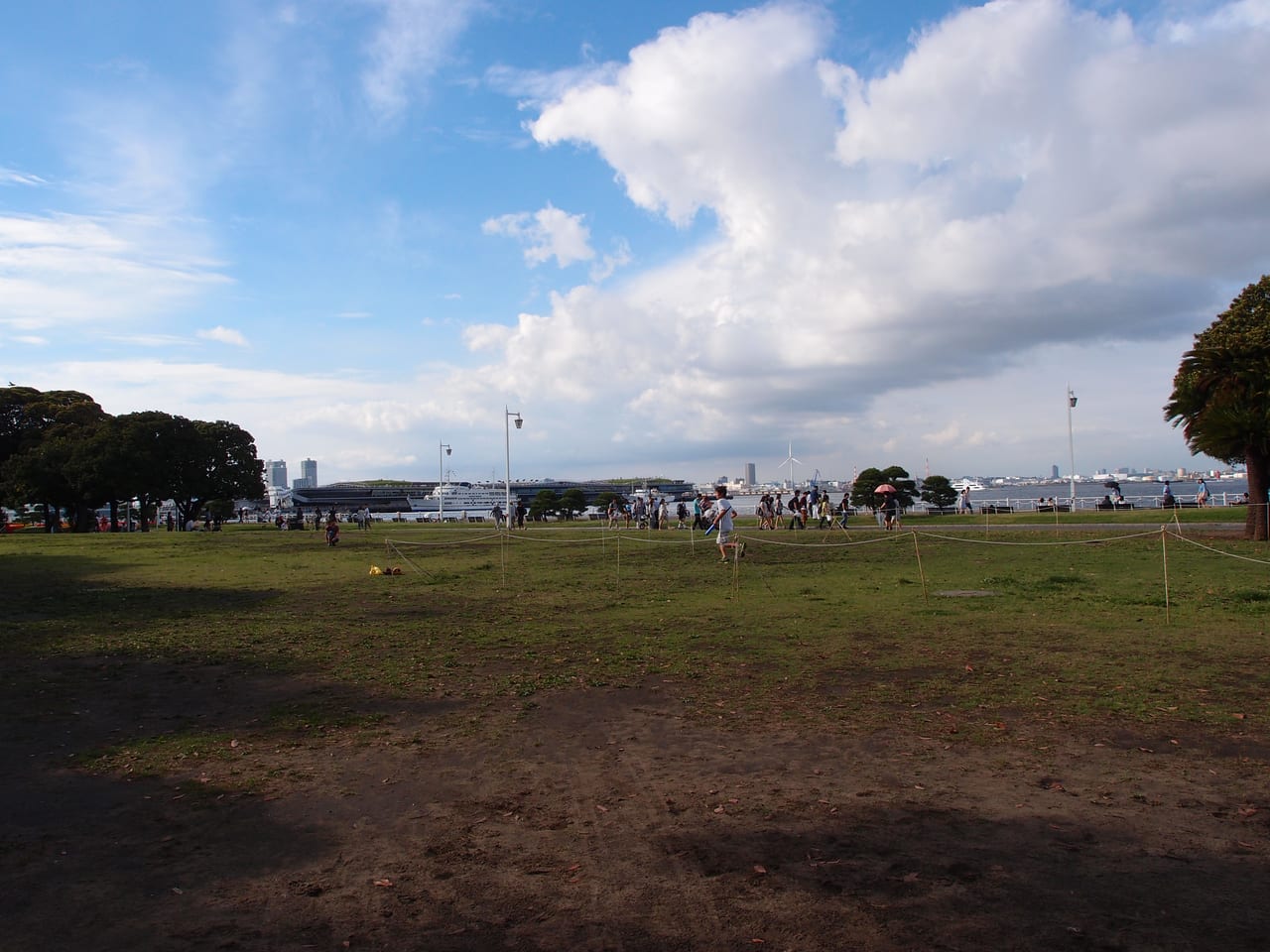
A little further south is Yamashita Park — Yokohama's oldest seaside park, an open promenade along the harbor where you can see the moored Hikawa Maru ocean liner and look out to the Yokohama Bay Bridge. It is the spot where locals come to stroll and watch the sea. Completely free and open all day, it is only a few minutes' walk from Motomachi-Chukagai Station, so it pairs perfectly with a Chinatown meal as a digestive walk. String "Chinatown → Yamashita Park → Red Brick Warehouse → Minato Mirai night view" into one seaside route and you barely need to take a train — it walks the best that way. The Yokohama Bay Bridge looks most complete after dark from Yamashita Park or the Osanbashi pier.
Cup Noodles Museum & Sankeien
One stop in the Minato Mirai area that both kids and adults buy into is the Cup Noodles Museum (CUPNOODLES MUSEUM), which tells the story of Momofuku Ando inventing instant noodles in a genuinely entertaining way. Admission is ¥500 for adults, free for high schoolers and under, but the two best parts cost extra: "My CUPNOODLES Factory," where you design your own soup, toppings, and cup to make a custom cup of noodles to take home, and the "Chicken Ramen Factory," where you make chicken ramen by hand from kneading the dough. On weekends and holidays these workshops fill up, so check the official site for that day's numbered-ticket or booking system rather than turning up cold.
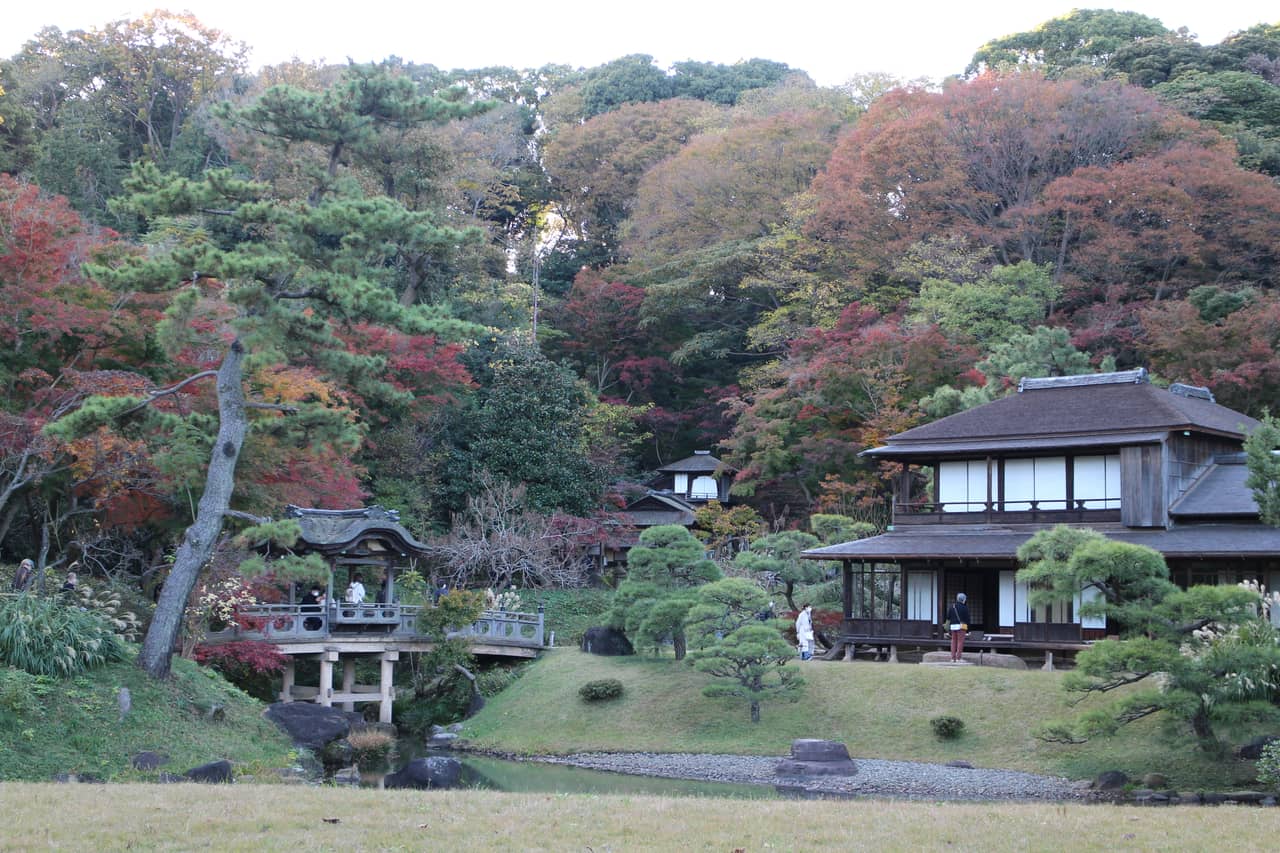
If you want to step away from the harbor bustle for half a day, the stop I push harder is Sankeien, a little out from the center. Built in the early 20th century by Hara Sankei, a silk-trade magnate, it is a stroll garden that gathers relocated historic buildings — including a Muromachi-period three-story pagoda — around a large pond and hillside into a garden you can slowly circle. Admission is ¥900 for adults, ¥200 for children (14 and under), open 9:00–17:00 (last entry 16:30), often with extra evening illuminations in cherry-blossom and autumn seasons. It is a bit removed from the Minato Mirai side (reach it by bus or taxi), but precisely because tourist density is low, it is a rare place in Yokohama to settle down and properly photograph the garden and old buildings. Autumn foliage and early-summer green both look great, and the grounds are big enough to fill well over an hour.
Transport & lodging
Getting from Tokyo depends on your starting point. Shibuya is smoothest — the Tokyu Toyoko Line through-runs onto the Minatomirai Line, reaching Minato Mirai / Motomachi-Chukagai in about 30 minutes with no transfer, which is the route I would pick first. From Tokyo Station or Shinagawa, take the JR Tokaido or Keihin-Tohoku Line to Yokohama Station (about 25–30 minutes), then switch to the Minatomirai Line for the sights; from Shinjuku, the Shonan-Shinjuku Line runs to Yokohama Station. Just tap a Suica or ICOCA for one-way trips — the fares are small, so no day pass is needed; if you will move around Minato Mirai and Chinatown a lot, the Minatomirai Line sells a day pass worth considering. A nationwide JR Pass covers the JR legs (to Yokohama Station) but not the private Minatomirai Line — run the break-even math in our JR Pass guide first.
Around town, the workhorse is the Minatomirai Line — Minato Mirai Station (Minato Mirai 21), Bashamichi (Red Brick Warehouse), Nihon-odori, and Motomachi-Chukagai (Chinatown, Yamashita Park) string the sights together, with short hops and frequent trains. The waterfront sights are walkable between each other, so for one or two stops, tapping an IC card is simplest. The tourist-oriented Yokohama Air Cabin ropeway (Sakuragicho ↔ canal park) and harbor cruises are experience-type rides to add when you want a different angle on Minato Mirai.
For lodging, think in two modes. If Yokohama is just a day trip from Tokyo, you do not need to stay over — a same-day round trip is most efficient. If you want to use Yokohama as a base (hotels cheaper than central Tokyo, plus easy Haneda access), choose Minato Mirai or around Yokohama Station: the former gives you harbor night views from the window and an easy walk to the Red Brick Warehouse and Cup Noodles Museum, the latter is best for transfers and concentrated dining and malls. Yokohama has plenty of hotels at gentle prices, but New Year (the Landmark Tower illumination), cherry-blossom weekends, and major events get tight — book ahead. Our Tokyo 5-day itinerary covers the wider lodging-by-area logic.
A half-day / full-day plan
Here is the same content shaped into a route that walks well and lands you on the night view:
- Half-day highlights (about 4–5 hours): afternoon train from Shibuya to Motomachi-Chukagai → Chinatown lunch plus stall-hopping for snacks (eaten by each storefront) → stroll Yamashita Park for the sea and the Bay Bridge → walk the waterfront to the Red Brick Warehouse for shopping and coffee → into Minato Mirai at dusk for the sunset-to-dark harbor view (cap it with a Cosmo Clock 21 ride).
- Full day: head out first to the more distant Sankeien in the morning (fewer people, quiet, avoiding the afternoon crowds) → back to Minato Mirai at midday for the Cup Noodles Museum (check workshop bookings if you want to make a cup) → afternoon Chinatown meal plus a Yamashita Park walk → dusk at the Red Brick Warehouse and the Minato Mirai night view, capped by the Ferris wheel or the Air Cabin, then back to Tokyo.
Yokohama pairs well with Kamakura to the south (the Great Buddha and the Enoden coast — see our Kamakura day-trip guide) or Hakone to the west for a "city + hot spring" contrast (see our Hakone onsen & transport guide). Pre-trip weather and packing are in our Japan packing & weather guide. Remember one line: Yokohama's signature is the night view, so keep dusk-to-dark for Minato Mirai and the trip pays for itself.
FAQ
- Q1:Is Yokohama a good day trip from Tokyo? How long do I need?
- Very much so. From Shibuya, the Tokyu Toyoko Line through-runs onto the Minatomirai Line and reaches Minato Mirai in about 30 minutes with no transfer and a cheap fare — one of the smoothest half-day to full-day trips near Tokyo. For just the highlights — a Chinatown lunch, the Red Brick Warehouse, and the Minato Mirai night skyline — half a day (about 4–5 hours) is plenty; add the Sankeien garden or a slow walk through Yamashita Park and a full day fits nicely. The trick most travelers settle on is "arrive in the afternoon, stay for the night view," because Yokohama's real signature is the harbor after dark. The wider Tokyo plan is in our Tokyo 5-day itinerary.
- Q2:Is there an admission fee for Yokohama Chinatown? Is it really Japan's largest?
- Yokohama Chinatown is Japan's largest and one of the biggest in Asia, with roughly 500 Chinese shops and restaurants packed into a compact district. The good news: the whole area is free to wander, with no admission — the only thing you spend money on is food. You can sit down for Cantonese cuisine or Peking duck, or graze street-food style on steamed buns, xiaolongbao, sesame balls, and bubble tea — bought shop by shop and eaten right by each storefront. There are also two busy temples (Kanteibyo and Masobyo) you can step into. The nearest station is Motomachi-Chukagai, the Minatomirai Line terminus, a few steps from the Choyomon gate. The gates are especially photogenic once lit at dusk.
- Q3:Can you still go up the Landmark Tower 69th-floor Sky Garden observatory?
- Get this straight first so you do not waste a trip: the Sky Garden observatory on the 69th floor of the Yokohama Landmark Tower closed after its New Year operations on December 31, 2025, for large-scale building renovation, and per official information it is not expected to reopen until 2028. So during 2026 you cannot go up to the 69th-floor deck. The tower itself, the Landmark Plaza mall, and the Royal Park Hotel keep operating, and the exterior is still the star of the skyline — just do not make a special trip for the observatory. For a high view instead, ride the Cosmo Clock 21 Ferris wheel (about ¥1,000) or take in the tower's lights from the waterfront by the Red Brick Warehouse.
- Q4:Do the Cup Noodles Museum and Sankeien charge admission? How much?
- Per the latest official info: the Cup Noodles Museum (CUPNOODLES MUSEUM) is ¥500 for adults, free for high schoolers and under, but the hands-on workshops — "My CUPNOODLES Factory" (design your own cup) and the "Chicken Ramen Factory" — cost extra and are best booked online for busy slots. Sankeien garden is ¥900 for adults, ¥200 for children (14 and under), open 9:00–17:00 (last entry 16:30), with extended evening illuminations in cherry-blossom and autumn seasons. The Red Brick Warehouse and Yamashita Park are completely free — only their shops and events (winter ice rink, Christmas market) charge. Keep these fee tiers straight and budgeting is easy.
- Q5:What is the fastest way to Yokohama from Tokyo, and what ticket do I buy?
- It depends where you start. Shibuya is easiest: the Tokyu Toyoko Line through-runs onto the Minatomirai Line, reaching Minato Mirai / Motomachi-Chukagai in about 30 minutes with no transfer. From Tokyo Station or Shinagawa, take the JR Tokaido or Keihin-Tohoku Line to Yokohama Station (about 25–30 minutes) and change to the Minatomirai Line for the sights; from Shinjuku, use the Shonan-Shinjuku Line. Just tap a Suica or ICOCA for one-way trips — the fares are small, so no day pass is needed; if you will hop around Minato Mirai and Chinatown a lot, the Minatomirai Line does sell a day pass. A nationwide JR Pass covers the JR legs (to Yokohama Station) but not the private Minatomirai Line — see our JR Pass guide for whether it pays off.
- Q6:Can I pair Yokohama with Kamakura or Hakone over two days?
- Yes, and it flows well. Yokohama + Kamakura is the classic combo: both sit in Kanagawa and link by JR and private rail, and a common plan travelers discuss is "Kamakura's Great Buddha and Enoden coast in the morning, back to Yokohama for the harbor night view." Yokohama + Hakone works as a "city + hot spring" contrast — a waterfront-and-food day in Yokohama, then on to Hakone for an onsen via Odawara. See our Kamakura day-trip guide and Hakone onsen & transport guide. Basing in Yokohama also means cheaper hotels than central Tokyo and easy access to Haneda Airport.
Related reading:
Kamakura Day Trip 2026: Great Buddha, Hasedera & Enoden
About 57 minutes from Tokyo on the JR Yokosuka Line — the Great Buddha you can step inside, Hasedera in hydrangea season, and the Enoden out to Enoshima.
Hakone Guide 2026: Free Pass, Owakudani & Lake Ashi
About 85 minutes from Shinjuku by Romancecar — the 2026 Hakone Free Pass, Owakudani, Lake Ashi pirate ships, the floating torii, and a two-day onsen loop.
Tokyo 5-day itinerary 2026
A clear 5-day plan: Shinjuku base, two zones per day, honest budget.