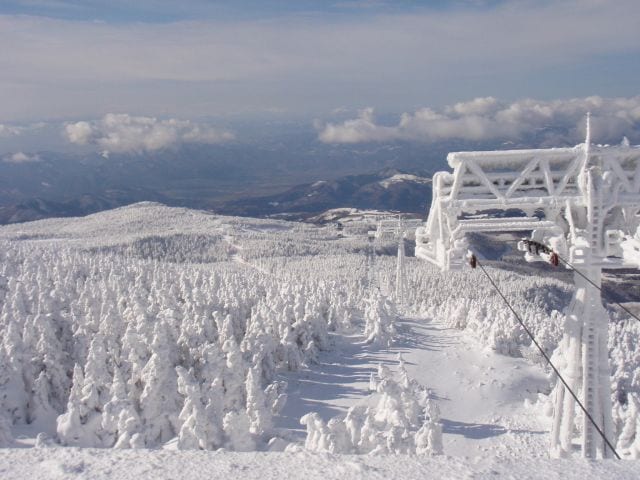
Zao's snow monsters peak in a narrow window — late January through late February — and the ropeway all the way to the summit runs ¥4,400 round trip for adults (the full four-section run). Most visitors treat Zao as a one-glance, one-photo stop, but the Zao Onsen area actually packs the ropeway sightseeing, a night light-up tour, downhill skiing, and a strongly acidic sulfur hot spring into one walkable hot-spring town. That is a genuinely rare combination — few places let you stack a natural spectacle, snow sports, and a serious soak into the same short trip. Here is whether it is actually worth combining all four, with the ropeway's verified fares and hours, what last season's light-up looked like, the ski resort's season length, and an honest note on what the 2026-2027 season has not published yet.
- Peak juhyo season: late January through late February; ropeway round trip to the summit is ¥4,400 for adults (officially verified, 2026)
- Night light-up dates are announced annually: last season (2025-2026) ran Dec 27-Feb 22; the 2026-2027 dates usually post in October-November — confirm before you travel
- Skiing and the onsen are worth building into the trip, not an afterthought: the ski season runs roughly mid-December to early May, and the hot spring is a strongly acidic sulfur bath (pH roughly 1.25-1.6)
- Budget at least 2 days/1 night, ideally 3 days/2 nights: squeezing the ropeway, skiing, the light-up and a soak into a single day rarely works
- The Yamagata Station to Zao Onsen bus is not covered by any JR Pass, and mountain signal is patchy — set up a compare the five Japan eSIM options before you land to check official updates on the go
Table of Contents (click to expand)
- The 3-in-1 combo: how to split ropeway, light-up, skiing and onsen
- The Zao Ropeway: routes, fares, operating hours
- Best time for snow monsters: why weather calls the shots
- The night juhyo light-up and snowcat tour
- Zao Onsen Ski Resort: season length and cost overview
- Zao Onsen's hot spring: soaking in a strongly acidic bath
- A working route: 2 days/1 night vs 3 days/2 nights
- Getting there and staying: Shinkansen plus bus, and the JR Pass math
- Beyond Zao: Okama, Yamadera, Ginzan Onsen
- FAQ
The 3-in-1 combo: how to split ropeway, light-up, skiing and onsen
Zao Onsen is, at its core, a town that packs three genuinely different kinds of travel — a natural spectacle, snow sports, and hot-spring recovery — into an area small enough to walk. Riding the ropeway to see the snow monsters is the daytime headline act, and it needs decent weather to pay off. The night light-up is a limited-season bonus that turns the same juhyo field into a completely different scene under colored light. Skiing is the main course for anyone who wants to move, across a season that runs nearly five months. The onsen is the wind-down — and the fallback when the weather doesn't cooperate. You don't need to do all four every day. My honest take: decide up front whether this trip is about the spectacle or the skiing, and let the other two or three fill in around it — trying to pack everything into every day just wears you out in the snow.
The Zao Ropeway: routes, fares, operating hours
The ropeway runs in two segments, and both matter for how much of the juhyo field you actually see:
- Sanroku Line (Zao Sanroku Station ⇔ Juhyo Kogen Station): the base-to-midpoint leg — you'll already see patches of frosted forest along the way.
- Sanchō Line (continuing to Jizo-sancho Station, roughly 1,661m elevation): the real core of the juhyo field, and where the classic "snow monster army" photos come from.
The official fare table splits the ride into two products. "Full run" means all four sections from Zao Sanroku Station to Jizo-sancho Station — the Sanchō Line is not sold on its own:
| Section | Fare type | One-way | Round trip |
|---|---|---|---|
| Sanroku Line (Zao Sanroku ⇔ Juhyo Kogen) | Adult | ¥1,200 | ¥2,200 |
| Child | ¥600 | ¥1,100 | |
| Full run (Zao Sanroku ⇔ Jizo-sancho, 4 sections) | Adult | ¥2,200 | ¥4,400 |
| Child | ¥1,100 | ¥2,200 |
Official operating hours are Sanroku Line 8:30-17:00, Sanchō Line 8:45-16:45, both explicitly marked "subject to change," with the last uphill departure around 16:00. This isn't boilerplate fine print — the ropeway suspends outright in strong wind or heavy snow, and the operator posts same-day operating status on its site. Check it before you go; don't assume it will be running. One more thing to watch for: the Sanchō Line typically closes for a few weeks of scheduled maintenance each spring (in past years, roughly early-to-mid May), leaving only the Sanroku Line running during that window — this rarely affects a winter trip, but late-spring travelers should double-check.
Best time for snow monsters: why weather calls the shots
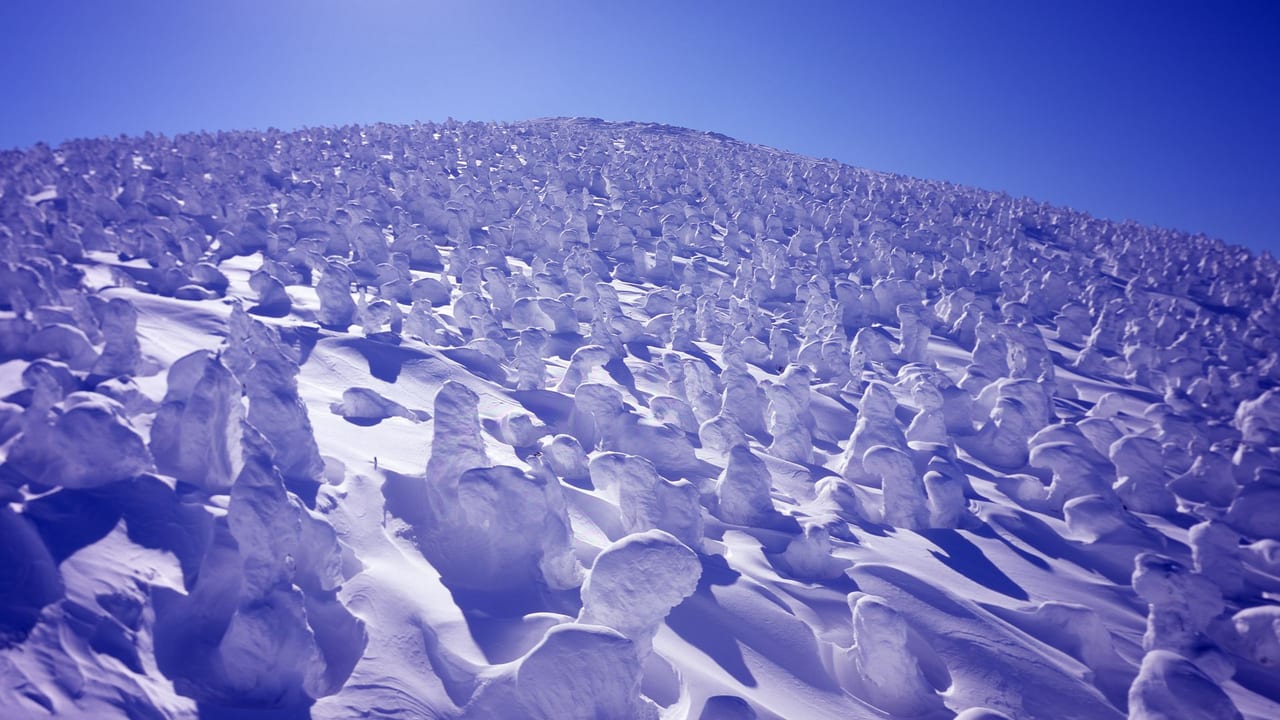
Juhyo reach "snow monster" scale because supercooled droplets carried in off the Sea of Japan slam into Aomori fir trees and freeze on contact, then get buried under repeated layers of snow — a natural process that needs sustained cold, strong seasonal winds, and heavy accumulated snowfall stacked together. The timing matters: December is usually still "half-formed," with only a thin coating of ice and snow; late January through late February is peak, when the shapes look most fully monster-like; by March they're already melting and losing their form. Because this is a weather-driven natural process, a mild winter or a low-snowfall year leaves the juhyo undersized — that has nothing to do with the ropeway's schedule or affiliate ticket availability; it's simply whether the winter cooperates. The most reliable move if you want the full spectacle is to target February and check the ropeway's official site or social accounts for recent summit photos a few days before you travel.
The night juhyo light-up and snowcat tour
Seeing the snow monsters by day is striking on its own; seeing them lit up after dark is a completely different experience — the ice takes on translucent blue and warm orange tones under colored light, and plenty of visitors make a second trip up the mountain just for that view. The dates, though, are not bookable yet: as of September 26, 2026, the newest line on the Zao Ropeway light-up page is still last season's sign-off that the event "concluded to great acclaim", and the 2026-2027 dates and nights are not on the page.
For reference only, going by last season's pattern (December 27, 2025 through February 22, 2026, 36 nights clustered around weekends and holidays, running nightly from 17:00 to 21:00, last uphill departure at 19:50, with the same ¥4,400 adult round-trip fare as daytime), it is reasonable to expect a similarly scaled light-up program each winter — but the official announcement for the exact next-season dates typically doesn't land until October or November, and this guide will update once it does. If your trip falls between late December and February, the odds of overlapping the light-up are decent, but confirm on the official site before you travel rather than building your itinerary around last season's calendar.
Light-up season also brings the Juhyo Genso Kairo tour (the "snow monster illusion corridor" night cruiser) — a specialized snowcat bus that drives into the juhyo field for a close-up look at the illuminated trees, a good option if you'd rather not trek through deep snow in the dark yourself. Based on last season's pattern, departures ran at 17:00, 18:00, 19:00 and 20:00, capacity was roughly 36 passengers per departure, and advance reservation was required, priced as a Sanroku Line round trip plus the night-cruiser bundle: ¥7,500 for adults, ¥6,000 for children (age 1 through elementary school). Whether 2026-2027 repeats the same structure and pricing is still pending official confirmation — call the ropeway operator directly (023-694-9518) or check the official site to see whether reservations have opened.
If you'd rather not gamble on getting through on a Japanese-language phone line, KKday lists a Juhyo Genso Kairo snowcat trip departing from Sendai at NT$3,732, with inclusions listed verbatim as air-conditioned coach, ropeway fare and snowcat fare — the ropeway and the snowcat are covered, meals are not. Three things to understand before you book. Bookable dates are scarce: as of September 26, 2026, the earliest date on offer was January 10, 2027, and January had only two dates at all, the 10th and the 30th (February was not checked for this update, so don't assume it opens up). You have to register a passport number when you book — the listing says so verbatim, to prevent unauthorised resale, and that the number is verified on the day of travel, so the person who books has to be the person who shows up. And the guide speaks Japanese only — there is no English or Chinese escort on this departure.
Also: Zao has two different "snow monster cruisers," and the product names don't tell them apart. One is the Yamagata-side night tour described in this section; the other is a Miyagi-side daytime cruiser that runs the juhyo field in daylight and has nothing to do with the light-up. Several listings sold as a snow monster cruiser are the Miyagi daytime one, so before you pay, check whether the meeting point is on the Yamagata or Miyagi side and whether the departure time is daytime or evening.
One more thing that trips people up when they go looking themselves: the official event name and the booking-platform product names don't line up. Searching Juhyo Genso Kairo, Zao juhyo or Zao Ropeway turns up nothing for this tour; searching for the snow monster cruiser wording is what actually surfaces it.
Zao Onsen Ski Resort: season length and cost overview
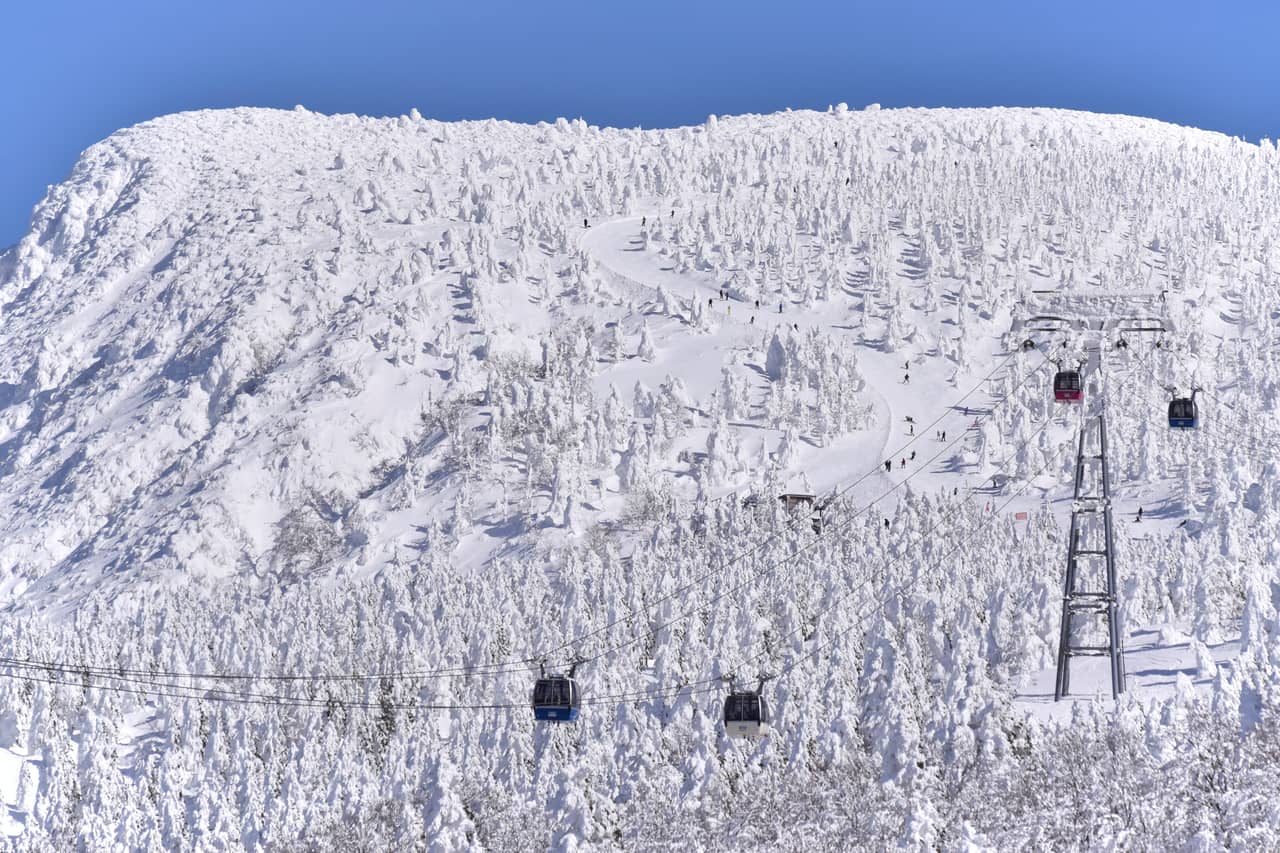
The resort's biggest advantage is how long its season runs — going by last season's (2025-2026, now concluded) operation, it opened around mid-December and stayed open as late as early May, nearly five months, longer than plenty of comparable resorts. Pricing runs across five tiers, and the spread is wider than most people expect. From the official rate card (2025-26 season, actual): Open/Final (the opening weeks and from April onward) ¥4,800, Spring (late March) ¥6,500, Regular (late December, early January to early February, mid-March) ¥7,500, Peak (Feb 10 - Mar 1) ¥8,000, and New Year (Dec 27 - Jan 4), the dearest at ¥8,500. That last tier corrects a common assumption: the most expensive days are not deep-winter January, they're the nine days over New Year — nearly 80% more than the closing-season rate for the identical ticket. If your dates are flexible at all, pushing the ski day past January 5 saves a full tier outright. Also worth knowing: the resort itself does not run gear rental — the official site only links out to 16 independent shops and publishes no prices, so you'll need to ask each one. ⚠️ Every figure above is 2025-26 actual; the 2026-2027 season dates and exact pricing have not been published yet (they typically post that fall), and reusing last season's numbers to book risks a mismatch. Confirm current pricing and snow conditions directly on the Zao Onsen Mountain & Snow Resort official site before you book.
If you just want a taste of snow activities rather than a serious ski trip, Zao Onsen Ski Resort has beginner-friendly gentle slopes and gear rental, and sits at a mid-size scale compared to Japan's top resorts. Its real advantage is that the same ropeway system serves both skiers and juhyo sightseers — ride the same lift down when you're done, and walk straight into the onsen town. If your trip is really built around a major resort in Hokkaido or Nagano and Zao is just a Tohoku side stop, check our Japan ski resort comparison guide first to see how Zao stacks up before deciding whether a ski day here is worth it.
Zao Onsen's hot spring: soaking in a strongly acidic bath
Once the ropeway ride and the skiing are done, the town's own hot spring is the real finale. Its water has real character — a strongly acidic sulfur spring, commonly cited in travel references at around pH 1.25-1.6, putting it among the most acidic hot springs in Japan, in roughly the same league as Akita's Tamagawa Onsen (widely regarded as Japan's most acidic, around pH 1.2). Expect a noticeable tingling sensation, milky water with a faint green tint, and a strong sulfur smell — locals market it as a "beauty bath."
The most local way to experience it is at the town's three historic public bathhouses — Kamiyu, Shimoyu and Kawarayu — cheap admission, no-frills facilities, the most direct way into the hardcore version of the sulfur bath (bring your own towel; these bathhouses typically don't sell toiletries). If your skin is sensitive, has any cuts, or was recently shaved, go easy — it stings more there. Ryokan-run baths in town mostly draw from the same acidic source but tend to temper it somewhat, so a hotel bath is the gentler option if you're worried about the intensity. One practical tip: the acidic water tarnishes metal jewelry, so take rings and necklaces off before soaking, and don't leave cameras or other gear exposed to the sulfur steam for long.
A working route: 2 days/1 night vs 3 days/2 nights
Fitting the ropeway, the light-up, skiing and the onsen into one trip comes down to realistic pacing. Pick whichever of these two matches your available time:
- 2 days / 1 night (tight version): Day 1 — arrive and check in at Zao Onsen, ride the ropeway to Jizo-sancho Station in the afternoon to see the juhyo field (pick a clear-weather window), head back to the onsen town toward evening, then go back up for the light-up if it's running, or just soak and rest if not. Day 2 — half a day of skiing in the morning (or one more ropeway ride to catch daytime juhyo detail you missed), then head down before noon to catch your onward transport.
- 3 days / 2 nights (relaxed version): Day 1 — arrive, check in, and take an evening soak to adjust to the altitude and cold. Day 2 — a full day of skiing (or, if skiing isn't your thing, the ropeway plus a walk through the onsen town instead), then the night-cruiser tour or a self-guided evening ropeway ride if the light-up is running. Day 3 — one more ropeway ride early, when the light is best and crowds are thinnest, then a final soak before heading down and out.
Either way, the key move is to put the most weather-sensitive activity — the ropeway ride to see the juhyo — in the middle of the trip rather than on the last day, so a storm-related shutdown still leaves you a backup day. Soaking or walking the onsen town is largely weather-proof and makes a good flexible filler for whatever day goes sideways.
Getting there and staying: Shinkansen plus bus, and the JR Pass math
Where to stay: the light-up runs into the evening and the last ropeway car is early, so a round trip from the valley floor eats most of a day — one night in Zao Onsen is close to mandatory. Ryokan on the onsen street fill early in peak season; if nothing is left, fall back to Yamagata or Sendai and day-trip up — compare Sendai hotels on Trip.com.
If Sendai is your base and you'd rather not chain the transfers yourself, GetYourGuide runs a Ginzan Onsen and Zao Ropeway day tour from Sendai (check the fare on the product page — it is priced in US dollars and moves with the exchange rate and platform promotions), meeting at 07:40 at the sightseeing bus bay outside the East Exit of JR Sendai Station. ⚠️ The product page is now titled around the Okama crater, not the snow monsters, so don't assume you clicked the wrong thing. Read these three things before you book, because they are what people get wrong:
- It is a guided tour, not a ropeway ticket. Coach transport, lunch and a guide are all in the price. If you only want the ropeway, buy that at the base station window instead.
- 🔴 The same listing sells year-round and the itinerary changes with the season, so book a winter departure. The operator's own page states that departures between April 26 and October 31 go to the Okama crater lake and fruit picking — and Okama is completely inaccessible in winter (see the next section for why). Book it as a generic "snow monster day tour" at the wrong time of year and you will get a day with no snow monsters in it.
- Do not assume it reaches Jizosancho, the summit station. The page says only that you "ride the ropeway up the mountain" and never names the segment — and the snow monster field is on the summit stage. Ask the operator before you book if that matters to you.
One more trade-off worth stating plainly: a same-day return to Sendai means giving up the evening light-up, which runs directly against the "stay in Zao Onsen itself" advice above. If you can get a room on the onsen street, take the room. This tour is the fallback for people who cannot.
The main route in is the Yamagata Shinkansen: the direct "Tsubasa" service from Tokyo to Yamagata runs about 2 hours 45 minutes; coming from the Sendai side, you'll also route through Yamagata Station. From Yamagata Station, it's a roughly 40-minute bus ride up to the Zao Onsen bus terminal, and from there it's a short walk to the ropeway station. One important note: the Yamagata Station to Zao Onsen bus leg is not covered by any JR Pass — budget for it separately rather than assuming a rail pass covers the whole route.
One naming tangle to clear up first: the JR East / South Hokkaido pass and the Tohoku-area pass are two different tickets, not two names for one — and the Tohoku-area version was withdrawn on March 13, 2026. What covers Yamagata now is the all-JR-East JR EAST PASS (¥35,000, five consecutive days). Whether it is worth it depends on how much ground your broader Tohoku trip covers — a single Tokyo-Yamagata round trip just for the snow monsters usually comes out cheaper on point-to-point tickets plus the bus fare; it's worth running the numbers with our JR Pass complete guide if you're stringing together Sendai, Morioka or even Aomori. For lodging, the simplest call is to stay in Zao Onsen itself — you get an evening soak, a head start on the ropeway before tour groups arrive, and no need to head down and back up again if you want the night light-up. The region sits in one of Tohoku's heaviest snowfall belts, so winter transit can run into weather-related delays on both buses and the ropeway — build slack into your schedule and don't book a tight connecting flight home. For cold-weather layering and gear, see our Japan climate and clothing pillar guide — Zao gets genuinely cold, and snow boots, waterproof gloves and hand warmers are not optional.
Beyond Zao: Okama, Yamadera, Ginzan Onsen
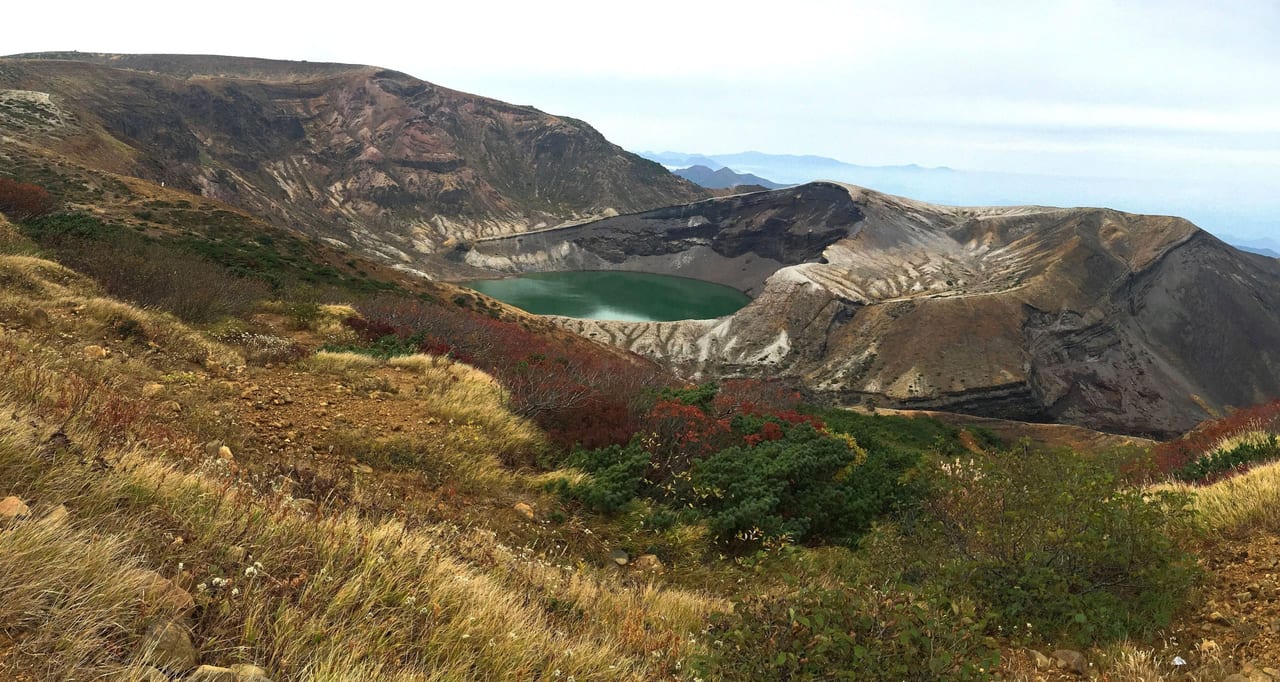
Let's clear up a common mix-up first: Okama, Zao's other headline crater lake, is not visible in winter at all — reaching this emerald-green lake requires the Zao Echo Line mountain road, which closes completely for winter and reopens only roughly from late April to early November, the exact opposite of juhyo season. If you're here in winter for the snow monsters, leave Okama off this itinerary and plan a dedicated summer or autumn trip for it instead — our Okama opening times and access guide covers the road season, the daily window and the buses on both sides. For the full year-round picture of Zao — including Okama and Yamadera — see our Yamagata Zao and Yamadera guide, which lays out the whole-year planning logic.
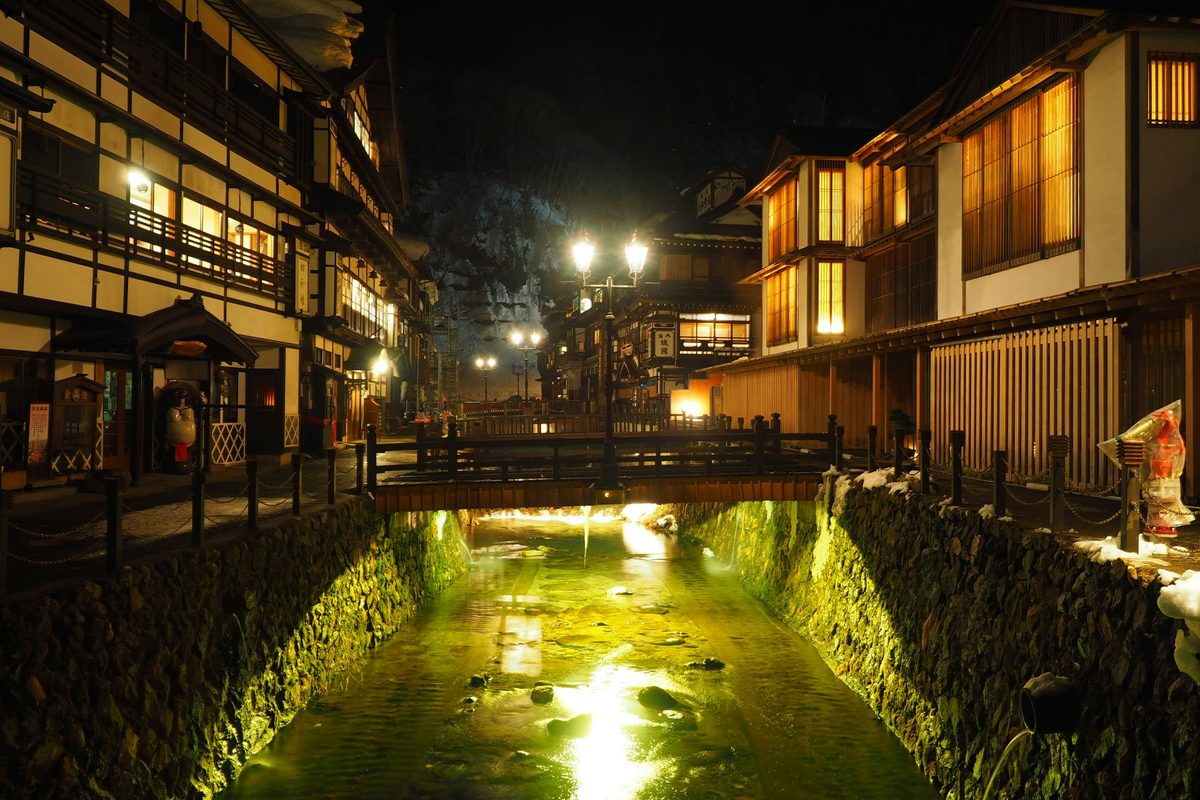
Two side trips that do slot naturally into the same winter visit are Yamadera (Risshaku-ji) and Ginzan Onsen — both work year-round and both sit conveniently along the way. Yamadera is about 20 minutes by JR Senzan Line from Yamagata Station, and its 1,015 stone steps lead up to a cliffside lookout that's worth a half-day on its own; Ginzan Onsen is roughly a 40-minute bus ride from Oishida Station, and its gas-lit wooden ryokan street under snow is one of Tohoku's most photogenic winter scenes — see whether to day-trip or stay overnight in our Ginzan Onsen day trip vs overnight guide.
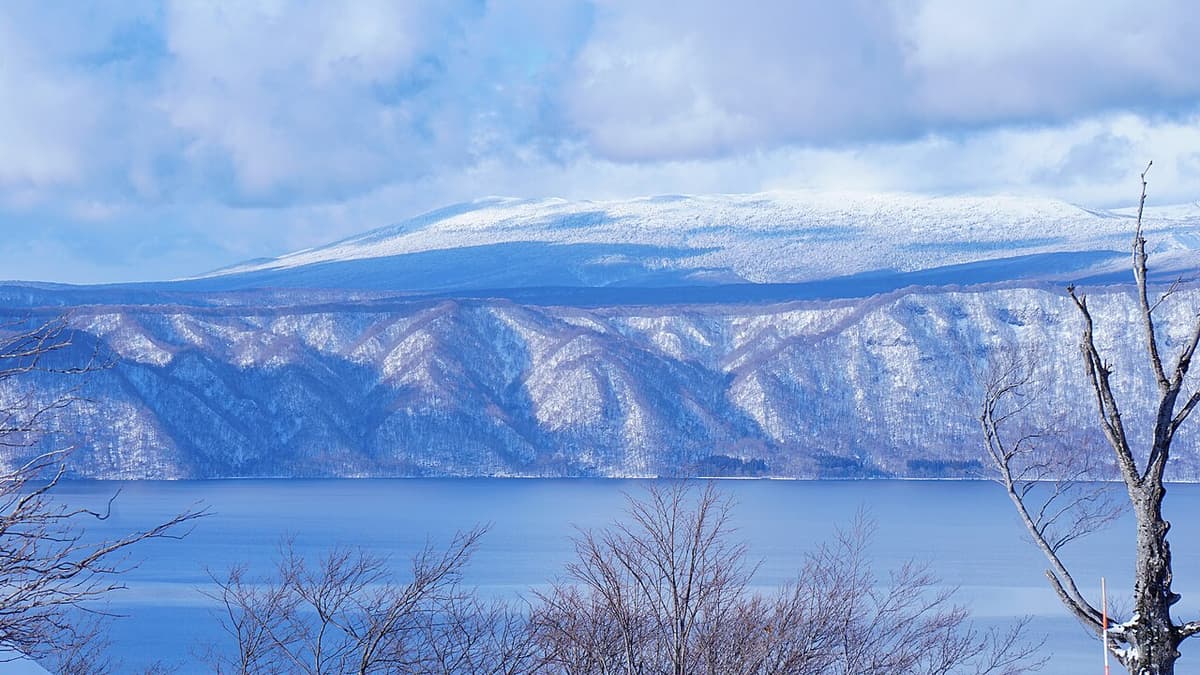
Another well-known juhyo (locally called "kigake") site in Tohoku is Mt. Hakkoda in Aomori — the ropeway experience and the science behind the ice formation are similar to Zao, though the terrain and views differ. If your trip already extends toward the northern tip of Honshu, our Aomori travel guide covers it and is worth a look for comparison. And if your Tohoku plans stretch as far as something on the scale of the Sapporo Snow Festival, know that the two are a completely different kind of trip — Zao is a slow-paced hot-spring-town-plus-natural-spectacle visit, while Sapporo's festival is a large urban winter event. They're better planned as two separate trips than crammed into one.
Zao Snow Monsters FAQ
- Q1:When are Zao's snow monsters at their best?
- Going by the ropeway operator's own information and the pattern most visitor reports agree on, peak season for the snow monsters (juhyo) is late January through late February. Juhyo forms when supercooled droplets blowing in off the Sea of Japan slam into Aomori fir trees and freeze on contact, then get buried under successive layers of snow — it takes sustained cold, strong seasonal winds, and heavy accumulated snowfall to build up to full "monster" scale. December is usually still "half-formed," and the shapes start melting and collapsing by March, so February is the safest bet. One honest caveat: this is a weather-dependent natural phenomenon, not a guaranteed sight — a mild winter or a low-snowfall year can leave the monsters undersized, so check the ropeway's official site for recent summit photos before you lock in your dates.
- Q2:How do I ride the Zao Ropeway, and what does it cost round trip?
- The ropeway runs in two segments: the Sanroku Line (Zao Sanroku Station to Juhyo Kogen Station) and the Sanchō Line (continuing on to Jizo-sancho Station at the summit). Per the official fare table, the Sanroku Line alone is ¥2,200 round trip for adults / ¥1,100 for children; the full run to Jizo-sancho Station (all 4 sections) is ¥4,400 round trip for adults / ¥2,200 for children. You need the full run to reach the dense juhyo field. Official hours are Sanroku Line 8:30–17:00, Sanchō Line 8:45–16:45 (both noted as subject to change), with the last uphill departure to the summit around 16:00. The site is explicit that operations suspend outright in bad weather — that is a real, published caveat, not an affiliate-availability issue.
- Q3:When does the 2026-2027 snow monster light-up (juhyo lightup) start?
- Not published yet. As of September 26, 2026, the newest line on the Zao Ropeway light-up page is still last season's sign-off, that the event "concluded to great acclaim" — the 2026-2027 dates are not on the page. Going by last season's pattern for reference only (December 27, 2025 through February 22, 2026, 36 nights clustered around weekends and holidays, 17:00-21:00 nightly, last uphill departure at 19:50, same ¥4,400 round-trip fare as daytime), the official announcement for the next season typically lands in October or November. If your trip falls between late December and February you have decent odds of overlapping the light-up, but confirm on the official site before you travel rather than assuming last season's calendar repeats.
- Q4:What is the Juhyo Genso Kairo night-cruiser tour, and is it extra?
- It is a light-up-season-only snow-vehicle tour that drives a specialized snowcat bus into the juhyo field for a close-up look at the illuminated snow monsters — a good option if you don't want to trek through deep snow yourself. Based on last season's (2025-2026) pattern, departures ran at 17:00, 18:00, 19:00 and 20:00, capped at roughly 36 passengers per departure, and required advance reservation, priced as a ropeway Sanroku Line round trip plus the night-cruiser bundle: ¥7,500 for adults, ¥6,000 for children (age 1 through elementary school) — pricier than the ropeway alone but it removes the risk of navigating deep snow in the dark yourself. Whether 2026-2027 repeats this structure and pricing is pending official confirmation; call the ropeway operator directly (023-694-9518) or check the official site to confirm reservations are open.
- Q5:How much does skiing at Zao Onsen Ski Resort cost, and how long is the season?
- Going by last season's (2025-2026, now concluded) operation, Zao Onsen Ski Resort opened around mid-December and ran as late as early May — one of the longer ski seasons in Tohoku. Adult one-day lift tickets ran across five tiers on the official rate card (2025-26 actual): ¥4,800 in the opening and closing windows, ¥7,500 Regular, ¥8,000 at Peak (Feb 10 - Mar 1), and ¥8,500 over New Year (Dec 27 - Jan 4) — the dearest tier, not deep-winter January as you might assume, a spread of nearly 80% top to bottom. Note too that the resort does not run its own gear rental; the official site only links to 16 independent shops and lists no prices. The 2026-2027 season dates and exact pricing have not been published yet (they typically post that fall), so this guide will update once they do — check zaomountainresort.com directly before booking rather than assuming last season's numbers still apply.
- Q6:What makes Zao Onsen's hot spring distinctive?
- Zao Onsen is a strongly acidic sulfur spring, commonly cited in travel references at around pH 1.25-1.6 — putting it among the most acidic hot springs in Japan, in the same league as Akita's Tamagawa Onsen (widely cited as Japan's most acidic, around pH 1.2). Expect a noticeable tingling sensation, milky water with a faint green tint, and a strong sulfur smell; locals market it as a "beauty bath." The onsen town has three historic public bathhouses — Kamiyu, Shimoyu and Kawarayu — with cheap admission and no-frills facilities, the most direct way to experience the hardcore version of the sulfur bath. If your skin is sensitive, ryokan-run baths usually dilute the water somewhat for a gentler soak. One practical note: the acidic water tarnishes metal jewelry, so take rings and necklaces off before you get in.
- Q7:How many days should I plan for ropeway, skiing and onsen together?
- Plan at least 2 days / 1 night, and ideally 3 days / 2 nights. A single-day round trip — say, from Sendai or Yamagata — is only enough for one activity: the ropeway to see the snow monsters, or an afternoon of skiing. Trying to cram all three into one day means rushing every one of them. A 2-day/1-night plan can fit the ropeway and juhyo field on day one plus an evening soak, then half a day of skiing on day two before heading down. A 3-day/2-night plan leaves room for the night light-up, a full ski day, and an unhurried soak, with buffer for transit on either end. See the itinerary section below for a fuller route.
- Q8:How do I get to Zao from Tokyo or Sendai, and do I need a JR Pass?
- The main route is the Yamagata Shinkansen (the direct "Tsubasa" service from Tokyo to Yamagata, about 2 hours 45 minutes), or via Sendai with a transfer. From Yamagata Station, it is a roughly 40-minute bus ride up to the Zao Onsen bus terminal — and that bus leg is not covered by any JR Pass, so budget for it separately. On passes, clear up a common conflation first: the JR East / South Hokkaido pass and the Tohoku-area pass are two different tickets, not two names for one — and the Tohoku-area version was withdrawn on March 13, 2026, so any guide still recommending it is out of date. What covers Yamagata now is the all-JR-East JR EAST PASS (5 or 10 consecutive days, not the old flexible pick-your-days format). Whether it pays off depends on how much ground your broader Tohoku trip covers — a single Tokyo-Yamagata round trip for the snow monsters usually comes out cheaper on point-to-point tickets plus the bus fare; stringing together Sendai, Morioka or Aomori is where the math starts to favor it, and you have to redo that math on the consecutive-day rules rather than reusing conclusions from the old flexible pass.
- Q9:Can I combine Zao's snow monsters with Okama Crater, Yamadera, or Ginzan Onsen?
- Not Okama — but Yamadera and Ginzan Onsen, yes. Okama is Zao's crater lake, and reaching it requires the Zao Echo Line mountain road to be open — that road closes completely for winter and reopens only roughly from late April to early November, the exact opposite of the snow monster season, so you cannot see both on the same trip. Yamadera (Risshaku-ji) and Ginzan Onsen work year-round and sit conveniently along the way — Yamadera is about 20 minutes by JR from Yamagata Station, and Ginzan Onsen is roughly a 40-minute bus ride from Oishida Station — both slot naturally into the same Tohoku winter trip. For the full year-round Zao picture including Okama and Yamadera, see our Yamagata Zao and Yamadera guide; for whether to day-trip or stay overnight at Ginzan, see our Ginzan Onsen day trip vs overnight guide.
- Q10:What happens if a snowstorm shuts down the ropeway or ski resort?
- This is a routine risk of winter travel in Tohoku, not a rare fluke. Both the Zao Ropeway and Zao Onsen Ski Resort post real-time weather-related suspension notices on their official sites — check each morning before you head out. On the itinerary side, schedule weather-sensitive activities like the ropeway and skiing in the middle of your trip rather than on the last day, so a shutdown still leaves you a backup day. Soaking in the onsen or walking the hot-spring town is largely weather-proof and works well as a flexible fallback. Set up reliable connectivity before you land so you can check official updates the moment they post — see the eSIM note below.
Read next
Zao & Yamadera Guide 2026: Snow Monsters, Okama & Onsen
Snow monsters in winter, the emerald Okama crater in summer — the ¥4,400 Zao Ropeway, strong-acid Zao Onsen, plus Yamadera's 1,015 stone steps. What to see and exactly when.
Ginzan Onsen Day Trip vs Overnight Stay 2026
By day it is crowded; the gaslight magic happens after sunset — day trip or overnight, and is the extra night worth it?
Best Ski Resorts in Japan 2027: Niseko vs Hakuba vs Nozawa vs Zao
The powder is world-famous, but each resort suits a different skier — snow, terrain, access and who each is for, in one table.