Nagasaki Lantern Festival 2027: Dates, Parades, Costs
The 2027 festival runs 5–21 February and both Emperor Parades fall after Taiwan goes back to work. Since 2026 the dates are fixed to the Gregorian calendar, not the lunar new year.

SEASONAL
Cherry blossoms, summer festivals, autumn leaves and snow: 147 guides sorted by season, with events on now or already over marked.
Photo: Guilhem Vellut / CC BY 2.0
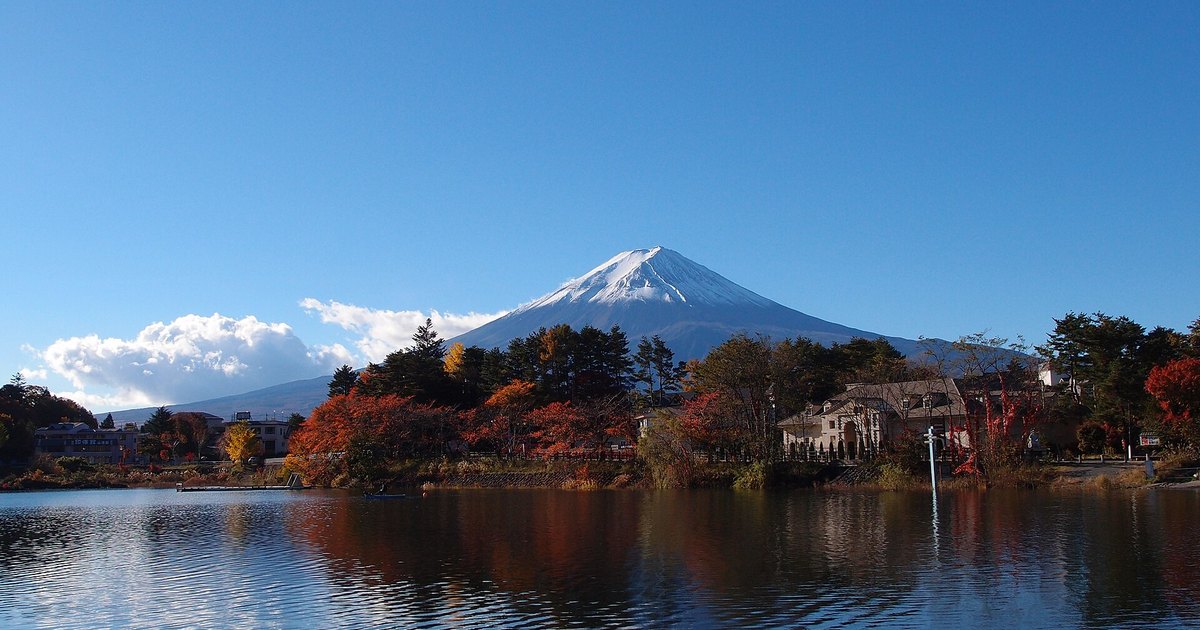
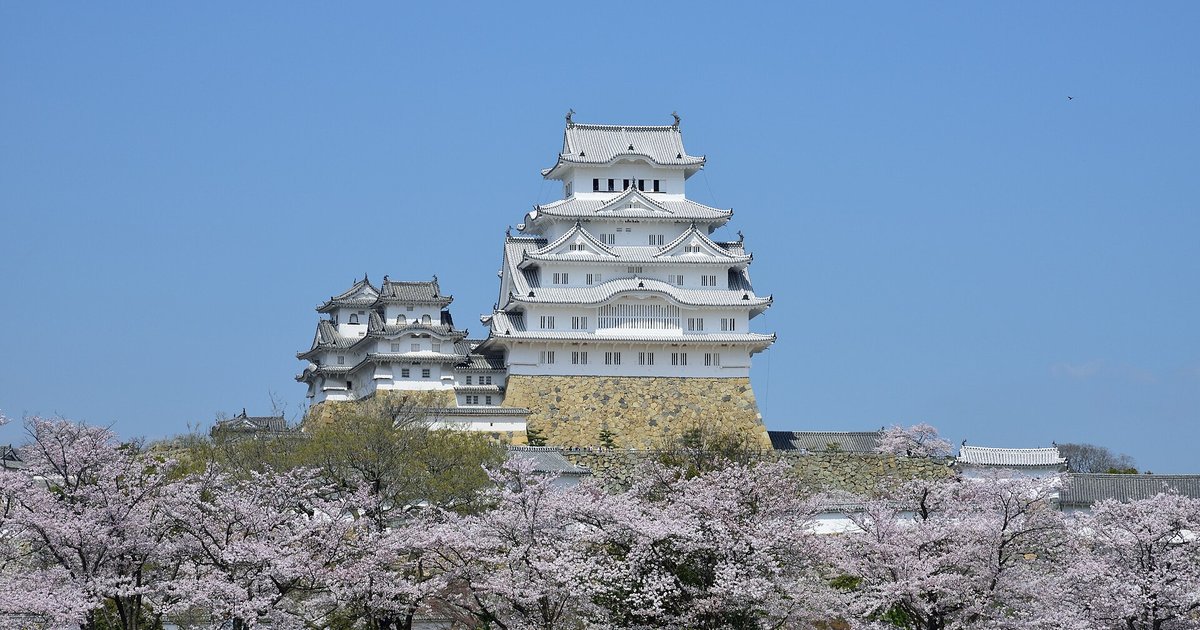
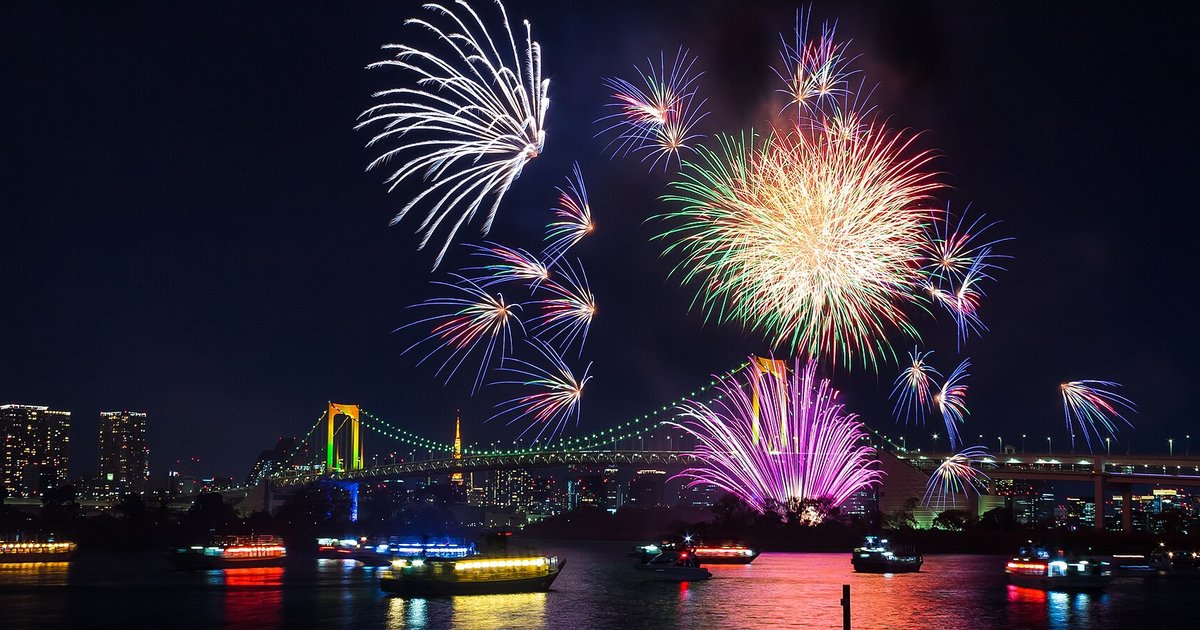
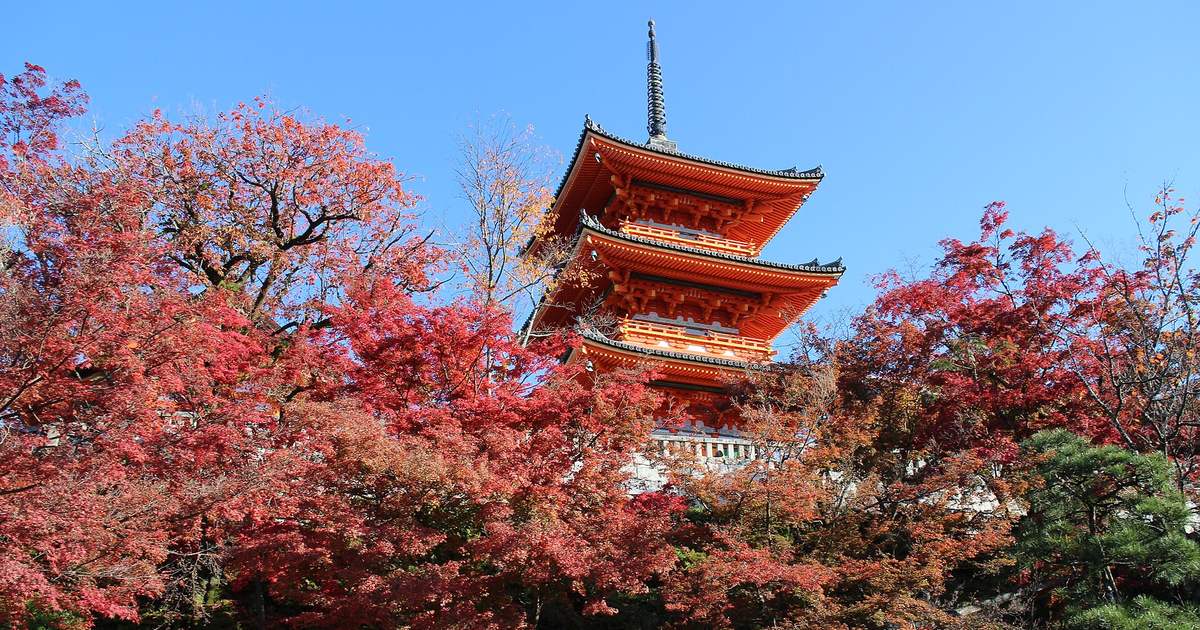
Photos: Spring: Seattleite7 (CC BY-SA 4.0) · Summer: Kakidai (CC BY-SA 4.0) · Autumn: Suicasmo (CC BY-SA 4.0) · Winter: くろふね (CC BY 3.0)
The 2027 festival runs 5–21 February and both Emperor Parades fall after Taiwan goes back to work. Since 2026 the dates are fixed to the Gregorian calendar, not the lunar new year.
The Furano-Biei Norokko made its last run on 23 Sept 2026. In 2027 the Kunpu no Oka express runs Asahikawa–Furano in June, then the new Aoi Hoshi from 1 July, twice daily. Plus Sapporo express, transfer and bus options.
15th-anniversary Horror Nights ran Sept 11–Nov 8; Resident Evil Requiem stays open to Dec 27. The 14-and-under maze ban, the new demand-based pricing, and the best day to go.
Snow monsters in winter, the emerald Okama crater in summer — the ¥4,400 Zao Ropeway, strong-acid Zao Onsen, plus Yamadera's 1,015 stone steps. What to see and exactly when.
A high-mountain route across the Northern Alps, mid-April to late November only — the Snow Walls, Kurobe Dam discharge and six transport modes.
Tokyo’s top suburban foliage: Akechidaira’s 4-in-1 composition, Irohazaka jam-avoidance, Tobu Nikko Pass math.
Four 2027 dates, 17:30–19:30, fully reservation-only.
The 46th edition opens Nov 20, 2026: Odori to Dec 25, Ekimae-dori to Feb 11, three more sites to Mar 14, a new January site at Nakajima Park, and the Munich market now next door in Odori blocks 1-2.
The same 10-year-old pays ¥1,600, ¥2,200 or ¥2,700 at three farms in one city, because each farm draws the adult line itself. Six things to ask before you go.
The October price rise skipped two of the gardens, so the one with the most maples is also the cheapest. The city peaks one to two weeks after Korankei — by early December, Korankei is bare.
One name, three completely different runs: 90 days overall, 59 nights on Midosuji, and just 15 for the Nakanoshima headliner. Midosuji goes dark on 31 December and Kobe waits until 29 January; here is what is still lit in January.
The address is Jozankei, the official site says about 60 minutes from the city — by car — and never mentions a train. Its Chinese page still shows last season prices.
December 25 has never been a public holiday in Japan, and December 23 stopped being one in 2019. Some illuminations end on the 25th; others run to May.
Kyoto crowds got you down? Minoo Falls, Katsuoji daruma slopes, and deer-and-maple Nara — routes and fees decoded.
Mifuneyama 2026 illumination dates are out — Kyushu foliage is scattered, so here is the drive-vs-rail verdict.
Nagoya-area top foliage spot: peak dates, night illumination, and the bus transfer decoded.
Lake Ashi peaks two weeks before Gora: an elevation-by-elevation timing table plus a Free Pass route.
Red-crowned cranes over Kushiro Marsh in winter, marimo algae balls and Japan's largest Ainu Kotan at Lake Akan, plus the ultra-clear Lake Mashu — the ¥2,700 marimo cruise and Dec–Feb crane feeding grounds.
Nagasaki's World Heritage abandoned coal island — its rise and fall, full history, the sea conditions for landing, booking and the digital-museum backup.
Region-by-region peak-forecast map from late-September Hokkaido to mid-December Kyushu, with itineraries and booking timing.
18 temple-by-temple foliage timings + crowd-avoidance tactics.
The viewing seat is up a third to 4,000 yen: postcard lottery postmarked Oct 19-22, counter sale Oct 31-Nov 3. Dangozaka itself is closed to non-ticket holders from 17:30.
Department stores now shut on Jan 1–2, Tokyo’s subways stopped running all night years ago, and every Nozomi is reserved-only over the holidays.
Tokyo Dome starts at 2,000 yen and Koshien outfield at 1,700. The real trap is the cheering blocks: the rules police what you wear and where you sit, both ways.
There is no official ume forecast and no "full bloom" observation at all — so the sakura playbook breaks. Here are the 30-year normals instead.
Okama opens in two layers: the Echo Line from April 24 to November 4, 2026, and the Highline 7:30–17:00, cut to 16:00 from October 13. Two buses, a free shuttle, the Katta Lift and the ropeway myth.
Runs Oct 17, 2026 to May 31, 2027 near Nagoya — ticket tiers, lighting times, the 200m light tunnel, both routes from the city and the last buses back.
They open when Kyoto is done — Hirosaki's petal raft, Goryokaku, Sapporo: late April to early May on average, earlier lately.
Fireworks at 20:00, one bus out at 20:20, 2027 dates not yet official: how to get in and where to sleep.
Snow falls on 44.5 days a year, but settles only 4.2. Best weeks, what to check, how long it lasts.
See Aomori's snow monsters in a day: book the winter bus, ride the ropeway, soak at Sukayu, catch the 15:03.
Lit Oct 22 to Apr 21, from 16:30 in Dec. No blue water in winter; the 18:05 last bus allows day trips to Feb.
Last train to Tokyo leaves Kawazu at 20:40, so night blossoms fit a day trip. Peak dates, trains, stays.
The floats exist to clear the road for the portable shrines, and the gods leave Yasaka Shrine for a week. Street stalls run two nights only, and both 2027 parades fall on a Saturday.
Marunouchi, Roppongi, Midtown and Omotesando are free; Yomiuriland and TOKYO MEGA ILLUMI charge, and MEGA ILLUMI, in its final season, is closed Dec 24-Jan 1.
While the mainland freezes, Naha averages ~17°C in January. Whale season, yanbaru hikes, early cherry blossoms and the off-season trade-offs, weighed.
Peak sakura lasts about 7 days and shifts a week each year. Using historical-average bloom dates and how to read the annual forecast: which week is safest, the one week to bet, and where to chase a late bloom.
Tokyo’s latest and grandest fall: 8 ginkgo and foliage spots + Mt. Takao day-trip + Tokyo Subway Pass math.
Main-festival year 2027: Shinkosai Sat 15 May, mikoshi parade Sun 16 May, a week later than usual and the same weekend as Sanja Matsuri. No seats, no sign-ups, no tickets; times and route due around mid-April.
Three winter trains, three unrelated booking systems: the Tsugaru stove train takes no reservations at all, the SL Fuyu no Shitsugen runs just 26 days this season, and the Sanriku kotatsu train sells whole boxes on weekends only, closing three days out.
Every guide still calls the winter lights "Kingdom of Light" — a name the park retired on 6 Nov 2026. And that "from ¥7,600" is a three-tier table, not dynamic pricing.
A spot-by-spot peak-timing table, Fujikaiyu vs highway bus math, and how to dodge the leaf-season crowds.
Sumida 7/25, Nagaoka 8/2–3, Suwa 8/15, Yodogawa shifted to 10/17 — ticket timing, hidden viewpoints, weather rules.
The organisers announced on 20 October 2026 that the 2027 edition will not hold the shingi scramble. Two men died after the 2026 edition; the external review covers 2028 onward.
The official line is 16 minutes by bus from JR Teine — but that gets you to Olympia, not Highland. And Olympia is shut for 52 days of the 166-day season.
A rental "set" means skis and boots, never outerwear. At Niseko for 2026-27 the jacket-and-pants hire costs more than the skis themselves.
Tokyo’s first snow falls later than Osaka’s on average, and Aomori gets 567cm a winter to Tokyo’s 8cm. The official 30-year normals, city by city.
Hokkaido's most family-friendly resort — three peaks, 14m of snowfall, plus an indoor amusement park and pool. Rusutsu vs Niseko, sorted.
Among Hokkaido's snowiest, with a season into May. Since 2023, Club Med and Yu Kiroro transformed its lodging — snow, hotels, access.
Osaka Castle + the Mint passage extra round (late cherries mid-April) + Okawa night cherries from a water bus.
The powder is world-famous, but each resort suits a different skier — snow, terrain, access and who each is for, in one table.
All the 2026-27 prices are out: the all-mountain pass has no half-day ticket and the Hirafu & HANAZONO pass does, and group lessons only run January to March.
A 10-resort valley, 1998 Olympics host, steep long terrain — an advanced playground, easiest from Tokyo by shinkansen.
Two bodies run Kyoto’s special openings for opposite reasons, which is why one shrine cost 800 yen in summer and 1,000 in autumn. The autumn window runs until 6 December.
The road opens April 17 and closes November 15, private cars are banned year-round, and the April 2026 fare rise makes most older guides wrong.
Zuiganji rose to ¥1,000 in April 2026 and closes at 16:00 in November. The 50-minute cruise, Entsuin’s Oct 24–Nov 23 illumination, oyster season and the station trap.
Official 2027 dates: Feb 4–11 across three sites. One evening only covers two — which to pick, when to dodge crowds, and why lodging needs booking now.
Aurora sails Jan 20–Mar 31, 2027; Garinko-go (Jan 15–Mar 31) is bookable now. Drift ice festivals: Abashiri Feb 6–7, Monbetsu Feb 11–14. When the ice actually arrives.
Scan your passport at a customs kiosk before bag drop. 12 steps, plus kiosk and cash machine locations at seven airports.
Naha's cherries open Jan 16 and peak Feb 4; March is too late. 2027 festivals, free shuttle, which spot.
Train riders skip the shuttle; drivers park at Taisho Roman-kan, book ahead and walk 10 min. Dec 19 to Mar 7.
Feb 10–14, 2027, free. Lanterns light at dusk, but the loop bus stops at 17:00. Getting back, where to stay.
The keep now returns to its base in March 2027, not November 2026, with steelwork around it and the inner moat still dry until FY2032.
Osaka Metro says in writing that it runs no all-night trains on New Year's Eve, and Keihan is the one genuine exception. Dotonbori's countdown was never cancelled — it never had an organiser.
Shibuya has cancelled its street countdown six years running, the city’s own event needs a November ballot, and the subways stop at their usual hour.
Chion-in’s bell is now a paid, pre-booked affair, city buses and subways do not run late on New Year’s Eve, and Keihan is your way home.
The first New Year since Shuri Castle’s main hall returned — 7:17 sunrise, Sefa-utaki closed for works, where the fireworks really are and what shuts.
The 52nd ice festival runs Jan 23–Mar 7, 2027. Ropeway fares and monthly hours, the 22-day November shutdown, ¥800 day-use onsen and the two-hour Asahikawa bus.
A free candlelit event with two venues — Canal reflections vs Temiya Line stalls, best timing, and how to pair it with the Sapporo Snow Festival.
Runs Jan 29–Feb 7, 2027. The light corridor is in Meriken Park’s paid area (¥500–1,500); two other sites are free. Tickets went on sale Nov 1.
Sapporo → Otaru → Biei → Hakodate over 7 days, with JR Pass math, how to reach the Furano slopes, and a real two-person budget.
Official 2026 counts: Tohoku beats Tokyo fourfold, Kyoto’s April is 92% cypress, Hokkaido is birch.
How the four crab species differ, where and when to eat them, plus ishikari nabe, fugu, oysters and warm sake — Japan's winter table, decoded.
The Naruto whirlpools (the ¥510 glass-floor Uzu-no-Michi or a boat), the real-vine Iya Kazurabashi bridge (¥550), the Oboke gorge cruise and summer's Awa Odori. Check the daily tide chart, and give the Iya interior a car and an overnight.
Six winter escapes within a day of Tokyo — Nikko snow, Chichibu ice pillars, GALA ski, Hakone onsen, Kawagoe and Kamakura, compared by time and highlight.
The station is the ski base — 71 min from Tokyo by shinkansen. The easiest day-trip skiing from the city, with timings and add-ons.
Jigokudani snow monkeys 2026–27: online tickets get priority December–April, the Nagano Station direct bus is now Ex24 at ¥3,000, plus Zenkoji’s pitch-black passage and Shibu Onsen.
Mt. Kurodake ropeway, Sounkyo basalt gorge, Jozankei — chase Japan’s earliest foliage in late September.
Buses run until Nov 11 from Aomori and Nov 17 from Hachinohe, then stop for winter. The 2026 timetable and fares, the reservation-only 2026-27 winter buses, and the 2027 car ban planned for Oct 25–31.
Snow monsters peak late Jan–Feb; the ropeway runs ¥4,400 round trip (verified). Is the light-up, skiing and onsen combo worth the trip?
Mornings were scrubbed 4 times in 20, afternoons 10 in 20 — counted from the official notices, and it was wind every time. Free entry, no ticket, but nothing left after 10:30.
Keyakidaira seats can be booked online from 7 October 2026, alongside the phone line. JR Pass holders get 10% off same-day tickets; 1–6 December runs to Sasadaira only.
Hokuriku's most underrated stop, 2h10 from Tokyo. From 1 October 2026 the Kurobe Gorge torokko runs the full line to Keyakidaira again; plus World-Heritage Gokayama and the Amaharashi coast.
The gods land Nov 18 and only leave Dec 4. Official 2026 dates, night ritual rules, three shrines on three calendars, and the Kamiarizuki-only goshuin.
Kamiari-sai 2026 dates are official — the gods land at Inasa Beach on Nov 18. Full schedule, night ritual etiquette, omamori picks and the four-clap ritual.
Japan's northernmost zoo, famous for behavioural exhibits — the winter penguin walk, the seal column tank and diving polar bears — plus Asahikawa ramen and a Biei combo, 1h25 from Sapporo.
2027 dates are not out yet; in 2026 Yoshida and Subashiri opened 1 July, Fujinomiya and Gotemba 10 July. Both sides charge ¥4,000 with opposite refund rules.
From Sendai through Ginzan Onsen, Zao snow monsters, Kakunodate and the Hirosaki/Yokote snow festivals — a 5-day core plus 7-day extension.
Opening day shuts the park until noon and the ceremony is invitation-only. The real deadline is the October 1 ticket release — and the English pages still quote pre-fire prices.
A townscape-protected cure town — a ¥1,500 pass for three open-air baths, the winter Yuakari lanterns, and reaching a village with no railway.
Six weeks of foliage across 600 km — 3-rental comparison, toll math, central-east loop.
Same picnic mat, five different answers — the line is who runs the land, not which park.
Tokyo late March, Kyoto and Osaka early April, Kawaguchiko early to mid-April, Hirosaki and Hokkaido mid to late April lately — best week and booking lead time for each.
Tokyo peaks late March and is the easiest to time — best hours for Meguro River, Chidorigafuchi, Shinjuku Gyoen, Ueno, plus a one-day route.
Kyoto peaks early April, later than Tokyo — Keage Incline, Philosopher's Path, Daigo-ji, Maruyama night cherries, and a Higashiyama day route.
The cherries + Mt. Fuji + pagoda postcard — Kawaguchiko blooms early to mid-April, later than Tokyo. Spots, best hours, and access.
Yokote's kamakura moved to February 12-13 for 2027, a four-year trial through 2029. Bonten stayed fixed on the 16th and 17th, so the overlap day is gone.
There are no paid grandstand seats — the organisers say so outright. Spring 2027 is confirmed for April 14–15, autumn runs every October 9–10, and rain cancels floats outright.
About 80 minutes from Ikebukuro by Laview: Hitsujiyama moss phlox, the wolf shrine at Mitsumine, Nagatoro line-down boats and Iwadatami, and the winter night festival.
The slopes open 1 Dec, the Ice Village not until 20 Dec and it shuts on 10 Mar. The 45-day gap is not symmetrical: December has the season-best frost rate.
Akizuki's black castle gate, samurai lanes and 500m cherry avenue are all free — verified fares from Fukuoka, castle seals, and whether the day trip is worth it.
Japan’s Top-100 foliage stream: reverse-walk strategy, Lake Towada cruise, JR East Pass math.
A GREEN×EXPO 2027 ticket has no QR code until you reserve a date, and all 192 days are now open to book — including dated paper tickets from any Japanese convenience store.
A free waterfall walk near Osaka — the trail is fully open again, plus Ryuan-ji in November and the Katsuo-ji combo.
The 2026 season calendar, night maples, and the actual teamLab status of Saga's 500,000 m² garden.
Ten indoor picks for a wet day: teamLab, Skytree, LaQua onsen, Pokémon Center — the plays that save a trip.
5.3 million nemophila blanket Miharashi Hill in spring, then kochia turns crimson in October. Bloom timing, tickets, access from Tokyo, plus Ibaraki day trips.
Fixed August 1-7 every year, so 2027 runs Sun 1 to Sat 7 August. Hirosaki Neputa parades at 10:00 in the morning on the final day — not at night.
Obon is not a public holiday and banks stay open by law — but the Nozomi drops its non-reserved cars and the expressway discount is switched off.
Fixed dates every August 2–7, so 2027 runs Mon 2 to Sat 7 August. Haneto dancers need no registration — seat prices and sales timing, costume rules and the Wa Rasse closure trap.
Golden Week, Obon and New Year double flight and hotel prices and jam the trains. Which to avoid, how to plan smart if you must, and the festivals only these dates offer.
The 14 km Oirase Gorge foliage walk (peak late Oct), Choshi Otaki falls, the double-caldera Lake Towada, and Hachimantai's snow corridor and Dragon Eye pond — with the access plan for a place with no train.
Winter Seishun 18 tickets go on sale 27 Nov for use from 11 Dec. Since the 2024 overhaul it is one person per ticket on consecutive days: the break-even per day, 3-day vs 5-day, how it compares with the JR Pass and overnight buses, and who should skip it.
Closed Oct 20–Nov 8, 2026, and the only way up once the road shuts on Nov 9 — hours, weather checks, night-view crowds and every way up by month.
The definitive skiing + onsen village — 13 free public baths, the fire festival, nozawana, easiest from Tokyo.
One Itoshima hut says bring your own beer; the shack down the pier bans it. Table fees, booking rules and closing dates all change from hut to hut.
Akagi and Yamanaka opened on 1 September with no ice on either lake, because that date is a legal fishing period. Ice access has no date at all — Lake Akan announced three days out and takes no bookings.
An alpine valley in the Northern Alps, one of Japan's loveliest mountain landscapes — Kappabashi, Taisho Pond, hiking routes, car-free and mid-April to mid-November only.
Three different entry deadlines, and from March 1 nothing is refunded — epidemic cancellation included. The last Kansai edition was the one the pandemic took.
Kumamoto's natural air-conditioner — 13°C summer water, the April–November season, rain closures, and how hard it is to get there without a car.
PM2.5 averages 8.4 and drew zero alerts in 2025. What Japan does issue alerts for is August photochemical smog.
238 injured and 13 killed in FY2025, 89 of them in October. But the ministry splits them 282 in inhabited areas against 172 in bear habitat — the spike was not on the trails.
There is no free-walk season on the ground trail. The three-period system, the ¥450 lecture, bear-season tours, and the 14:00 late-autumn cut-off, all verified for 2026.
Swimming with humpbacks is off the table in Kerama, yet boats out of Naha sell it the same winter. The line is drawn by two village associations, not by law.
Last year, buses from Hakonemachi Port back to Hakone-Yumoto stopped for four and a half hours. Road windows, bus suspensions, station entry limits, and a longer restriction that has nothing to do with the race.
Tokyo's easiest highland escape, 60 minutes by Hokuriku Shinkansen — Kumoba Pond reflections, Shiraito Falls, the Prince outlet, Hoshino-area churches and Harunire Terrace.
Only five years since the last one, because the Nagano chamber of commerce petitioned for it. Ticket tiers were redrawn in April 2026 and the site everyone quotes still shows 2022 prices.
Renting a car in snow country isn't enough — studless tires, 4WD, chain zones, whiteouts, roads to skip, plus insurance and JAF rescue.
What starts on 1 July is a static display; the floats only move for six days. Oiyama begins at 4:59am with road closures from 1:00 — and the organisers name their own highlight elsewhere.
A 97m drop, a round-trip-only ¥600 elevator, and blue ice in January. The 55-minute cruise loop links two embassy villas and Tachiki Kannon — and only one Nikko pass gets you there.
Weather cancels your Japan flight and the airline owes you only its own next seat. ANA vs JAL rebooking windows, and who pays for the hotel.
A delay refunds the express surcharge only, never the base fare. But a one-hour departure delay also qualifies if you give up the trip.
The free Fuji-and-flowers spot on Kawaguchiko — official bloom calendar, lavender and kokia timing, and access.
From 21 May 2026 the Nozomi all-reserved blocks expanded to eight, and 21-23 November joined the list — the first Labor Thanksgiving weekend ever with no non-reserved seats. The maples are not out yet either.
There is no official deadline for hatsumode, and you may pray from the side when it is packed — both straight from the Shinto authority itself.
The castle itself tells you to go to Ritsuunkyo, the mountain opposite. It also shuts from 4 Jan, and no bus runs in December at all.
Setsubun is not fixed to February 3 — it landed on the 2nd in 2021 and 2025. The observatory has published 2027, and it is the 3rd.
The park refuses to publish a fixed admission price: it is decided early on the day itself, within a published band. Only the winter night light-up is fixed.
Disney Halloween 2026 runs Sept 16–Oct 31 at both parks. Full costume is limited to two windows, peak Saturdays hit ¥12,400, and the villains parade DPA is ¥3,500 — pick the right date and park.
Hanasaki crab peaks in summer, not winter — Nemuro’s season runs July to late September, plus the Aug 22–23 festival and where Sapporo serves teppo-jiru.
Nara's Temple of Flowers — the 399-step covered stairway, National Treasure stage, peony season, and a direct 50-min express from Osaka.
The pagoda-and-Fuji postcard after 398 steps — 2026 festival cancellation, timing, and access.
The birthplace of Japanese porcelain — Arita ware, the Golden Week ceramics fair, the Okawachiyama secret kilns, plus the skin-softening Ureshino Onsen, Karatsu Castle and Yayoi-era Yoshinogari. An easy day from Fukuoka.
About 57 minutes from Tokyo on the JR Yokosuka Line — the Great Buddha you can step inside, Hasedera in hydrangea season, and the Enoden out to Enoshima.
The willow-lined town where you stroll between seven public baths in a yukata. The Yumepa pass, snow-crab season, the ropeway, and access from Kyoto and Osaka.
A highland resort 70 min north of Tokyo: the Mt. Chausu ropeway, the split Sessho-seki stone, the Shika-no-yu bathhouse, Animal Kingdom and farms — and why you need the bus or a car.
Akita's little Kyoto of Tohoku — the black-fenced samurai district, 162 weeping-cherry natural monuments, the riverbank cherry tunnel and Japan's deepest Lake Tazawa.