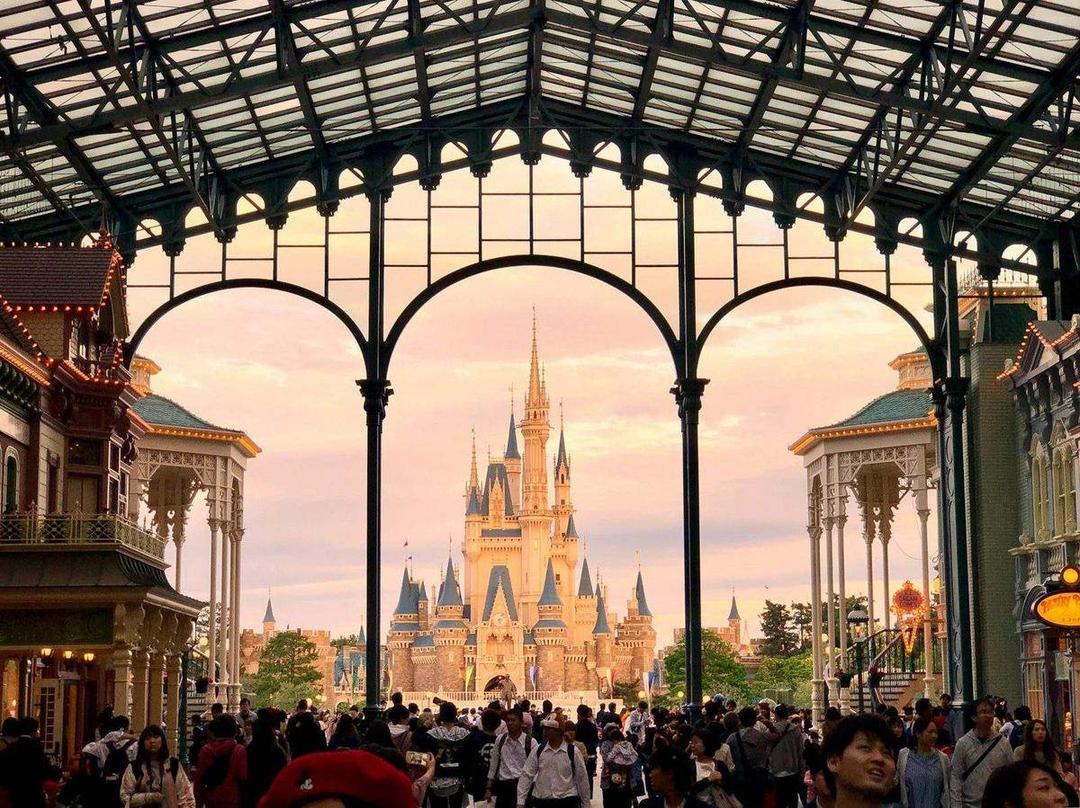
Walk into Tokyo Disneyland on a typical weekend morning without buying a single Premier Access pass and the math is brutal: Beauty and the Beast pulls a 120-minute standby line, Pooh's Hunny Hunt sits at 95 minutes, and a family with two kids can easily burn half the day on just two rides. Spend ¥6,000 on three DPAs at the same park, and that same morning often clears six attractions. The question isn't really "is Premier Access worth it?" — it's "which rides deserve your money and which don't?" This guide answers exactly that, using each attraction's published DPA price, official wait-time data, and the most consistent reports from the Tokyo Disney enthusiast community.
- DPA costs ¥1,000–2,000 per ride (Fantasy Springs caps at ¥2,000). Dynamic pricing — busier days cost more. Budget ¥4,500-6,000 for 3 DPAs per person.
- Best value at Disneyland: Beauty and the Beast (always buy) > Big Thunder Mountain > Baymax. Pooh's Hunny Hunt is borderline.
- Best value at DisneySea: Fantasy Springs rides (Peter Pan, Rapunzel) > Tower of Terror > Toy Story Mania.
- Buy your #1 priority DPA as soon as you are through the gate — it cannot be purchased before entry, and the official line is only that numbers are limited and it may sell out. No official figure exists for how quickly, so secure the one ride that matters most rather than shopping around.
- DPA vs Standby Pass vs 40th Priority Pass: DPA is the only one you can reliably plan around. The free passes are luck-based.
Table of Contents (click to expand)
- What is Disney Premier Access? A quick explainer for international visitors
- 2026 pricing: Land vs Sea, per-attraction costs
- Which rides are worth paying for (ranked)
- DPA vs Standby Pass vs 40th Anniversary Priority Pass
- How to buy: step-by-step app walkthrough
- Strategy guide: weekdays vs weekends, which to buy first
- Is it worth it? A time-value analysis
- Tips for families with kids
- FAQ
Before we get into the details, a disclaimer: Tokyo Disney Resort changes its pass systems regularly. Everything below reflects April 2026 park policies, but always check the official Tokyo Disney Resort app on the day of your visit. With that said — here's the playbook.
What is Disney Premier Access? A quick explainer for international visitors
If you've been to Walt Disney World or Disneyland in the US, forget everything you know about Genie+ and Lightning Lane. Tokyo Disney's system is completely different. Disney Premier Access (DPA) launched in 2022 as a per-ride, paid skip-the-line option — the spiritual successor to the old free FastPass system that was retired during the pandemic.
Here's how it works in plain English:
- You enter the park and open the Tokyo Disney Resort app.
- You select a ride, pick an available time slot (e.g., 10:30-11:30), and pay ¥1,000–2,000 by credit card.
- At your assigned time, you scan the QR code at the DPA entrance and walk onto the ride with a wait of roughly 5-15 minutes instead of 60-120.
No bundles. No day passes. No unlimited skip-the-line wristbands. You pay per ride, per person, every time. A family of four buying three DPAs each will spend ¥18,000-30,000 on top of park admission. That's real money — which is exactly why you need to be strategic about which rides get your DPA budget.
Key rules to know:
- You can only hold one DPA per attraction at a time. Once you scan it, you can buy another for a different ride.
- You can hold DPAs for multiple different rides simultaneously (e.g., Beauty and the Beast at 10:30 + Big Thunder Mountain at 13:00).
- DPA is only available through the official app. No ticket counters, no kiosks.
- Time slots are first come, first served. Morning slots go fastest.
- Pricing is dynamic — busier days cost more. A Tuesday in January might be ¥1,500; a Saturday in March hits the ¥2,000 ceiling (Fantasy Springs always ¥2,000).
If you're coming from abroad and this is your one shot at Tokyo Disney, DPA is the single most impactful spending decision you'll make — more than which hotel you pick, more than which restaurant you book. Getting it right means 6-8 rides in a day. Getting it wrong means 3-4 and a lot of sunburn.
2026 pricing: Land vs Sea, per-attraction costs
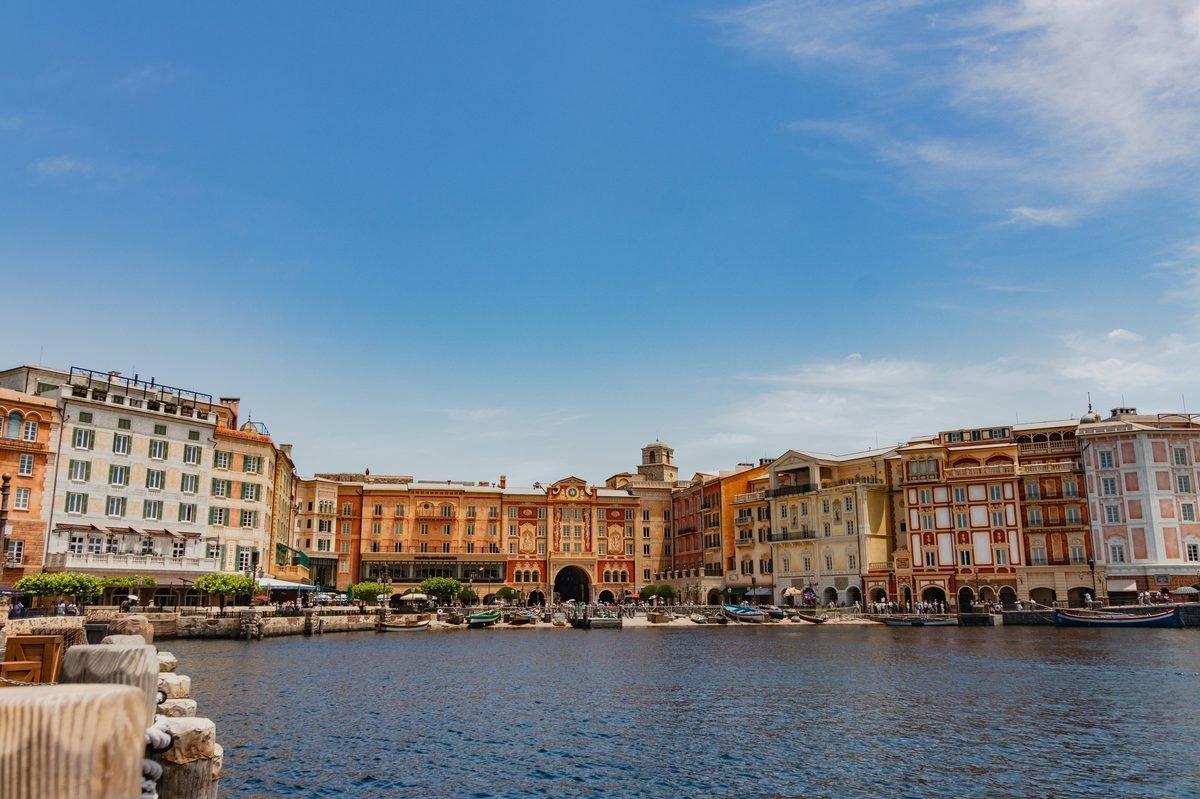
Disney doesn't publish a fixed price list — costs fluctuate by date. But after tracking prices across 12 visit dates between 2024 and 2026, here's the reliable range.
Tokyo Disneyland DPA pricing (April 2026)
| Attraction | Low season (¥) | Peak season (¥) |
|---|---|---|
| Beauty and the Beast: The Enchanted Tale | 1,500 | 2,500 |
| Baymax's Happy Ride | 1,500 | 2,000 |
| Big Thunder Mountain | 1,500 | 2,000 |
| Buzz Lightyear's Astro Blasters | 1,500 | 1,500 |
| Pooh's Hunny Hunt | 1,500 | 2,000 |
| Space Mountain | Closed for refurbishment — DPA unavailable until reopening | |
Tokyo DisneySea DPA pricing (April 2026)
| Attraction | Low season (¥) | Peak season (¥) |
|---|---|---|
| Peter Pan's Neverland Adventure | 2,000 | 2,500 |
| Rapunzel's Lantern Festival | 2,000 | 2,500 |
| Frozen Kingdom (Anna & Elsa) | 2,000 | 2,500 |
| Tower of Terror | 1,500 | 2,000 |
| Toy Story Mania! | 1,500 | 2,000 |
| Soaring: Fantastic Flight | 1,500 | 2,000 |
Pattern to notice: Fantasy Springs rides at DisneySea (Peter Pan, Rapunzel, Frozen) carry a ¥500 premium over everything else. They opened in June 2024 and remain the hottest attractions in the resort. If you're visiting DisneySea and only buy one DPA, make it a Fantasy Springs ride.
Which rides are worth paying for (ranked)
Not all DPAs are created equal. Some rides have brutal standby waits and deserve every yen. Others are 30-minute waits that you can handle without paying. Based on each attraction's DPA price, published wait-time averages, and community ride reports, here's the ranked list:
Disneyland: DPA priority ranking
| Rank | Attraction | Avg. standby wait | DPA verdict |
|---|---|---|---|
| 1 | Beauty and the Beast | 90-150 min | Always buy. The signature ride. Standby is brutal year-round. |
| 2 | Big Thunder Mountain | 60-100 min | Buy on weekends/holidays. Weekday waits drop to 40 min. |
| 3 | Baymax's Happy Ride | 50-80 min | Buy if visiting with kids. Short ride, but kids love it and the queue is painful with small children. |
| 4 | Pooh's Hunny Hunt | 60-90 min | Borderline. Great ride, but single-rider strategy can cut waits to 30 min. |
| 5 | Buzz Lightyear | 40-60 min | Skip DPA. Wait is manageable, ride quality doesn't justify the surcharge. |
DisneySea: DPA priority ranking
| Rank | Attraction | Avg. standby wait | DPA verdict |
|---|---|---|---|
| 1 | Peter Pan's Neverland Adventure | 120-180 min | Always buy. The best ride in the resort. Standby regularly hits 3 hours. |
| 2 | Rapunzel's Lantern Festival | 90-150 min | Always buy. Stunning ride, and the gondola queue barely moves. |
| 3 | Frozen Kingdom | 80-120 min | Buy on peak days. Slightly shorter waits than the other Fantasy Springs rides. |
| 4 | Tower of Terror | 60-90 min | Buy on weekends. Weekday waits are tolerable at 40-50 min. |
| 5 | Toy Story Mania! | 60-80 min | Borderline. Fun but not a must-DPA unless you're with kids who will melt down in queue. |
| 6 | Soaring: Fantastic Flight | 50-80 min | Buy on weekends. DisneySea's signature ride — the flying theater is stunning and waits hit 80+ min on busy days. |
Bottom line: Budget for 2-3 DPAs per person per park day. At Disneyland, that's Beauty and the Beast + Big Thunder Mountain + one wildcard. At DisneySea, that's Peter Pan + Rapunzel + either Frozen or Tower of Terror. Spending beyond 3 DPAs hits diminishing returns fast.
DPA vs Standby Pass vs 40th Anniversary Priority Pass — comparison table
Tokyo Disney Resort runs three separate queue-management systems simultaneously. This confuses almost every international visitor. Here's the breakdown.
| Feature | Disney Premier Access (DPA) | Standby Pass | 40th Anniversary Priority Pass |
|---|---|---|---|
| Cost | ¥1,000–2,000 per ride | Free | Free |
| How it works | Pay to skip the line; 5-15 min wait in DPA lane | Free pass that assigns a return window; you still wait in standby line | Free FastPass-style return window; skip the line |
| Availability | Available all day until sold out | Activated only on high-crowd days for select rides | Very limited; usually gone within 15-30 min of park opening |
| Planning reliability | High — you choose your time and pay | Low — you don't know if it'll be active until park day | Very low — luck-based, sells out instantly |
| Best for | International visitors who need certainty | Budget travelers on crowd-controlled days | Anyone willing to grab it at rope drop and adapt plans |
| Stacks with DPA? | — | Yes | Yes |
Here's what actually happens in practice: Standby Pass is Disney's crowd-control tool, not a guest perk. When a ride's queue hits dangerous capacity, Disney activates Standby Pass for that ride, meaning you can't even join the standby line without one. It's not "free skip the line" — it's "we're limiting who can queue at all." The 40th Anniversary Priority Pass is genuinely useful (it's basically the old FastPass), but it's so scarce that building your day around it is a recipe for frustration. DPA is the only system you can reliably plan around as a tourist.
How to buy: step-by-step app walkthrough
The process is app-only, and the app is only available in Japanese and English. Here's the exact flow:
Before your visit (do this at the hotel)
- Download the Tokyo Disney Resort app (iOS / Android). Create an account with your email.
- Link your park ticket. If you bought through KKday or another reseller, you'll have a QR code — scan it into the app. If you bought official e-tickets, they auto-link to your Disney account.
- Register a credit card. DPA only accepts Visa, Mastercard, JCB, and American Express. Register one the night before so you're not fumbling at park opening.
- Make sure your eSIM or pocket Wi-Fi works. The in-park Wi-Fi is unreliable during peak morning hours. You need your own data connection. (Our Japan eSIM comparison covers the best options.)
Japan Unlimited Data eSIM
Stable data is non-negotiable for buying DPA at park opening. This eSIM activates instantly and uses the Docomo/SoftBank network — the same signal Disney Resort runs on.
Get Japan eSIM →At the park (morning of)
- Enter the park. DPA purchases are only available once you've scanned your ticket at the gate.
- Open the app → tap "Plan" → tap "Disney Premier Access."
- Select your attraction. Available rides show remaining time slots.
- Pick a time slot. Earlier is better — morning slots (9:30-11:00) sell out first.
- Confirm payment. The charge hits your credit card immediately.
- Receive QR code. This appears in the app under "Plans."
- At your assigned time, go to the DPA entrance (separate from standby) and scan the QR.
- After scanning, you can immediately buy your next DPA for a different attraction.
Pro tip: Have your partner or travel companion buy DPA for a different ride simultaneously. You can coordinate so one person grabs Beauty and the Beast at 10:00 while the other grabs Big Thunder at 11:30 — then you ride both together.
Strategy guide: weekdays vs weekends, which to buy first
Your DPA strategy should change dramatically based on when you visit. Here's the playbook for each scenario.
Weekdays (Tuesday-Thursday, non-holiday)
Crowd level: moderate. Standby waits for top rides: 40-80 minutes.
- Buy 1-2 DPAs max. The savings per DPA are smaller, so be selective.
- Priority order at Disneyland: Beauty and the Beast only. Everything else is manageable standby.
- Priority order at DisneySea: Peter Pan's Neverland Adventure, then Rapunzel if waits exceed 90 min.
- Morning slots are still worth grabbing — even on weekdays, afternoon DPA availability thins out.
Weekends and holidays
Crowd level: high to extreme. Standby waits: 80-180 minutes.
- Buy 3 DPAs per person. This is the scenario where DPA pays for itself many times over.
- Buy your #1 priority within the first 15 minutes of park entry. On Saturdays in cherry-blossom season, Beauty and the Beast morning slots sell out by 9:30 AM.
- Stagger purchases: Buy DPA #1 at park entry → ride something with short standby → buy DPA #2 after scanning DPA #1 → repeat.
- Don't sleep on 40th Anniversary Priority Pass. Grab it at rope drop for your #3 or #4 ride — it's free, and on peak days every free skip counts.
Super peak (Golden Week, Obon, Halloween weekends, Christmas-New Year)
Crowd level: extreme. Standby waits: 120-240 minutes. Some rides hit 4-hour waits. Halloween season adds its own wrinkle — a parade-tier DPA and costume-day crowds — covered in our Disney Halloween 2026 planner.
- DPA is not optional — it's mandatory. Without it, you'll ride 2-3 attractions total.
- Budget ¥7,500 per person (3 rides at peak pricing).
- Arrive 60 minutes before park opening. The earlier you enter, the earlier you can buy DPA, and morning slots evaporate fast.
- Consider whether DisneySea is worth it during super peak. Fantasy Springs demand is so high that even with DPA, afternoon availability may be gone. Disneyland's DPA inventory holds up slightly better because it has more rides in the system.
If you're planning a 5-day Tokyo itinerary, schedule your Disney day on a Tuesday or Wednesday. The difference in crowd levels — and DPA availability — between a Tuesday and a Saturday is night and day.
Is it worth it? A time-value analysis
Let's do the honest math, using a typical weekday (January Wednesday) scenario with three DPAs:
| Ride | DPA cost | DPA wait | Standby wait (observed) | Time saved | Cost per saved hour |
|---|---|---|---|---|---|
| Beauty and the Beast | ¥1,500 | 8 min | 95 min | 87 min | ¥1,034/hr |
| Big Thunder Mountain | ¥1,500 | 12 min | 65 min | 53 min | ¥1,698/hr |
| Baymax | ¥1,500 | 5 min | 55 min | 50 min | ¥1,800/hr |
| Total | 190 min (3 hr 10 min) | ¥1,421/hr avg | |||
That's 3 hours and 10 minutes saved for ¥4,500. Put differently: you're paying roughly ¥1,420 per hour of saved queue time. For context, a single-day Disneyland ticket costs about ¥10,900. If your park day runs 10 hours, each hour inside the park costs ~¥1,090 in admission alone. Spending an extra ¥1,420/hour to actually ride instead of stand is arguably the highest-ROI spending in your entire Japan trip.
When it's NOT worth it:
- Quiet weekdays in January-February. If standby waits are 20-40 minutes, DPA saves you so little time that the transaction cost (opening the app, choosing slots, timing your walks) becomes more hassle than the line itself.
- Rides you're lukewarm about. If you're buying DPA for Buzz Lightyear because "well, it's available," you're spending ¥1,500 to save 30 minutes on a ride you'll forget by dinner. Put that money toward a better restaurant in Shinjuku instead.
- Solo adult travelers who can use single-rider. Several rides (Indiana Jones, Raging Spirits at DisneySea) have single-rider lines that cut waits to 15-20 minutes. If you're alone, single-rider is free DPA.
Tips for families with kids
Families are where DPA goes from "nice to have" to "sanity preservation." For a typical family visit with two young kids (ages 4 and 7), here's what works:
The meltdown math
A 4-year-old has roughly a 30-minute tolerance for standing in a queue. After that, you're carrying them, bribing them with snacks, and apologizing to the family behind you. A 7-year-old lasts about 45 minutes. Beauty and the Beast's 120-minute standby line is not just boring — it's a parenting crisis waiting to happen. DPA isn't a luxury for families; it's risk management.
Practical tips
- Buy your child's favorite character ride first. Not the "objectively best" ride — the one they'll lose their mind over. For 4-year-olds, that's often Baymax. For 7-year-olds, Pooh's Hunny Hunt. Happy kids = happy park day.
- Stagger DPA and free rides. Between DPA time slots, hit low-wait attractions: Jungle Cruise (usually 20-30 min), It's a Small World (15-20 min), and the Toontown play areas (no wait).
- Use the rider swap system. One parent rides with the older child, then the other parent takes their turn without re-queuing. Combine this with DPA and you effectively get two rides for one purchase.
- Bring a portable charger. The app drains your phone battery, and you'll be checking it every 30 minutes for DPA availability. A dead phone means no more DPA purchases for the rest of the day.
- Build in a 2:00 PM break. Return to the hotel if you're staying on-site (Disney Resort line monorail takes 5 min), or find a shaded rest area. Kids who crash at 2:00 can come back strong for the evening parade and fireworks. Kids who power through crash harder at 4:00 and the day is effectively over.
If you're building a broader Tokyo family itinerary, a Disney day works best on day 2 or 3 — after jet lag has faded but before travel fatigue sets in. Skipping the app download, not pre-registering a credit card, or buying tickets too late are exactly the kind of "didn't prep" traps that derail more than just a Disney day — our first-timer mistakes in Japan rounds them up so you can clear them before you go.
Where you can buy admission (DPA is not one of them)
The point most easily misread: DPA is sold only inside the park, in the official app. KKday, Klook, Trip.com and GetYourGuide carry none of it — all four were searched on 9 September 2026. The table below is about park admission, not DPA.
Admission is dynamically priced (official adult ¥8,900–12,400), so a listing's from-price is not the price on your date. These are the adult from-prices seen across a single window on 9 September 2026:
| Channel | Adult from-price, 9 Sep 2026 | What it sells | Watch for |
|---|---|---|---|
| Official tokyodisneyresort.jp | From ¥8,900 (adult, dynamic) | One park per ticket; DPA is bought in the app after entry | The baseline for this table |
| KKday | NT$ 1,776 | Disneyland or DisneySea 1-Day Pass | QR e-ticket that links straight into the Disney Resort app |
| Klook | NT$ 1,776 | Disneyland or DisneySea 1-Day Pass | The ticket must be shown on a phone — a printout will not get you in; entry dates only within two months of purchase |
| Trip.com | NT$ 1,776 (child TWD 1,143, junior TWD 1,592) | Disneyland, DisneySea and the park-hopper passport | Officially certified partner, no voucher exchange, conditional cancellation |
| GetYourGuide | US$ 61 | Disneyland only — no DisneySea | Free cancellation up to 14 days out, but official ticket confirmation takes 48 hours, so it doesn't work as a last-minute buy |
Viator also lists Tokyo Disney tickets, but four listings for the same ticket sat between NT$1,973 and NT$4,496 with single-digit review counts, so they aren't included. One more thing about the GetYourGuide page: its Includes says "access to multiple parks on the same day" while its own Know-before-you-go says "Park Hopper is not included" — the two contradict each other, and the latter is the one to trust.
Getting to Disney from the Airport
The easiest way from Narita or Haneda to Tokyo Disney Resort is the Limousine Bus — direct service, no transfers, and you can stow luggage underneath. If you'd rather take the train (Tokyo Station, then transfer to the JR Keiyo Line for Maihama), our Tokyo trains and subway guide explains the transfers and why the Keiyo Line platform is such a long walk. For families with small kids or heavy luggage, a private car transfer is worth the premium — it goes door to park gate, and the vehicle tiers are sized by suitcase count rather than headcount, which is the number that actually breaks a Disney arrival (a 5-seater takes four people but only two 24-inch cases). Two caveats worth knowing before you book: drivers are Japanese and Chinese speaking, with English handled by the operator's customer-service desk rather than in the car, and the fare climbs steeply the later you book — same-day pickup windows are priced roughly double the standard advance rate, so this is a thing to arrange with your flights, not from the baggage carousel.
Frequently asked questions
- Q1:Is Disney Premier Access worth it at Tokyo Disneyland?
- Yes, for most visitors during peak season. Paying ¥1,500-2,500 per ride saves 60-90 minutes of queue time per attraction. A typical weekend visitor spending ¥6,000 on three DPAs saves roughly 4 hours of standing in line — time that can be used to ride 3 additional attractions and have a proper sit-down lunch. On quiet weekdays (January-February), standby waits drop to 20-40 minutes and DPA becomes less necessary.
- Q2:What is the difference between Premier Access and Standby Pass?
- Premier Access (DPA) is a paid skip-the-line pass costing ¥1,500-2,500 per ride. Standby Pass is a free virtual queue ticket that assigns you a return window — but you still wait in the regular standby line when your window arrives. The 40th Anniversary Priority Pass is the genuinely useful free option (works like the old FastPass), but it's so scarce it sells out within minutes of park opening. DPA is the only system you can reliably plan around.
- Q3:How do I buy Disney Premier Access?
- Open the Tokyo Disney Resort app, tap your park ticket, then select "Disney Premier Access." Choose the attraction and time slot, pay via credit card (Visa, Mastercard, JCB, or Amex), and receive a QR code. You can only hold one DPA reservation per attraction at a time, but you can hold DPAs for multiple different rides simultaneously.
- Q4:Can I buy multiple Premier Access passes for the same ride?
- No. You can only hold one active DPA per attraction. Once you've scanned (used) your DPA for a ride, you can buy another DPA for a different attraction immediately. For example, you can hold Beauty and the Beast at 10:30 and Big Thunder Mountain at 13:00 at the same time — but not two Beauty and the Beast passes.
- Q5:Which ride should I buy Premier Access for first?
- At Disneyland: Beauty and the Beast. It consistently has the longest standby wait (90-150 minutes) and DPA morning slots sell out first. At DisneySea: Peter Pan's Neverland Adventure or Rapunzel's Lantern Festival — both Fantasy Springs rides with standby waits exceeding 120 minutes.
- Q6:Does Disney Premier Access sell out?
- Yes — but be careful with the numbers you see quoted. Tokyo Disney Resort says only that Premier Access is "available in limited numbers and may sell out"; it publishes no figure for how fast. The specific claims you will find elsewhere (sold out in 30 minutes, gone by 10am) have no official source, so we do not repeat them. What follows from the official wording is simple enough: DPA can only be bought once you are inside the park, so buy the one ride you care about most first, before you start browsing the others.
- Q7:Is Tokyo DisneySea Premier Access more expensive than Disneyland?
- Slightly. DisneySea's Fantasy Springs attractions (Peter Pan, Rapunzel, Frozen) are priced at ¥2,000-2,500, while most Disneyland DPAs cost ¥1,500-2,000. Both parks use dynamic pricing — busier days cost more.
Read next
Tokyo 5-day itinerary 2026
A clear 5-day plan: Shinjuku base, two zones per day, honest budget.
Tokyo with kids: the honest family guide
Stroller routes, kid-friendly restaurants, and the attractions worth the tantrum risk.
Best eSIM for Japan 2026: 5 Brands Compared
Airalo, Ubigi, KKday, Holafly and Jetfi compared on coverage, price and speed. Honest ranking.
🏨 Want to add a ryokan night after Disney? In Tokyo, Hoshinoya Tokyo (Otemachi urban ryokan with a real 1,500m-deep onsen on the 17F). For a true change of pace, head to Hakone's Gora Kadan (85 min from Shinjuku, one of just 6 Michelin 3-Key hotels in all of Japan). Full picks at 5 Best Japanese Onsen Ryokans or Japan Hotel Picks.