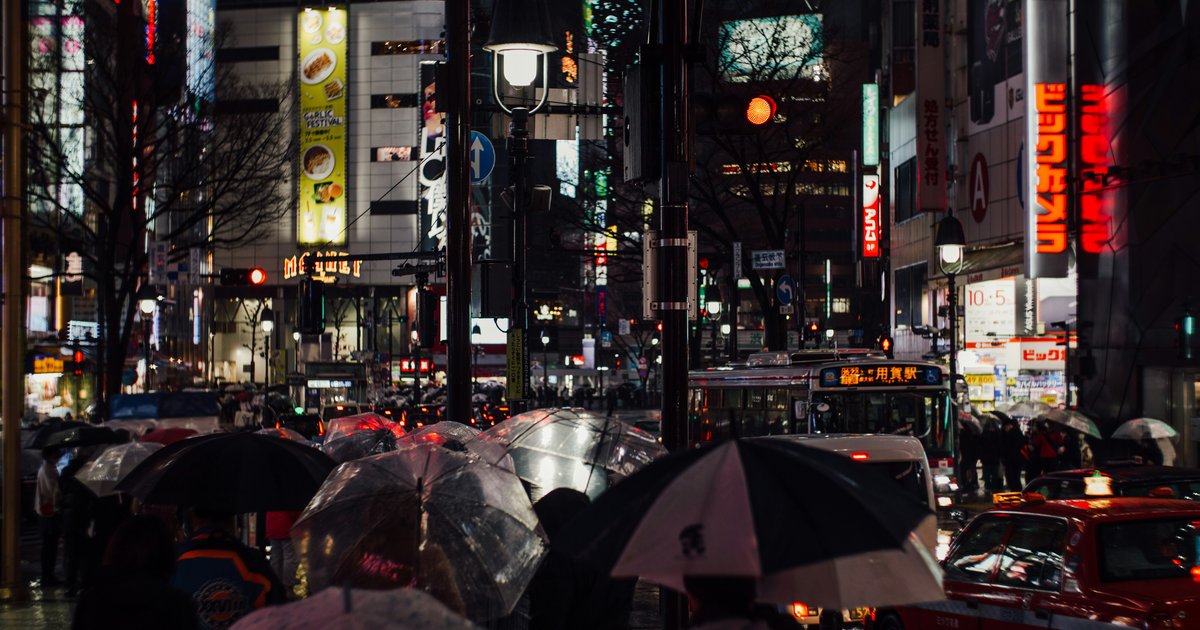
Tokyo's June plum-rain season turns half of every itinerary into a Google Maps panic — "indoor, open, not a shopping mall" is a surprisingly hard filter to apply when you've already landed. This guide is the spreadsheet that should have existed before that scramble: ten indoor spots in Tokyo you can link on one subway line, with honest pricing, queue times, and a family-friendliness rating. The framing isn't "where to hide from the weather." It's which places are better in the rain — the ones where overcast skies, fogged-up windows, and reflective pavement actually earn their keep.
- Top three for any rainy day: teamLab Planets (Toyosu), Tokyo Skytree (Oshiage), Ghibli Museum (Mitaka). All 100% indoor; all reward overcast weather.
- Families win at: Sunshine Aquarium (Ikebukuro), Sanrio Puroland (Tama Center) — 🚨 Miraikan is shut for refurbishment October 1, 2026 to April 22, 2027, so plan around it for that half-year.
- Grown-up reset: LaQua onsen (Suidobashi), Tokyo National Museum (Ueno), Pokémon Center Mega Tokyo (Ikebukuro).
- Food backup plan: Tokyo Station Ichibangai + Daimaru basement — two hours of food stalls without ever touching an umbrella.
- Pass you actually need: Tokyo Subway 24-hour pass at ¥1,000 (post 2026-03-14 hike) — breaks even on four stops, only sold to foreign passport holders.
Ready to go? Get your Tokyo Subway Pass →
Table of Contents (click to expand)
- Rainy-day strategy: plan the line, not the spot
- 1. teamLab Planets TOKYO (Toyosu)
- 2. Tokyo Skytree (Oshiage)
- 3. Ghibli Museum, Mitaka
- 4. Sunshine Aquarium (Ikebukuro)
- 5. Sanrio Puroland (Tama Center)
- 6. LaQua at Tokyo Dome City (Suidobashi)
- 7. Tokyo National Museum (Ueno)
- 8. Miraikan — National Museum of Emerging Science (Odaiba) — closed Oct 1, 2026 to Apr 22, 2027
- 9. Pokémon Center Mega Tokyo (Ikebukuro)
- 10. Tokyo Station Ichibangai + Daimaru Depachika
- Which spot is right for you? The comparison table
- Three 1-day rainy routes that actually flow
- Rainy-day survival tips: umbrellas, shoes, Wi-Fi
- FAQ
Rainy-day strategy: plan the line, not the spot
Tokyo's indoor density is something you don't appreciate until you need it. Nearly every major subway station opens into a department-store basement, which connects to a restaurant arcade, which connects to another subway line. This honeycomb was built, largely, for tsuyu — seventy years of engineering around Japan's rainy season. The operating principle for a rainy-day itinerary follows from that:
- Cluster your stops on a single subway line. The Ginza Line alone strings together Ueno (Tokyo National Museum), Asakusa (Senso-ji's indoor arcade), Nihombashi (Mitsukoshi), Ginza, and Shibuya — five hours of rain-proof content.
- Choose stations with proper underground mazes. Tokyo Station, Ikebukuro, Shinjuku, and Shibuya all have labyrinthine basement connections into their surrounding department stores. You can walk 1-2 km without surfacing. (If you're unsure which operator runs which line and how transfers work, our Tokyo trains and subway guide lays out the JR / Metro / Toei map.)
- Budget extra time for the long stops. teamLab, aquariums, and major museums each eat 2-3 hours. On a rainy day, three of these fill your schedule — don't try to also cram in an outdoor shrine.
Every spot below meets one specific rainy-day requirement: the station-to-door walk is 2 minutes or less, ideally under cover. Each is flagged with a rain rating from ⭐⭐⭐ to ⭐⭐⭐⭐⭐ — five stars means "this is genuinely better in the rain," three means "dry and indoors but nothing special."
1. teamLab Planets TOKYO (Toyosu)
Rain rating: ⭐⭐⭐⭐⭐ · Ticket: ¥3,600–4,800 · Time needed: 2.5 hours · Station: Shin-Toyosu (Yurikamome Line), 1-minute covered walk
If you're only going to do one indoor thing in Tokyo during a downpour, make it teamLab Planets. The exhibition is designed around immersion — you take off your shoes at the entrance, roll up your pants, and wade through knee-deep water lit from below by projected koi fish that scatter when you move. The flower room is wall-to-wall projection; you lie on the floor and the ceiling becomes a mirror of a field. The whole point is to get your feet wet, which makes it the rare Tokyo attraction where the external weather is completely irrelevant.
What actually changes in the rain is the crowd. On a dry Saturday, expect a 60-90 minute queue even with a timed ticket. On rainy days, walk-up lines often drop to 15-20 minutes; the flower room and rolling-orb spaces — typically packed shoulder-to-shoulder — frequently host fewer than ten people at a time. For photography, rain is a structural advantage.
Three things worth knowing before you go:
- Buy ahead. Walk-up tickets are rare and expensive. Digital tickets through resellers like KKday save ¥100-300 versus the on-site price.
- Wear loose, rollable pants. One exhibit has water to mid-calf. Tight jeans are miserable.
- It is still in Toyosu. As of August 2026 the official teamLab page is still titled TOKYO, Toyosu — the widely repeated claim that it moved to Toranomon in late 2025 does not match the operator's own site, so do not plan around a different district. Our teamLab Planets versus Borderless comparison covers which venue suits you, and the Toyosu Market tuna auction is walkable from the same station if you want a full morning out of the trip.
Reserve teamLab Planets tickets → Discounted vs the official site
2. Tokyo Skytree (Oshiage)
Rain rating: ⭐⭐⭐⭐ · Ticket: 350m+450m combo ¥3,000+ · Time needed: 2-3 hours · Station: Oshiage (Hanzomon/Asakusa Line), underground connection
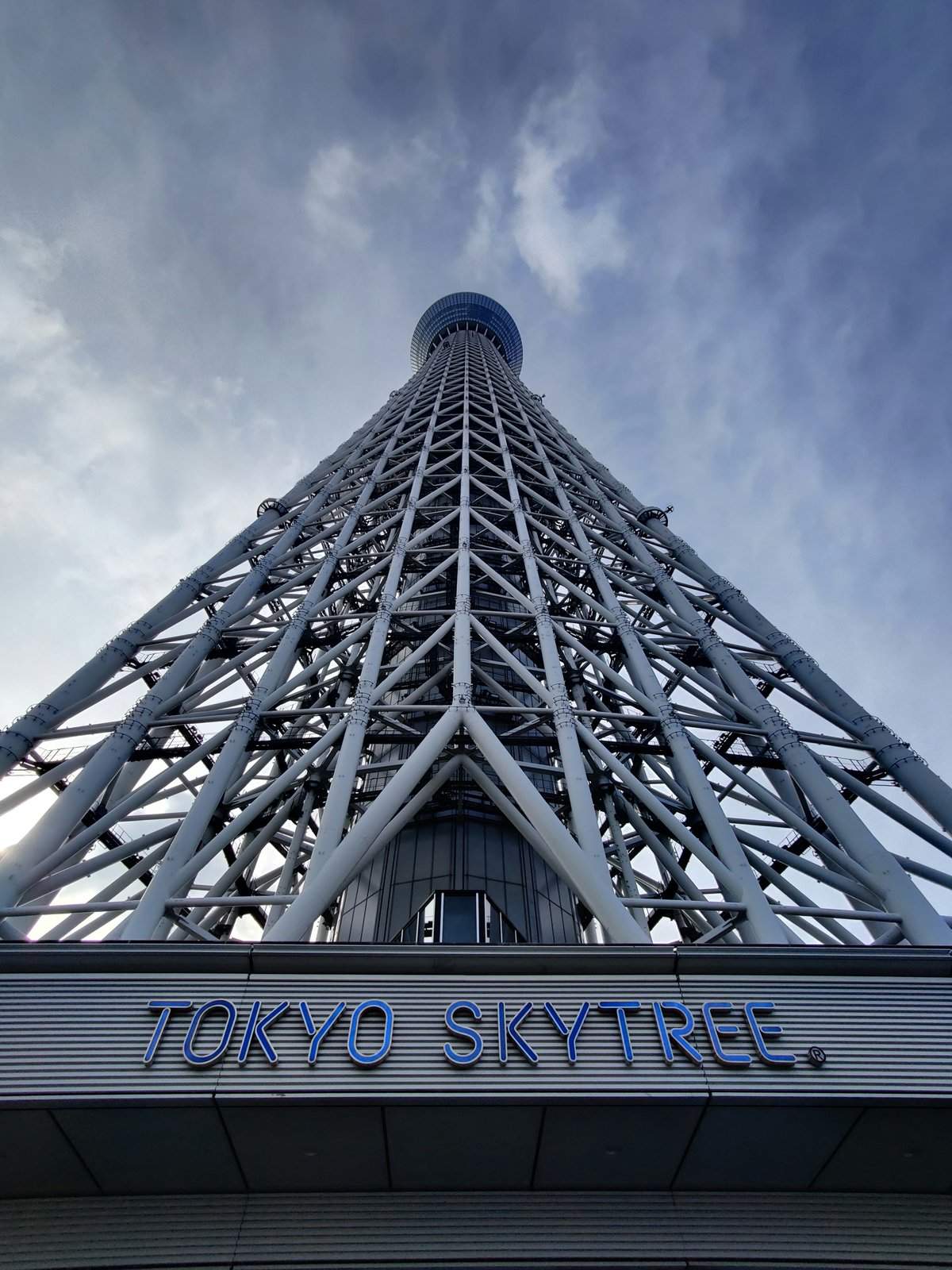
Get the ticket structure right before you budget. Skytree does not publish a price table — the official page shows a from-price and pushes the actual number into the booking calendar, which moves by date and time slot. So the old "¥2,100–3,100" band you'll still see quoted around the web is a retired weekday/weekend two-tier scheme, not the current system. Buying at the 4F counter or ticket machine also adds roughly ¥500 per ticket in issuing fees, so booking online is the base price, not a convenience premium.
The conventional wisdom — "don't go up Skytree if it's cloudy" — is lazy. Tokyo's stratus cloud deck typically sits between 300 and 500 meters. The Tembo Deck sits at 350 meters, and the Tembo Galleria reaches 450. On a rainy day, there's a decent chance you're looking out from above the cloud layer, with the tower's spire punching through a white ocean that glows orange at sunset. Those are the photos you can't get in blue-sky weather.
A wet weekday afternoon is the quietest window travellers consistently report: shorter queues at the photo spots and far less competition for window seats at the Musashi Sky Restaurant than a clear weekend brings. The Skytree Town complex at the base includes Solamachi (300+ shops across three levels), the Sumida Aquarium, and Japan's largest planetarium — enough to fill the rest of your day without stepping outside. From Oshiage Station you can connect directly to the Tobu Skytree Line and head back to Asakusa without opening your umbrella.
If this is your first Tokyo trip, anchor it with our Tokyo 5-day itinerary and slot Skytree onto whichever day the forecast looks grim.
3. Ghibli Museum, Mitaka
Rain rating: ⭐⭐⭐⭐ · Ticket: ¥1,000 · Time needed: 2.5 hours · Station: JR Chuo Line (Mitaka), 15-min walk or shuttle bus
Ghibli Museum tickets go on sale at 10:00 Japan time on the 10th of the prior month, and the museum window sells nothing at all — you cannot wing it. What people forget is that once you have a ticket, the museum itself is completely weather-proof. A Totoro-painted shuttle bus runs from Mitaka Station for ¥230 one-way (children pay just ¥50 by IC card), which beats the 15-minute walk in any rain heavier than a drizzle — though note it does not run on closed days. Inside, the basement theatre screens Ghibli shorts shown nowhere else, but only one viewing per person. Full booking rules, the seven entry slots and the fifteen-day November 2026 closure are in our Ghibli Museum ticket guide.
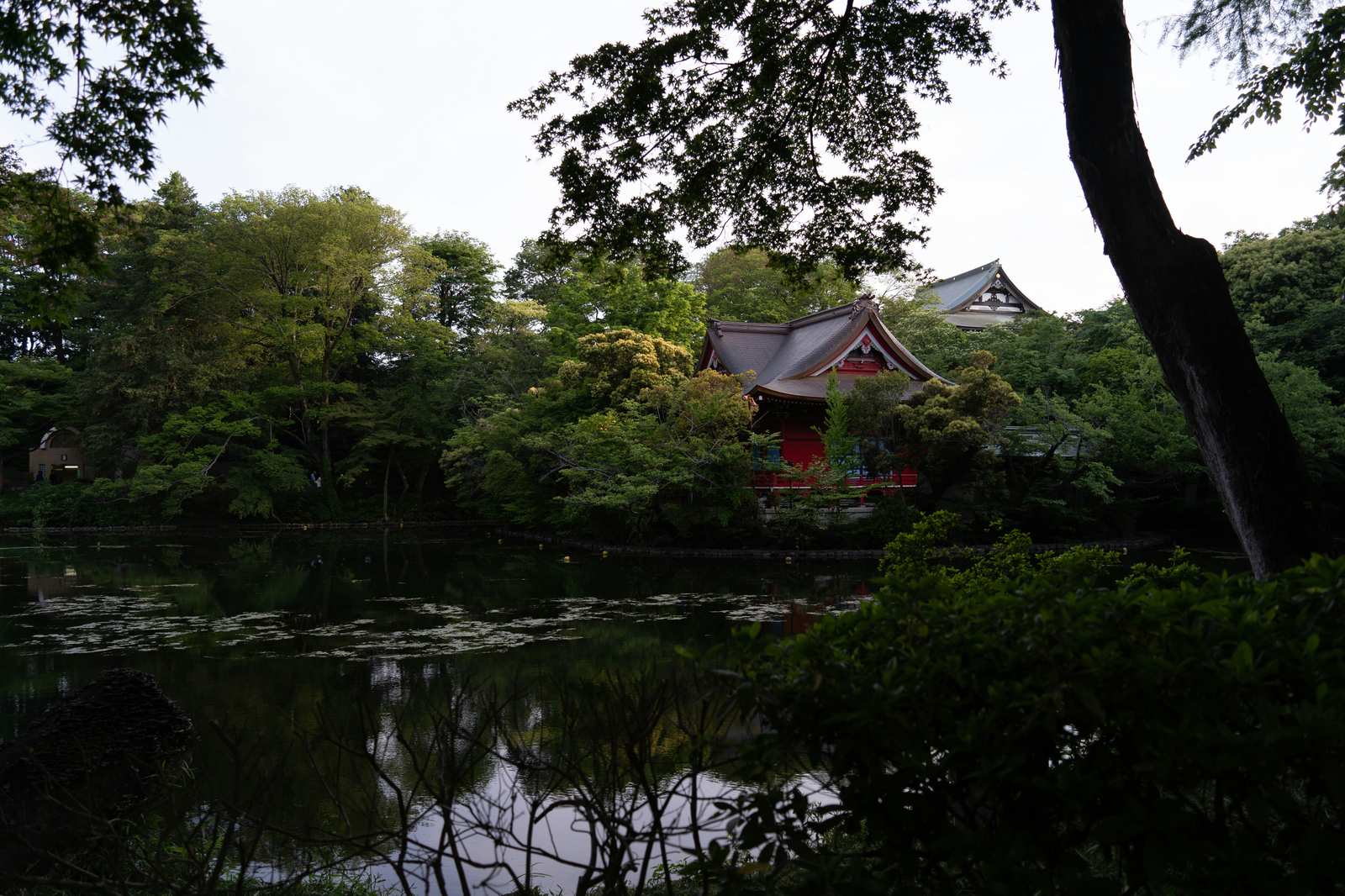
Rain bonus: Inokashira Park, adjacent to the museum, becomes extraordinary in light rain. Reflections in the pond, droplets on the moss, low light filtering through the trees. If the weather cooperates (heavy mist, not a downpour), it's a 20-minute walk that delivers the most Ghibli-adjacent scenery in the Tokyo area. If it's pouring, stay on the shuttle and head to Kichijoji's covered shotengai arcade instead.
Miss the 10th-of-the-month ticket drop? Ghibli Park in Aichi Prefecture is now a plausible plan B (a ~2-hour Shinkansen ride), or you can pivot to a slower day in Kichijoji — the neighborhood's cat cafés, Yodobashi electronics, and curated bookshops all sit under cover.
Missed the 10th-of-the-month drop? Do not reach for a packaged tour first. The official ticket agent states that tickets sell right up to the designated date and time unless they sell out — so unsold dates stay purchasable until close to the day. Switch to a weekday, try the 10:00 opening slot or the 16:00 final slot, and look again; that beats paying a premium. A guided tour bundling admission only makes sense when the date is fixed and its allocation is genuinely gone — the mark-up and the refund terms are set out in the ticket guide's plan-B section.
4. Sunshine Aquarium (Ikebukuro)
Rain rating: ⭐⭐⭐⭐⭐ · Ticket: ¥2,600–¥3,200 · Time needed: 2 hours · Station: Higashi-Ikebukuro (Yurakucho Line), underground passageway direct
One pricing note first: the official page quotes adults (high-school age and up) at 2,600–3,200 yen and states outright that the fare depends on your date of entry. It is a daily rate calendar, not a weekday/weekend split, so don't assume a Tuesday is cheaper. Elementary and junior-high children pay ¥1,300, and ages 4 and up ¥800.
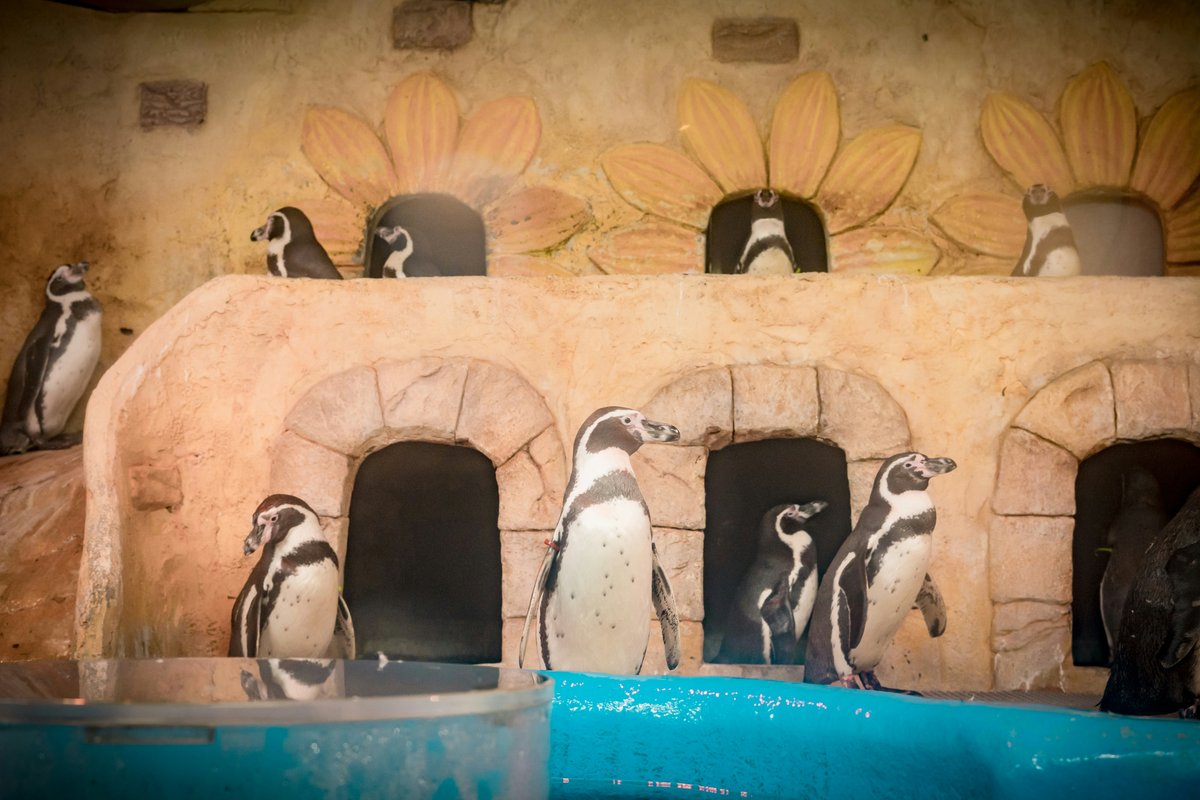
Most aquariums are either on the coast or in a low-rise complex near one. Sunshine Aquarium sits on the 40th floor of a high-rise in the middle of Ikebukuro — penguins swim in a suspended water tube against a backdrop of Tokyo's skyline. On sunny days, the view competes with the animals; on rainy days, the aquarium wins by default and the exhibits get your full attention.
Access is the other reason it makes the list. From Ikebukuro Station, an underground passageway connects directly into Sunshine City, and an elevator delivers you to the 40th floor. That's a dry ten-minute walk with zero umbrella time, which in tsuyu is genuinely valuable.
If you're staying closer to Oshiage and already plan to do Skytree, Sumida Aquarium at the base of Skytree is a fair substitute — smaller, a little less varied, but the jellyfish room is stunning and the walkway doubles as a covered commute to Oshiage Station.
Aquarium + Sunshine 60 Observation Deck Combo → Combined ticket beats buying each separately
5. Sanrio Puroland (Tama Center)
Rain rating: ⭐⭐⭐⭐⭐ · Ticket: ¥3,900–6,900 (1-Day Passport, adults 18–64) · Time needed: 5-6 hours · Station: Keio Tama Center, 5-min covered walk
Get the pricing right before you budget, because Puroland does not run a simple weekday/weekend split. The official rate calendar sorts every single date into ten tiers, D through X, and the adult 1-Day Passport swings ¥3,000 between the cheapest and the dearest of them. If money matters, open the calendar and pick a low-tier date rather than assuming the "from ¥3,900" headline applies to your day. The age bands differ from most parks too: an adult is 18–64, while ages 3–17 (high schoolers included) and anyone 65+ share the ¥2,800–5,800 band.
Sanrio Puroland is the only fully indoor theme park in greater Tokyo. Every ride, parade, and character meet-and-greet happens under one roof, which means a typhoon outside has zero impact on your day. The downside — it's 38 minutes by Keio Line from Shinjuku, further from central Tokyo than most tourists want to commit to. The upside — rainy-day tourists correctly conclude it's the safest bet, so weekend rain days are busy but parking-lot-full (manageable).
Audience calibration: families with kids under 10, groups of friends chasing Hello Kitty photo ops, and couples on a "something different" day all fit naturally. Solo male travelers can enjoy it but should be ready for the color palette — everything is pink, rainbow, or pastel.
Compared to a Tokyo Disneyland or DisneySea 1-Day Passport (¥8,900–12,400, also date-priced), Puroland at ¥3,900–6,900 is a fraction of the cost for a similarly full day. If your budget is tight and the forecast is bad, it's the smart swap.
Sanrio Puroland e-ticket → Buying at the gate locks you into the top tier — pre-booking saves ¥200+
6. LaQua at Tokyo Dome City (Suidobashi)
Rain rating: ⭐⭐⭐⭐⭐ · Ticket: ¥3,500 base, extras for late-night and rock spa · Time needed: 4-6 hours · Station: Suidobashi (JR Chuo) or Korakuen (Marunouchi/Namboku), 3-min covered walk
On day three of a rainstorm, the only correct move is an onsen. You don't want to burn half a day traveling to Hakone. LaQua is the answer: Tokyo's largest in-city onsen complex, drawn from a natural hot spring 1,700 meters below street level, attached to an amusement park and a shopping mall. One roof, one admission band, and a full day of options.
The loop most people settle into: a morning bath (outdoor baths are covered but open-air, so they're actually great in the rain), lunch in the food hall upstairs, a 90-minute stint in the 6th-floor rock spa (heated stone rooms, temperature-graded from cool to scorching), a second bath, then dinner. The amusement park and shopping arcade handle any hour you don't want to spend wet.
Operational notes:
- Towels, yukata, and toiletries are included — you can arrive with just a change of clothes.
- Tattoos are strictly not permitted in any bath area. Even small cover-up stickers are not accepted. Check if you have visible ink before booking.
- Stay past 1:00 AM and you pay a ¥2,530 late-night surcharge, but you can sleep in the women-only or co-ed rest lounges — a viable overnight-accommodation hack.
Pair with our Japan trip prep checklist for what to pack so you don't duplicate the toiletries LaQua already provides.
LaQua Tokyo Dome Spa — Instant Use → E-ticket activates on arrival — swap your plans mid-downpour
7. Tokyo National Museum (Ueno)
Rain rating: ⭐⭐⭐⭐ · Ticket: ¥1,000 · Time needed: 3-4 hours · Station: JR Ueno or Keisei Ueno, 10-min walk via park
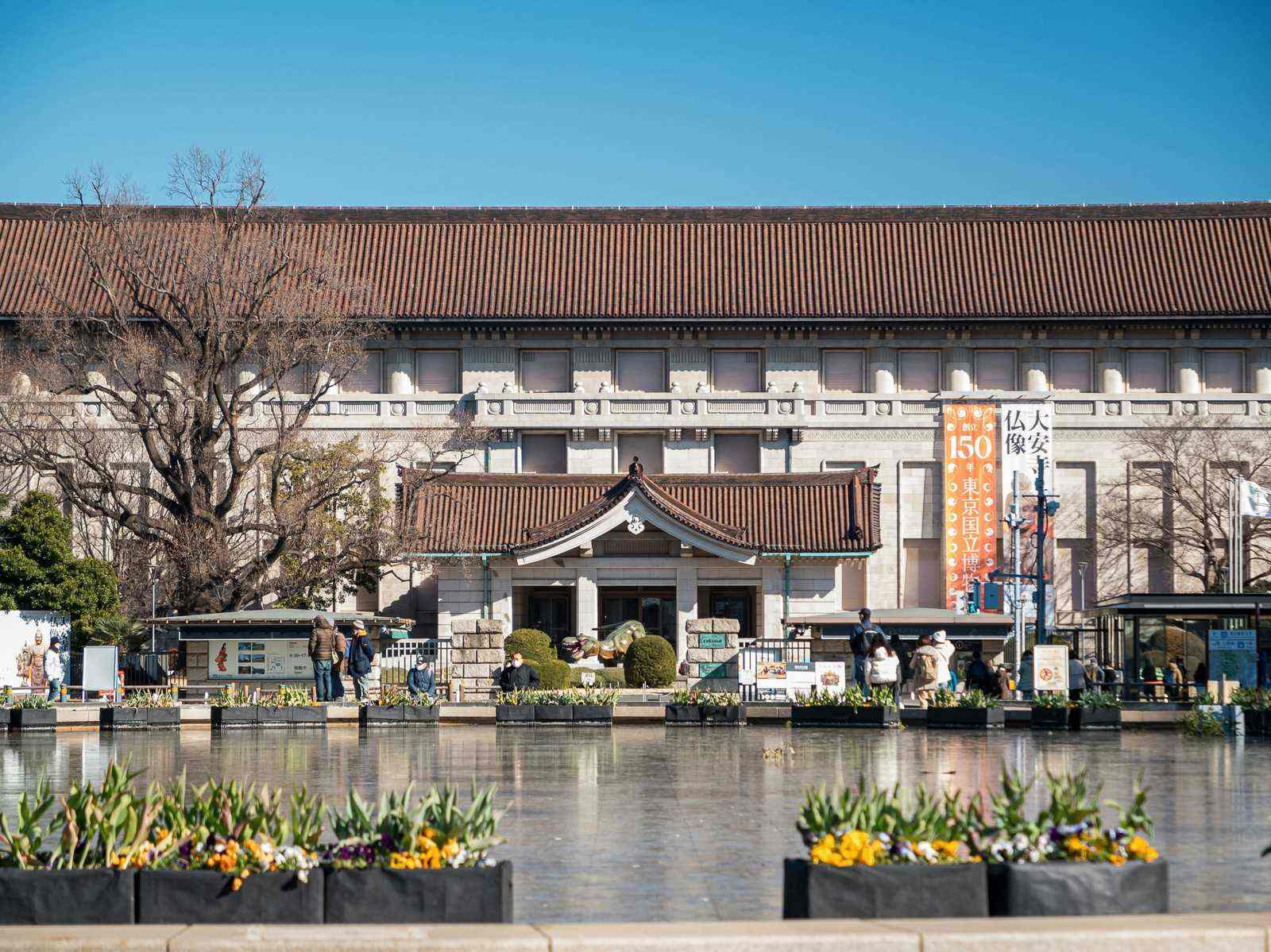
Tokyo National Museum holds roughly 120,000 objects across six buildings — more than you can reasonably see in a day. The standard complaint on sunny weekends is that the National Treasures gallery is crowded and the swords and ukiyo-e prints have queues. Rainy weekdays flip the experience: you can stand in front of a 13th-century katana for five uninterrupted minutes.
The rain proofing isn't perfect — the museum sits in Ueno Park, so walks between the main building, the Horyu-ji Treasures building, and the Toyokan require a short dash across open courtyards. A compact umbrella handles it. What the museum buys you in exchange is a whole afternoon's worth of content indoors, and if the rain really won't stop, Ueno Park is a cluster of five major museums (National Science Museum, Tokyo Metropolitan Art Museum, Ueno Royal Museum, Shitamachi Museum) within a seven-minute covered-or-semicovered circuit.
Best for solo travelers, couples with a taste for craft history, and anyone needing a slower, quieter day. Families welcome — pair with our Tokyo family guide for a kid-friendly Ueno Park plan that includes the science museum and the zoo's indoor pavilions.
8. Miraikan — National Museum of Emerging Science (Odaiba)
🚨 Read this before you plan anything below: Miraikan is closed for refurbishment from October 1, 2026 to April 22, 2027 — roughly six months. The official admission page states it in as many words: "Miraikan will be closed for refurbishment for approximately six months, from October 1, 2026 to April 22, 2027." Turning up in Odaiba during that window means a locked door, and the prices and logistics below only apply again from April 23, 2027. Substitutes for the closed window: for the same hands-on, kid-proof experience go to teamLab Planets in Toyosu, on the same Yurikamome line; for the same low-price, long-dwell museum value go to the Tokyo National Museum in Ueno; and if you just want to be dry in Odaiba, DiverCity Tokyo Plaza and Aqua City are unaffected.
Rain rating: ⭐⭐⭐⭐ · Ticket: ¥630 adult, ¥210 under-18 · Time needed: 3 hours · Station: Yurikamome Line (Telecom Center or Tokyo International Cruise Terminal), covered walkway
Miraikan is the budget answer to teamLab. At ¥630 — one-sixth the price of Planets — you get three floors of hands-on science: an ASIMO-style humanoid demonstration, the six-meter Geo-Cosmos globe suspended in a six-story atrium showing real-time planetary data, and rotating exhibitions on AI, robotics, and space. The science communication is English-friendly in a way Japanese museums often aren't.
Rain logistics are solid. The Yurikamome elevated line has covered platforms, and from Telecom Center Station a roofed walkway leads directly to Miraikan's doors. Odaiba has enough indoor density around it — DiverCity Tokyo Plaza, Aqua City, and Venus Fort's successor mall — that you can easily chain a full day from Miraikan into dinner without getting wet.
Family ROI is excellent. Under-18s are ¥210, and Saturdays are free for under-18s. For a parent with two kids, you're looking at ¥1,050 entry for a three-hour visit. Even the cafeteria is themed.

9. Pokémon Center Mega Tokyo (Ikebukuro)
Rain rating: ⭐⭐⭐⭐⭐ · Entry: free · Time needed: 1-2 hours · Station: Higashi-Ikebukuro or JR Ikebukuro, underground passageway direct
If you're already inside Sunshine City for the aquarium, Pokémon Center Mega Tokyo is two floors down and quite literally requires no weather exposure. It's one of the two biggest Pokémon Centers in Japan, with a life-sized Mewtwo statue at the entrance, a café serving themed desserts, an exclusive TCG battle area, and merchandise you won't find at smaller stores.
Treat it as a time-killing anchor, not a destination. Thirty minutes if you're not a fan; two hours if you are. It works best as a stop between Sunshine Aquarium and whichever rainy-day dinner plan you land on. Tokyo-exclusive merchandise is sold at four locations only — here, Shibuya Parco, Harajuku, and Haneda Airport — so if you're hunting specific items, this is a good first pick.
The same building (Sunshine City) contains Namja Town (an indoor themed amusement park famous for its gyoza stadium and haunted attractions), J-World Tokyo, and SkyCircus observatory. A rainy day inside Sunshine City can plausibly fill six hours.
10. Tokyo Station Ichibangai + Daimaru Depachika
Rain rating: ⭐⭐⭐⭐⭐ · Entry: free · Time needed: 2-3 hours · Station: Tokyo Station (never surface)
Tokyo Station isn't a destination — it's a survival kit. Three parallel underground arcades fill the station complex:
- Tokyo Station Ichibangai: Ramen Street (eight regional ramen flagships), Character Street (Pokémon, Miffy, Ghibli, Sazae-san flagship stores), and Nippon Omiyage Zone (prefectural souvenir shops).
- Daimaru B1 Depachika: one of the top-ranked basement food halls in Tokyo — Mamegen bean snacks, Ginza Wakamatsu seasonal sweets, high-grade depachika bento.
- GRANSTA Tokyo: 300+ shops aimed at station-bound travelers, including dozens of bento counters and some of the best ekiben (train bento) in the country.
What locals use Tokyo Station for on rainy afternoons is the underground network beyond it: from here you can walk subterranean to Nihombashi Takashimaya, Marunouchi OAZO, and Marunouchi Brick Square. That's roughly two kilometers of indoor retail and food, connected without surfacing, useable as a complete rainy-afternoon plan.
Best time slot: late afternoon, 15:00-18:00, when the queues at ramen shops thin out and you can browse depachika ahead of the 19:00 closing-time markdowns (many items drop 30-50%).
Which spot is right for you? The comparison table
| Spot | Area | Ticket | Time | Rain rating | Best for |
|---|---|---|---|---|---|
| teamLab Planets | Toyosu | ¥3,600–4,800 | 2.5h | ⭐⭐⭐⭐⭐ | Couples, art lovers, photographers |
| Tokyo Skytree | Oshiage | ¥3,000+ | 2-3h | ⭐⭐⭐⭐ | First-timers, families |
| Ghibli Museum | Mitaka | ¥1,000 | 2.5h | ⭐⭐⭐⭐ | Ghibli fans (pre-booked) |
| Sunshine Aquarium | Ikebukuro | ¥2,600–¥3,200 | 2h | ⭐⭐⭐⭐⭐ | Families, aquarium lovers |
| Sanrio Puroland | Tama Center | ¥3,900–6,900 | 5-6h | ⭐⭐⭐⭐⭐ | Kitty fans, girls' trips |
| LaQua Spa | Suidobashi | ¥3,500 | 4-6h | ⭐⭐⭐⭐⭐ | Unwind days, jet-lag recovery |
| Tokyo National Museum | Ueno | ¥1,000 | 3-4h | ⭐⭐⭐⭐ | Solo travelers, history fans |
| Miraikan 🚨 closed Oct 1, 2026 – Apr 22, 2027 | Odaiba | ¥630 | 3h | ⭐⭐⭐⭐ | Families, budget travelers (swap in teamLab Planets while shut) |
| Pokémon Center | Ikebukuro | Free | 1-2h | ⭐⭐⭐⭐⭐ | Fans, gift hunters |
| Tokyo Station arcade | Tokyo Station | Free | 2-3h | ⭐⭐⭐⭐⭐ | Foodies, last-day shoppers |
Fast decision tool: Kids in tow → Sunshine Aquarium + Pokémon Center (same building). Couples after photos → teamLab + Skytree. Solo quiet day → Tokyo National Museum + Ghibli. Total reset → LaQua + Tokyo Dome City mall. Budget day → Tokyo National Museum + Tokyo Station arcade (the old Miraikan version of this pairing does not work between October 1, 2026 and April 22, 2027).
Three 1-day rainy routes that actually flow
Route A — "Immersive Tokyo" (couples, photographers)
Total spend: ¥7,400 + ¥1,000 subway pass = ¥8,400 / person
- 10:00 — teamLab Planets (Toyosu), ¥3,600–4,800
- 13:00 — Lunch at Toyosu Market sushi counters (budget ¥4,000)
- 15:00 — Yurikamome to Shimbashi, Ginza Line to Ueno → Tokyo National Museum (¥1,000)
- 18:30 — Dinner in Ueno's Ameyoko arcade or Akihabara detour if trains still run dry
Route B — "All indoor family day" (kids + parents)
Total spend: from ¥6,100 + ¥1,000 = from ¥7,100 / adult (both the aquarium and LaQua are date-priced, so this is the floor on a cheap date, not a fixed figure)
- 10:00 — Sunshine Aquarium (Ikebukuro), ¥2,600–¥3,200
- 12:30 — Lunch in Sunshine City food hall
- 13:30 — Pokémon Center + Namja Town in the same complex
- 15:30 — Marunouchi Line to Korakuen → LaQua (from ¥3,500, calendar-priced, adults only). This slot used to read "Miraikan or LaQua", but Miraikan is in Odaiba rather than Korakuen and is closed October 1, 2026 to April 22, 2027 — give Odaiba its own day instead.
- 18:30 — Dinner near Suidobashi or head back to your hotel
Route C — "First-time Tokyo speed run"
Total spend: from ¥4,000 (Skytree + the ¥1,000 subway pass); add Shibuya Sky and it becomes ¥6,700–7,400 — both observatories float by date and time slot, so treat these as floors, not quotes
- 10:00 — Tokyo Skytree, 350m+450m combo ¥3,000+ (Oshiage) — dynamic by date; the 4F counter adds about ¥500 per ticket, so book online
- 12:00 — Solamachi shopping arcade + lunch
- 14:30 — Hanzomon Line to Shibuya → Shibuya Scramble Square indoor floors. If the rain has stopped and you want the open-air rooftop, Shibuya Sky is ¥2,700 online for entry before 15:00 and ¥3,400 from 15:00 — arriving at 14:30 you will almost certainly land in the more expensive slot, so book deliberately rather than assuming the lower price
- 17:00 — Tokyo Station underground circuit for dinner and souvenirs
All three break even on the 24-hour Tokyo Subway pass if you hit four or more subway rides. If you're only doing two stops, buy single tickets. (Pass-purchase link is at the top of this guide.)
Rainy-day survival tips: umbrellas, shoes, Wi-Fi
Umbrellas: buy disposable, plan to ditch them
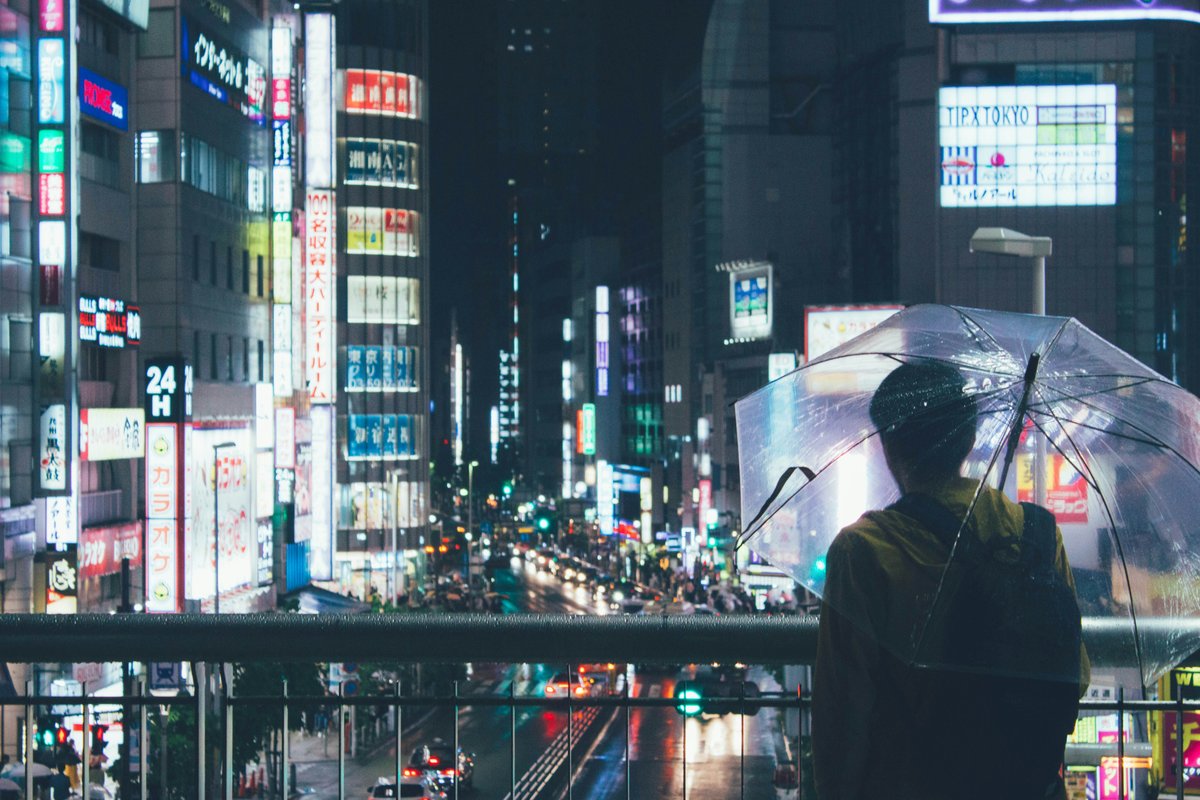
A clear plastic umbrella (biniru kasa) from any 7-Eleven, Lawson, or FamilyMart runs ¥500-700. Buy one on arrival and throw it out when you leave Japan. Japanese long umbrellas are a pain to carry on trains and they drip; the plastic ones stow easily in station umbrella stands. Folding umbrellas work if you've brought one, but most travelers are better off with a disposable.
Umbrella lockers and bags are real
Most museums, department stores, and higher-end restaurants will ask you to either leave your umbrella in a locked stand at the entrance (with a numbered key) or slip it into a plastic sleeve from a dispenser. This matters — walking in with a dripping umbrella is a soft faux pas and staff will politely redirect you.
Shoes: don't wear canvas or suede
Tokyo walks between station and venue are short (most under five minutes), but repeated small exposures add up. Canvas sneakers and suede boots take 8-12 hours to dry, which kills your evening plans. Pack waterproof walking shoes or a synthetic-leather runner. A spare pair of socks in your day bag is cheap insurance.
Mobile data: stable is non-negotiable
On rainy days you will constantly check Google Maps for "the covered route to X." Japanese subway stations have Wi-Fi, but it drops between stations. Pre-download an offline Tokyo map, and carry a data eSIM with full coverage — the five leading Japan eSIM brands compared so you can pick one that holds up in the worst-case underground scenarios.
Rain seasons ranked by difficulty
- Tsuyu (mid-June to mid-July): 80%+ humidity, 3-4 wet days per week. Clothes don't dry. Pack double the undergarments you normally would.
- Typhoons (August to October): Occasional full-day storms. Subway lines may partially suspend. If a typhoon warning is posted, treat that day as a hotel-and-room-service day.
- Winter cold rain (December to February): Rare but miserable — 5-8°C combined with 90% humidity feels colder than snow. When it happens, the indoor spots here become essential rather than optional.
FAQ
- Q1: Is Tokyo worth visiting in the rain?
- Yes. The indoor-attraction density rivals any major world city, and several experiences (Skytree above the cloud deck, teamLab Planets' reflective water rooms, Ueno's museums on a weekday) are measurably better in overcast weather. The only thing rain kills is an outdoor-heavy day plan.
- Q2: When is Tokyo's rainy season?
- Tsuyu runs mid-June through mid-July, about 5-6 weeks. Expect 3-4 rainy days per week, though full-day downpours are uncommon. Secondary wet windows hit in September (typhoon season) and scattered days through December-February.
- Q3: teamLab Planets or teamLab Borderless — which one first?
- Planets for your first visit (immersive, body-forward, fewer decisions required). Borderless for a second trip when you want a slower, wandering experience. Note the 2024 relocation of Borderless to Azabudai Hills.
- Q4: What are the best rainy-day spots for families with kids?
- Top five: Sanrio Puroland (fully indoor theme park), Sunshine Aquarium (stroller-friendly, underground access), teamLab Planets in Toyosu (fully indoor, the biggest hit with kids), LaQua at Tokyo Dome City (onsen plus amusement park under one roof), and Tokyo National Museum with the Ueno Park cluster as backup. Leave Miraikan off the list for now — the official notice puts it closed for refurbishment from October 1, 2026 to April 22, 2027; teamLab Planets is the closest substitute for the same hands-on appeal.
- Q5: Which transit pass works best in the rain?
- Tokyo Subway Ticket (24/48/72-hour versions at ¥1,000/¥1,500/¥2,000, post-2026-03-14 fare hike) is the clear winner. Foreign-passport only, sold at airports and tourist information centers. Subway stations connect directly to most indoor venues through underground passageways.
- Q6: Should I still go to Tokyo Disney or USJ in the rain?
- Heavy rain suspends outdoor rides, parades, and shows, significantly cutting into your experience. If your tickets are for a specific date and the forecast is heavy rain, swap to teamLab or Skytree. Light rain with a ¥500 poncho is fine. Check the official app for the ride-suspension list before you go in, and have an indoor Plan B ready — a full day held inside a half-outdoor park is the easiest way to waste a ticket.
- Q7: What's the best food to eat in Tokyo when it's pouring?
- Hot, slow-cooked Japanese comfort food. Oden (simmered fish cake and vegetable stew), motsu nikomi (miso-braised tripe), chanko nabe (sumo wrestlers' hotpot), and tonkotsu ramen. Look for izakaya under the JR tracks at Yurakucho, Omoide Yokocho in Shinjuku, and Ameyoko in Ueno for the right atmosphere — a counter seat, hot soup, the sound of rain on zinc roofing.
- Q8: Disposable umbrella or folding — which should I bring?
- Disposable plastic umbrellas (¥500 at any convenience store) are easier during a short trip — you don't carry a wet folded umbrella from city to city. Folding umbrellas only make sense if you're willing to dry them at each hotel. For a week-long trip, most travelers buy and discard one or two plastic umbrellas total.
- Q9: Want to leave central Tokyo on a wet day — where should I go?
- Head 30 minutes south to Yokohama. Its indoor density is unusually high — the Red Brick Warehouse, the Anpanman Museum, the Hakkeijima aquarium and a row of station-connected malls let you spend most of the day without opening an umbrella. Our Yokohama day-trip guide is the most reliable rainy-day Plan B just outside Tokyo.
What to read next
Tokyo 5-day itinerary 2026
A clear 5-day plan: Shinjuku base, two zones per day, honest budget.
Tokyo with kids: the honest family guide
Stroller routes, kid-friendly restaurants, and the attractions worth the tantrum risk.
Japan Weather by Month 2026: 4-Region Quick Table
Hokkaido to Okinawa monthly temps, rain, what to wear — one table, 30-second lookup.